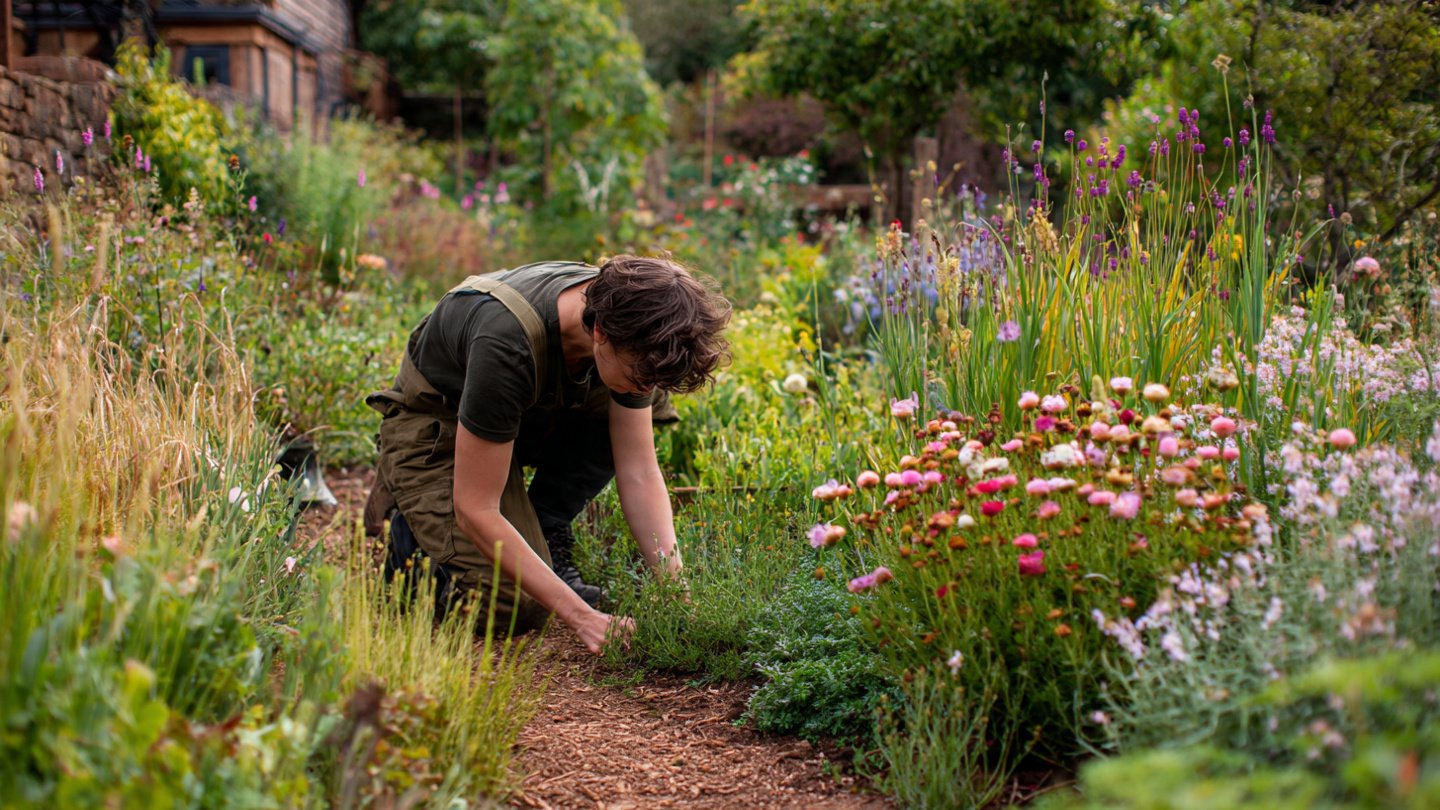
No-dig gardening is more than just a trend—it’s a practical, eco-friendly approach to growing food and ornamental plants while working in harmony with nature. As concerns about soil health, climate change, and sustainable living continue to rise, gardeners around the world are embracing no-dig gardening as a long-term solution. This method reduces labor, improves soil fertility, and supports a healthier ecosystem, all without turning over the soil. Whether you’re a beginner or an experienced gardener, no-dig gardening offers an accessible way to create a sustainable future starting today.
What Is No-Dig Gardening?
No-dig gardening, also known as no-till gardening, is a method that avoids disturbing the soil through digging or tilling. Instead of turning the earth, organic matter such as compost, mulch, and leaves is layered on top of the soil surface. Over time, worms, microbes, and natural processes break down these materials and incorporate them into the soil naturally.
This approach mimics how soil forms in nature—slowly, gently, and full of life. Forest floors, for example, are never dug, yet they support rich, fertile soil ecosystems.
Why Traditional Digging Can Harm the Soil
Digging has long been considered essential in gardening, but research and observation show that frequent soil disturbance can cause long-term damage.
- It disrupts beneficial microorganisms
- It destroys soil structure and air pockets
- It exposes soil carbon, contributing to erosion and carbon loss
- It brings dormant weed seeds to the surface
By constantly turning the soil, gardeners unintentionally weaken the very foundation plants depend on.
The Core Benefits of No-Dig Gardening
Healthier Soil Structure
Undisturbed soil develops stable aggregates that improve drainage, water retention, and root penetration. Over time, soil becomes lighter and more fertile without manual effort.
Increased Soil Life
Earthworms, fungi, bacteria, and insects thrive in no-dig beds. These organisms play a critical role in nutrient cycling and plant health.
Fewer Weeds
Because soil is not turned, buried weed seeds remain dormant. Mulch layers also block sunlight, preventing weed germination.
Reduced Labor
No digging means less physical strain. Gardening becomes more accessible for people of all ages and abilities.
Better Moisture Retention
Mulch acts as a protective blanket, reducing evaporation and keeping soil consistently moist, even during hot weather.
How No-Dig Gardening Supports Sustainability
No-dig gardening aligns perfectly with sustainable living principles.
- Reduces reliance on chemical fertilizers
- Minimizes soil erosion
- Enhances carbon storage in soil
- Encourages biodiversity
By improving soil naturally, gardeners reduce the need for external inputs and create resilient growing systems that withstand climate fluctuations.
Getting Started with No-Dig Gardening
Starting a no-dig garden is simple and requires minimal tools.
Step 1: Choose Your Site
Select a sunny area suitable for planting. No-dig beds can be created over grass, bare soil, or even compacted ground.
Step 2: Suppress Existing Weeds
Lay down cardboard or thick layers of newspaper directly over the ground. This blocks light and suppresses weeds while decomposing over time.
Step 3: Add Organic Layers
On top of the cardboard, add layers of:
- Compost
- Aged manure
- Leaf mold
- Straw or dry leaves
Aim for a total depth of 4–6 inches for new beds.
Step 4: Plant Directly
Seeds can be planted into compost-rich top layers, while seedlings can be planted by creating small holes through the mulch.
Maintaining a No-Dig Garden
Once established, no-dig gardens are easy to maintain.
Feeding the Soil
Instead of feeding plants directly, feed the soil. Add compost or organic mulch once or twice a year to replenish nutrients.
Watering
No-dig beds often require less watering due to improved moisture retention. Water deeply but less frequently.
Seasonal Care
At the end of the growing season, leave plant roots in the ground. They decompose naturally, adding organic matter and improving soil structure.
No-Dig Gardening for Small Spaces
No-dig principles work just as well in raised beds, containers, and urban gardens.
- Raised beds can be layered without digging
- Containers benefit from gentle soil handling and mulching
- Balcony and terrace gardens stay healthier with minimal disturbance
Even small-scale no-dig gardening contributes to sustainability and food security.
Common Myths About No-Dig Gardening
“The Soil Will Become Compacted”
In reality, soil organisms naturally aerate the soil when left undisturbed.
“Plants Won’t Get Enough Nutrients”
Organic matter breaks down gradually, providing a steady nutrient supply.
“It Only Works for Vegetables”
No-dig methods benefit flowers, herbs, fruit trees, and ornamental plants as well.
Long-Term Impact on the Environment
No-dig gardening goes beyond personal benefit—it contributes to environmental health on a larger scale.
- Improved soil captures and stores carbon
- Reduced runoff protects nearby water sources
- Increased biodiversity supports pollinators and wildlife
When practiced widely, no-dig gardening becomes a powerful tool in combating soil degradation and climate change.
Transitioning from Traditional Gardening
If you already have a dug garden, transitioning is easy.
- Stop digging immediately
- Add compost and mulch on top of existing soil
- Allow natural processes to rebuild soil health
Over time, you’ll notice improved soil texture, fewer weeds, and stronger plants.
Why No-Dig Gardening Is the Future
As resources become limited and environmental challenges grow, gardening methods must evolve. No-dig gardening offers a solution that is productive, sustainable, and accessible. It respects natural systems instead of fighting them, resulting in healthier gardens and a healthier planet.
This approach empowers individuals to take meaningful action—right in their own backyards—toward a more sustainable future.
Final Thoughts
Embracing no-dig gardening is a simple yet powerful step toward sustainability. By protecting soil life, conserving resources, and reducing labor, this method transforms gardening into a more natural and rewarding experience. Whether you grow food, flowers, or both, no-dig gardening allows you to work with nature instead of against it.