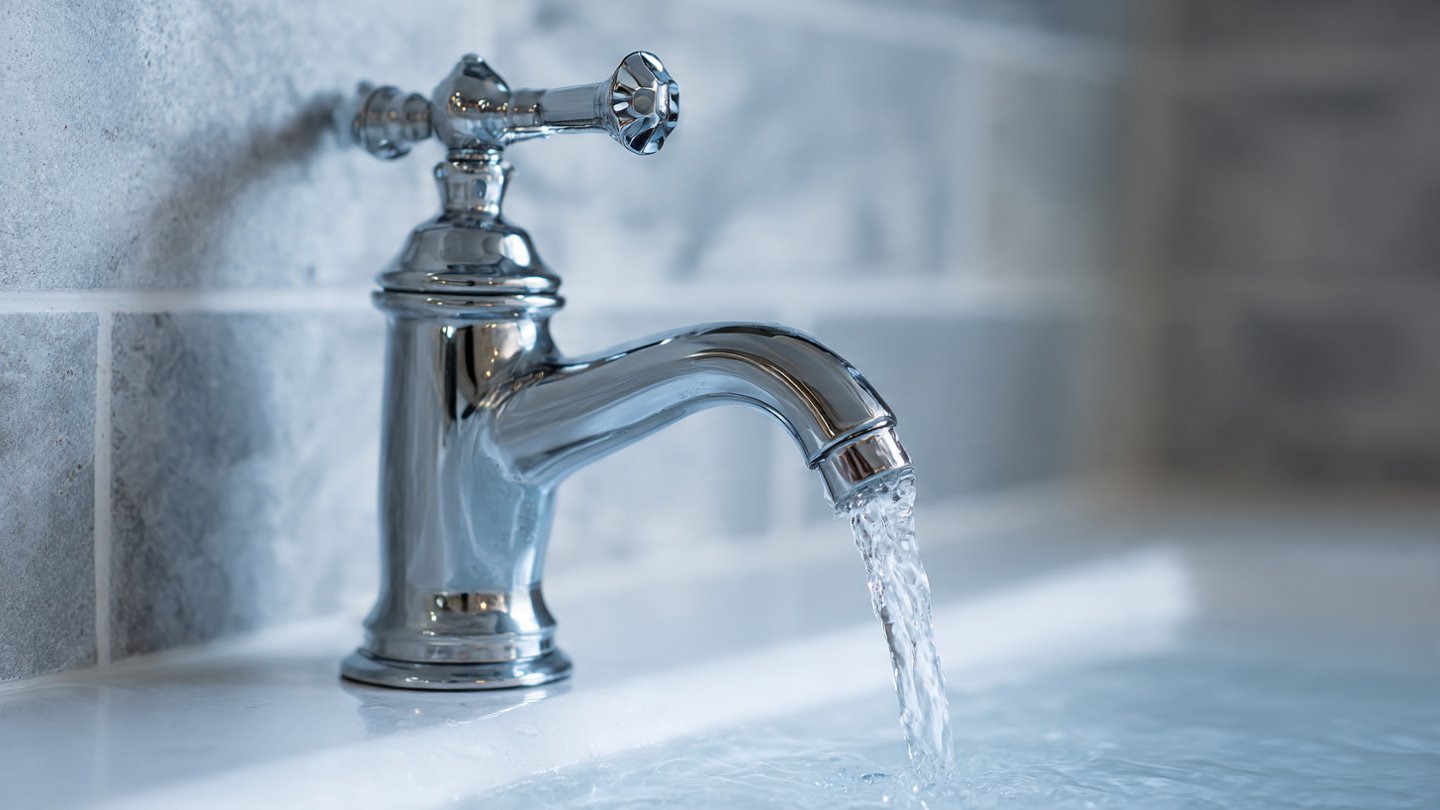
Water is one of our most valuable resources, yet in many households, a significant amount is wasted daily, especially in the bathroom. From long showers to running taps while brushing teeth, inefficient water use not only increases utility bills but also places unnecessary pressure on the environment. Rethinking how we use water in our bathrooms is a critical step toward living sustainably and conserving this precious resource for future generations.
This article explores practical strategies, technologies, and lifestyle changes that can help individuals and families make their bathrooms more water-efficient while maintaining comfort and hygiene.
Why Bathroom Water Usage Matters
Bathrooms are responsible for a large portion of domestic water consumption. Studies suggest that in an average household, 30–40% of daily water use occurs in the bathroom, mainly through:
- Showers and baths
- Toilets
- Handwashing and brushing teeth
- Laundry (if washing machines are in the bathroom area)
Inefficient habits and outdated fixtures exacerbate water wastage. Beyond the household level, excessive water use contributes to broader environmental issues such as:
- Depletion of freshwater resources
- Increased energy consumption for water heating
- Greater wastewater production and treatment demands
- Impact on local ecosystems and biodiversity
By addressing bathroom water usage, we can reduce environmental impact, save energy, and lower utility costs.
Assessing Your Current Water Usage
The first step toward sustainable water use is understanding current consumption patterns. Consider:
- How long do you spend in the shower?
- How often do taps run unnecessarily?
- Are toilets using more water than needed?
- Are there leaks in taps, pipes, or toilet cisterns?
Simple methods to monitor water use include:
- Installing water meters for bathrooms
- Noting the frequency and duration of showers and taps
- Checking for dripping taps or running toilets
Identifying problem areas helps target effective solutions.
Upgrading Fixtures for Water Efficiency
Modern bathroom fixtures can dramatically reduce water consumption without sacrificing comfort.
1. Low-Flow Showerheads
- Reduce water flow from 15–20 liters per minute to 6–9 liters
- Provide a strong, satisfying spray while saving hundreds of liters monthly
2. Dual-Flush Toilets
- Offer separate flush options for liquid and solid waste
- Can save up to 50% of toilet water usage
3. Faucet Aerators
- Mix air with water to maintain pressure while reducing flow
- Easy to install on existing taps
4. Water-Efficient Bathtubs
- Shorter, shallower baths or using a basin for soaking saves water
- Combine with low-flow taps for maximum efficiency
Investing in efficient fixtures is a long-term solution that pays off through reduced water and energy bills.
Simple Habits to Reduce Bathroom Water Waste
Behavioral changes are equally important as hardware upgrades. Adopting sustainable habits ensures daily water savings:
- Shorten Showers: Aim for 5–7 minutes instead of long showers.
- Turn Off Taps When Not in Use: While brushing teeth, shaving, or washing hands, avoid running taps continuously.
- Reuse Greywater: Collect water from showers or sinks for toilet flushing or plant irrigation.
- Check for Leaks: A dripping tap can waste up to 15 liters per day; fix leaks promptly.
- Use a Bucket Instead of Running Water: For small cleaning tasks, buckets use significantly less water than running taps.
These small adjustments, when practiced consistently, can save thousands of liters per household per year.
Rethinking Bathing Practices
Bathing is one of the largest contributors to water usage in bathrooms. Consider these sustainable approaches:
- Switch to Showers: Showers typically use less water than baths if kept short.
- Use a Shower Timer: Helps limit water consumption and encourages mindful use.
- Install a Low-Flow Handheld Shower: Focuses water directly where needed, reducing wastage.
- Collect Shower Water: Place a bucket to collect excess water during warm-up, which can later water plants.
By rethinking bathing habits, households can balance hygiene, comfort, and sustainability.
Water-Smart Toilets and Flushing Practices
Toilets are responsible for roughly 30% of a household’s indoor water use. Improvements here can make a huge difference:
- Dual-Flush Systems: Encourage using the smaller flush for liquid waste.
- Leak Detection: Place food coloring in the cistern; if it appears in the bowl without flushing, there’s a leak.
- Displacement Devices: For older toilets, adding a displacement device in the cistern reduces the amount of water used per flush.
Educating family members on water-efficient toilet use ensures lasting impact.
Greywater and Rainwater Integration
Reusing water is a powerful way to reduce demand:
- Greywater Systems: Treat and reuse wastewater from sinks, showers, or washing machines for toilet flushing or garden irrigation.
- Rainwater Harvesting: Collect rainwater in tanks and filter it for non-potable bathroom uses.
- Dual Plumbing Systems: Some households install separate pipelines for potable and recycled water, maximizing efficiency.
These approaches require initial investment but provide long-term sustainability benefits.
Energy Savings Through Water Efficiency
Reducing water use also lowers energy consumption:
- Less water means less energy required for heating showers, baths, and washing machines.
- Efficient water heaters and timers can further reduce electricity or gas use.
- Smart monitoring systems can track energy and water usage, promoting awareness.
Combining water-saving measures with energy-efficient appliances amplifies environmental and financial benefits.
Educating Household Members
Sustainability depends on consistent habits. Engage family members through:
- Clear labeling of taps and fixtures for efficient use
- Explaining the environmental impact of excessive water use
- Setting shared goals, like limiting shower times or tracking monthly usage
Creating a culture of awareness encourages everyone to participate actively in water conservation.
Common Mistakes to Avoid
- Ignoring leaks, which waste substantial water over time
- Overfilling bathtubs or using high-flow showerheads unnecessarily
- Relying solely on hardware solutions without changing behavior
- Assuming small drips are insignificant
Avoiding these mistakes ensures maximum water savings.
Final Thoughts
Rethinking water usage in our bathrooms is not just an individual responsibility—it is a step toward global sustainability. By combining efficient fixtures, mindful habits, and innovative solutions like greywater reuse, households can significantly reduce water consumption without compromising comfort or hygiene.
Every drop saved contributes to preserving freshwater resources, lowering energy use, and reducing utility bills. By implementing these strategies, families can make their bathrooms both eco-friendly and functional, while setting an example for sustainable living.
Sustainable bathroom practices may require initial effort and investment, but the rewards—in environmental impact, financial savings, and personal satisfaction—are invaluable. Small changes today lead to a big difference tomorrow.