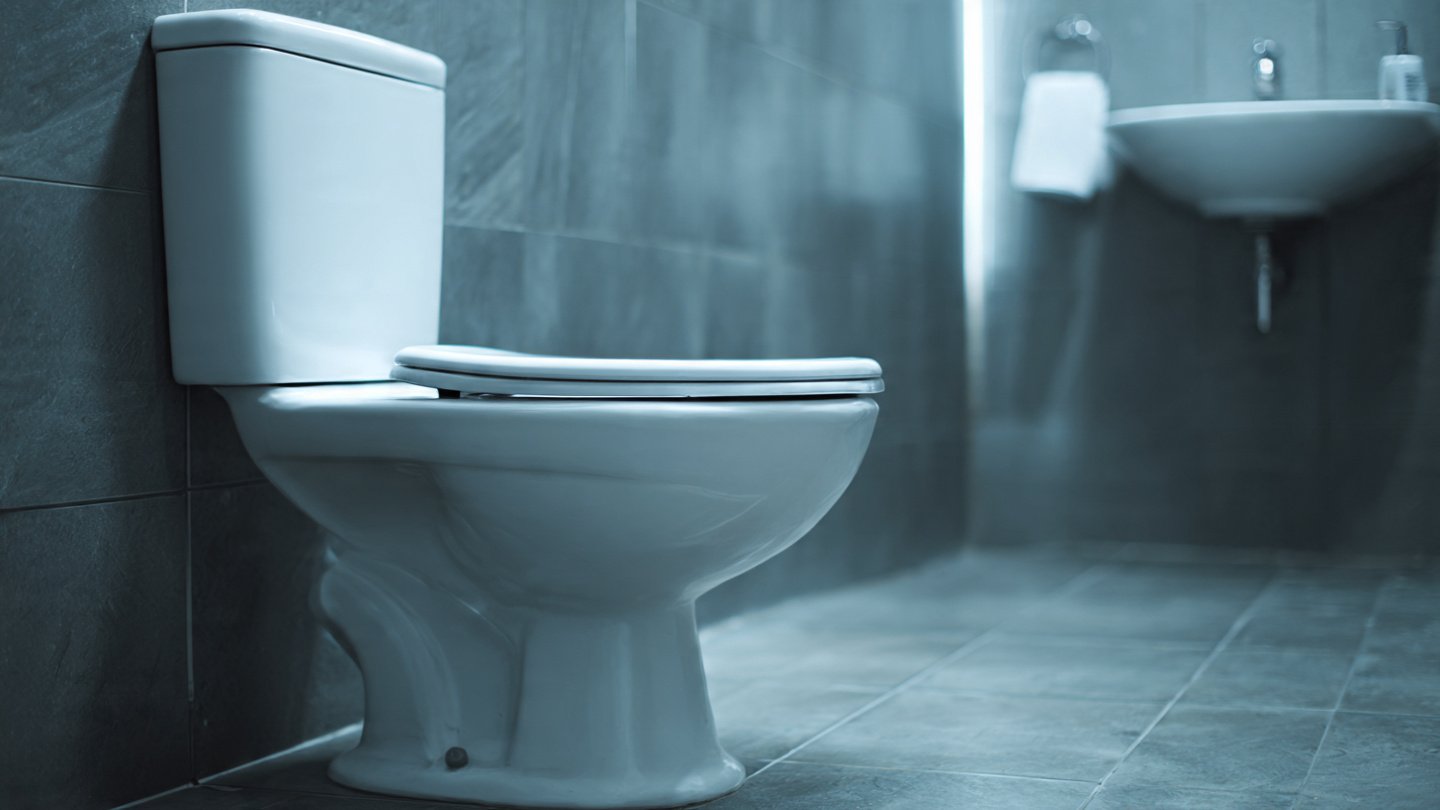
Bathrooms are essential spaces in every home, but they can also be notorious for unpleasant odors. Most people rely on ventilation fans or opening windows to address this issue, yet some bathrooms seem to trap odors quietly without any noticeable air movement. Understanding how bathrooms trap odor silently involves exploring the principles of airflow, moisture, plumbing design, and the role of materials in odor retention. By understanding these mechanisms, homeowners can take steps to improve bathroom air quality without relying solely on noisy exhaust systems.
This comprehensive guide explores how bathrooms trap odors, why these odors persist, and practical ways to minimize them while keeping the space quiet and comfortable.
How Odors Form in Bathrooms
Odors in bathrooms originate primarily from human waste, moisture, and the growth of bacteria or mold. Urine, feces, and other organic matter release volatile compounds that are highly odorous. Moisture from showers, baths, or sinks provides an ideal environment for bacteria and mold, which can amplify unpleasant smells over time.
The accumulation of these odors is often unnoticed at first but becomes evident when the space is confined or poorly ventilated. Understanding where and how odors form is the first step in controlling them effectively.
The Role of Plumbing in Odor Control
Bathrooms are equipped with plumbing traps—U-shaped bends in pipes beneath sinks, toilets, and floor drains. These traps hold water, creating a barrier that prevents sewer gases from rising into the room. While these traps are effective, several issues can lead to odors escaping quietly:
- Dry Traps – If a bathroom is unused for several days, the water in the traps can evaporate, allowing sewer gases to escape without any noise.
- Leaks or Loose Seals – Even small gaps in the plumbing seals can allow gases to escape, often imperceptibly.
- Vent Pipe Issues – Plumbing vent pipes equalize pressure in drainage systems. If blocked or improperly installed, they can cause slow odor seepage into bathrooms without triggering air movement.
Proper maintenance of plumbing traps and vent pipes is crucial for preventing silent odor buildup.
How Airflow—or the Lack of It—Traps Odor
Bathrooms that feel “stuffy” often have minimal airflow. Air movement is critical for diluting and removing odorous molecules. In spaces where airflow is restricted, odors linger and accumulate quietly. Several factors contribute to low airflow:
- Closed doors and windows – While necessary for privacy, closed barriers prevent fresh air from entering and stale air from leaving.
- Poorly designed ventilation – Many bathrooms have small or inefficient exhaust fans that move air slowly, allowing odors to persist without being noticeable as air movement.
- Room geometry – Compact spaces or layouts with hidden corners can trap pockets of air where odors concentrate.
Even subtle airflow disruptions can allow odors to persist silently, giving the impression that the bathroom is fresh when it is not.
The Role of Porous Surfaces in Odor Retention
Bathrooms contain numerous porous materials—tiles, grout, wooden cabinets, and fabric items like towels or bath mats. These surfaces can absorb and release odor-causing compounds over time.
- Grout and caulking – Small cracks and crevices in grout lines can trap moisture and bacteria, quietly releasing odors into the room.
- Textiles – Towels, rugs, and shower curtains can absorb odors from steam, body oils, and cleaning products, slowly releasing them even after washing.
- Wood and composite materials – Bathroom cabinets or shelves exposed to humidity may trap and emit musty smells if not properly sealed or ventilated.
Even when ventilation is operating, these materials can act as “odor reservoirs,” silently contributing to the overall smell.
Microbial Growth and Invisible Odor Sources
Odors in bathrooms are often intensified by microbial growth. Mold and mildew thrive in damp, poorly ventilated spaces and produce volatile organic compounds (VOCs) responsible for musty or sour odors. These odors can be present without obvious visual cues, such as visible mold, making the problem seem “silent.”
Bacteria on sinks, drains, and toilet surfaces can also release odor-causing gases. Regular cleaning and moisture control reduce microbial activity, helping prevent odors from lingering quietly.
Temperature and Humidity Effects
High humidity and temperature in bathrooms enhance the evaporation of odor compounds into the air, but low airflow can keep these odors trapped. Conversely, cooler temperatures or very dry conditions can suppress odor perception, allowing smells to accumulate without immediate detection.
Maintaining moderate humidity levels, ideally around 50–60%, and ensuring some degree of air circulation helps prevent odors from becoming concentrated.
Quiet Ventilation Solutions
Many homeowners hesitate to run exhaust fans constantly due to noise. Fortunately, there are ways to manage bathroom odors silently:
- Continuous low-speed ventilation – Modern fans operate at low decibels while providing constant airflow to remove odors quietly.
- Heat recovery ventilators (HRVs) – These systems provide fresh air and remove stale air efficiently, often without noticeable noise.
- Passive ventilation – Strategically placed vents, trickle vents, or small openings near the ceiling allow natural airflow without fans.
- Dehumidifiers or moisture absorbers – Reducing humidity indirectly reduces microbial growth and the persistence of odors.
Implementing one or a combination of these solutions can maintain a fresh bathroom environment without disruptive sounds.
Daily Habits to Minimize Silent Odors
Preventing odor buildup is easier than eliminating it after it occurs. Some practical daily habits include:
- Keep drains and traps full – Pour water into unused sinks, tubs, and floor drains to maintain plumbing barriers.
- Clean regularly – Use disinfectants on sinks, toilets, and shower areas to reduce bacteria and mold.
- Use absorbent materials wisely – Wash towels, mats, and shower curtains frequently.
- Ensure airflow – Open doors or windows when possible, even briefly, to allow fresh air exchange.
- Monitor hidden areas – Check behind cabinets, under sinks, and around toilet bases for moisture accumulation.
These simple steps reduce odor accumulation without requiring noisy fans or constant intervention.
Signs Your Bathroom Needs Attention
Even silent odors can indicate underlying problems. Look for these warning signs:
- Persistent musty or sour smell
- Condensation or mold on walls and ceilings
- Foul odor around drains despite cleaning
- Unexplained humidity or dampness
Addressing these issues promptly prevents bacteria or mold from taking hold and reduces the need for aggressive or noisy ventilation solutions.
Conclusion
Bathrooms can trap odors silently due to low airflow, microbial growth, porous surfaces, and plumbing issues. While these odors may not always be noticeable, they can affect indoor air quality and comfort. Understanding how odors accumulate allows homeowners to implement effective, quiet solutions—such as proper ventilation, moisture control, and regular cleaning—without relying on loud fans or chemical sprays.
By combining design awareness, simple daily habits, and modern ventilation strategies, you can maintain a bathroom that feels fresh, hygienic, and odor-free, all while keeping noise to a minimum. This knowledge empowers homeowners to enjoy their spaces comfortably and confidently, even in the most frequently used bathrooms.