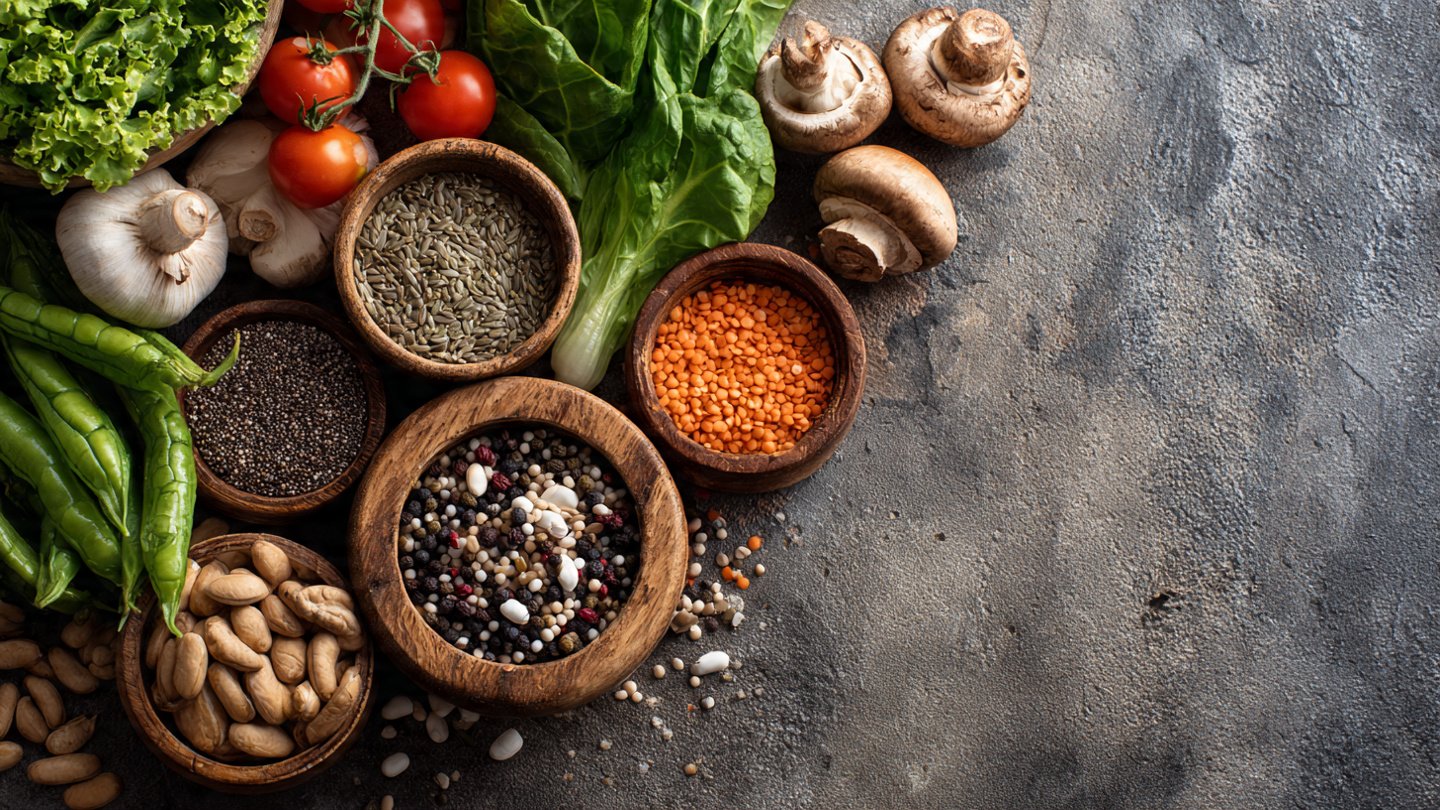
Iron is a vital mineral that plays a critical role in many of the body’s functions, including energy production, oxygen transport, and immune system support. For individuals following plant-based diets, understanding how to meet daily iron needs is especially important because plant sources of iron (non-heme iron) are absorbed differently than the iron found in animal products (heme iron).
This comprehensive guide explores the importance of iron, its functions in the body, plant-based sources, absorption strategies, and tips for maintaining optimal iron levels to support overall health.
Why Iron Is Essential for Health
Iron is an essential nutrient, meaning the body cannot produce it and must obtain it from food. It has several crucial roles:
- Oxygen Transport
Iron is a key component of hemoglobin, the protein in red blood cells that carries oxygen from the lungs to the rest of the body. Without sufficient iron, tissues and organs may receive inadequate oxygen, leading to fatigue and reduced physical performance. - Energy Production
Iron is involved in cellular energy metabolism. It helps enzymes convert nutrients from food into energy, which is vital for daily activity, work, and exercise. - Immune Function
Iron supports a healthy immune system by enabling white blood cells to fight infections effectively. - Cognitive Function
Adequate iron levels are necessary for brain health, including concentration, memory, and learning. - Red Blood Cell Formation
Iron is essential for producing hemoglobin and myoglobin, proteins that support oxygen transport and muscle function.
Plant-Based Iron: Understanding the Differences
Iron from plant sources, known as non-heme iron, differs from heme iron found in meat, poultry, and fish. Non-heme iron is less efficiently absorbed by the body, which is why plant-based eaters must pay attention to intake and absorption strategies.
Key differences include:
- Non-heme iron (plants) – Found in legumes, tofu, spinach, pumpkin seeds, quinoa, lentils, and fortified cereals. Absorption can be influenced by other dietary factors.
- Heme iron (animal sources) – Found in red meat, poultry, and fish. More readily absorbed regardless of other foods consumed.
Despite these differences, well-planned plant-based diets can provide enough iron for all age groups and activity levels.
Top Plant-Based Sources of Iron
Incorporating a variety of iron-rich plant foods can help meet daily requirements. Some of the most effective sources include:
- Legumes: Lentils, chickpeas, black beans, and kidney beans
- Tofu and Tempeh: Soy-based foods are versatile and iron-rich
- Seeds and Nuts: Pumpkin seeds, sunflower seeds, cashews, and almonds
- Leafy Greens: Spinach, Swiss chard, kale, and collard greens
- Whole Grains: Quinoa, oatmeal, brown rice, and fortified cereals
- Dried Fruits: Apricots, raisins, prunes
- Other Vegetables: Broccoli, peas, and beet greens
Consuming a mix of these foods ensures a balance of nutrients that supports iron absorption and overall health.
Enhancing Iron Absorption on a Plant-Based Diet
Because non-heme iron is less efficiently absorbed, combining it with certain foods can improve bioavailability:
- Pair Iron with Vitamin C
Vitamin C significantly enhances non-heme iron absorption. Include sources like citrus fruits, bell peppers, strawberries, tomatoes, and broccoli in meals with iron-rich foods. - Avoid Inhibitors During Meals
Some compounds can reduce iron absorption temporarily:
- Phytates in whole grains and legumes
- Polyphenols in coffee, tea, and some herbs
- Calcium-rich foods when consumed simultaneously with iron
You don’t need to eliminate these foods but consider timing them separately from high-iron meals.
- Cook or Soak Legumes and Grains
Soaking, sprouting, and fermenting grains and beans reduces phytates, improving iron absorption. - Use Cast Iron Cookware
Cooking in cast iron pans can slightly increase the iron content of foods, particularly acidic foods like tomato sauces.
Recommended Daily Iron Intake
Iron needs vary based on age, sex, and life stage:
- Adult men (19+ years): 8 mg/day
- Adult women (19–50 years): 18 mg/day
- Adult women (51+ years): 8 mg/day
- Pregnant women: 27 mg/day
- Breastfeeding women: 9–10 mg/day
Plant-based eaters may need slightly higher intake due to lower absorption rates of non-heme iron.
Signs of Iron Deficiency
Iron deficiency can develop slowly, and early symptoms may be subtle. Watch for:
- Fatigue or weakness
- Pale skin
- Shortness of breath or dizziness
- Headaches
- Cold hands and feet
- Poor concentration or cognitive issues
If persistent symptoms occur, consult a healthcare professional and consider checking ferritin and hemoglobin levels.
Tips for Maintaining Optimal Iron Levels
- Plan Meals Strategically
Include iron-rich foods and pair them with vitamin C sources for every meal. - Diversify Sources
Rotate legumes, grains, greens, and seeds to maximize nutrient variety. - Monitor Blood Levels
Regular check-ups can help ensure iron levels remain adequate, particularly for women, athletes, and those with restricted diets. - Consider Fortified Foods
Fortified cereals, plant milks, and nutritional yeast can help meet iron requirements more easily. - Supplement Wisely
Iron supplements should only be taken under medical advice, as excess iron can cause health issues.
Benefits of Meeting Iron Requirements on a Plant-Based Diet
When iron intake is sufficient, plant-based diets offer numerous health benefits:
- Sustained energy levels and reduced fatigue
- Strong immune function
- Healthy red blood cell production
- Enhanced cognitive function
- Better physical performance
With careful planning, plant-based eaters can enjoy all these benefits without relying on animal products.
Final Thoughts
Iron is a critical nutrient for overall health, and plant-based diets can provide all the iron the body needs with proper planning. Understanding the difference between non-heme and heme iron, pairing foods with vitamin C, avoiding inhibitors at key times, and choosing diverse iron-rich foods are essential strategies for maintaining optimal iron levels.
By incorporating these practices into your daily routine, you can enjoy the many health benefits of a plant-based diet without the risk of iron deficiency. A well-balanced, iron-conscious plant-based diet supports energy, immunity, cognitive function, and long-term wellness—proving that careful planning is the key to thriving on a plant-based lifestyle.