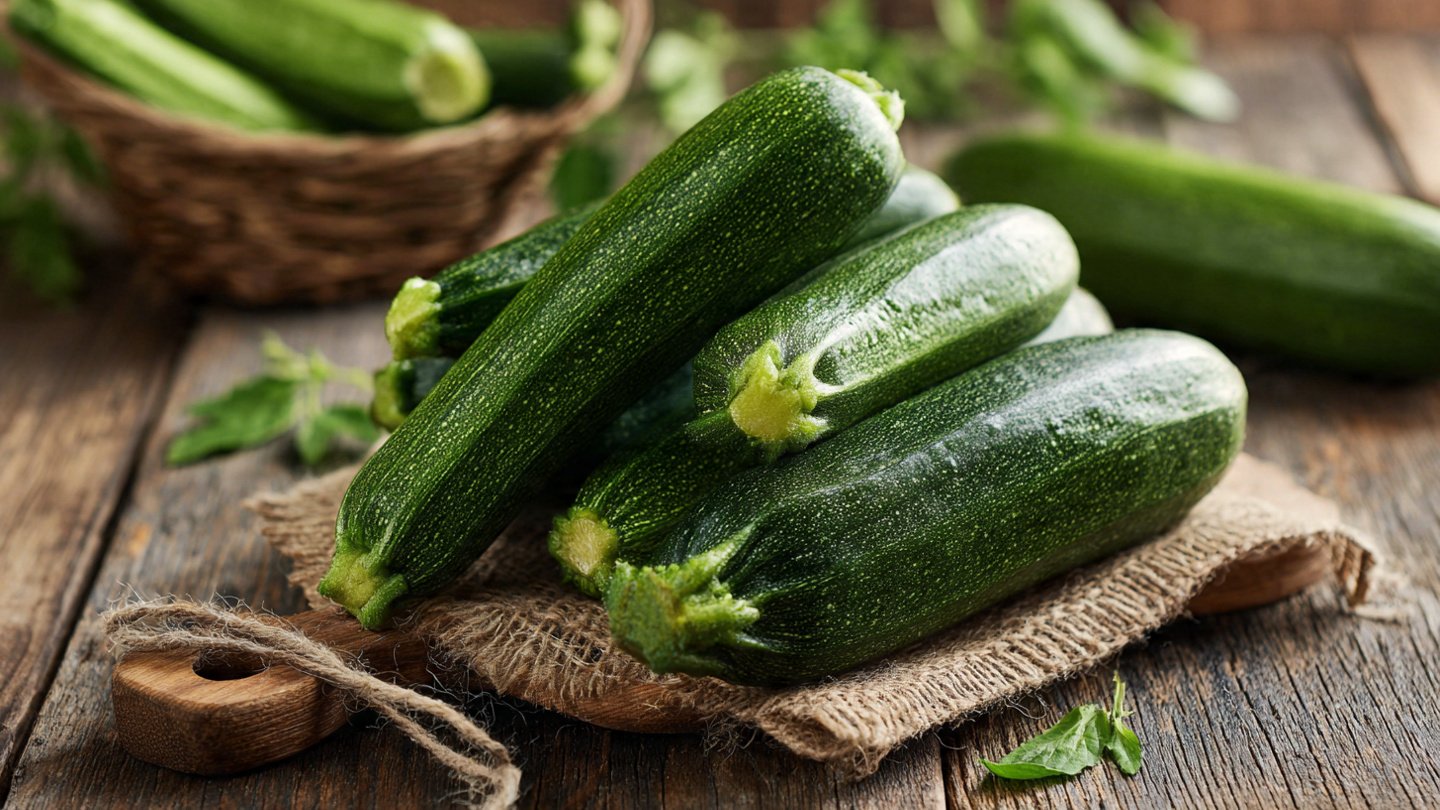
Zucchini, also known as courgette, is a versatile and nutritious vegetable that has gained popularity in kitchens around the world. Its mild flavor, low-calorie content, and adaptability in recipes make it an ideal choice for those looking to eat healthier. Beyond its culinary versatility, zucchini is packed with vitamins, minerals, and antioxidants that provide numerous health benefits. Incorporating zucchini into your daily diet can improve digestion, support heart health, boost immunity, and promote overall well-being.
This article explores the key health benefits of eating zucchini daily, its nutritional profile, and practical tips for including it in your diet.
Nutritional Profile of Zucchini
Zucchini is primarily composed of water, which contributes to its low-calorie content while keeping you hydrated. A 100-gram serving of raw zucchini contains approximately:
- Calories: 17 kcal
- Carbohydrates: 3.1 g
- Protein: 1.2 g
- Fiber: 1 g
- Vitamin C: 28% of the daily value
- Vitamin A: 4% of the daily value
- Potassium: 7% of the daily value
- Manganese: 8% of the daily value
In addition to these essential nutrients, zucchini contains antioxidants such as lutein and zeaxanthin, which protect the body against oxidative stress and inflammation.
1. Supports Digestive Health
One of the most notable benefits of zucchini is its positive effect on digestion. Zucchini is rich in water and dietary fiber, both of which aid digestion and promote regular bowel movements. Fiber helps prevent constipation, supports healthy gut bacteria, and improves nutrient absorption.
Eating zucchini daily can help maintain a healthy digestive system, reduce bloating, and improve overall gut health.
2. Promotes Heart Health
Zucchini contains several nutrients that support cardiovascular health. Potassium, for example, helps regulate blood pressure by balancing sodium levels in the body. Fiber, particularly soluble fiber, helps lower LDL cholesterol (the “bad” cholesterol) and reduce the risk of heart disease.
Additionally, antioxidants in zucchini, such as vitamin C and carotenoids, help prevent inflammation and oxidative damage in blood vessels, contributing to a healthier heart.
3. Supports Weight Management
For those looking to manage or lose weight, zucchini is an excellent choice. Its low-calorie and high-water content make it filling without contributing excess calories. The fiber in zucchini adds bulk to meals, promoting satiety and reducing overeating.
Incorporating zucchini into salads, stir-fries, soups, or even as a pasta substitute can help you maintain a balanced, calorie-controlled diet.
4. Boosts Immunity
Zucchini is rich in vitamin C, a powerful antioxidant that enhances the immune system. Vitamin C helps stimulate white blood cell production, which protects the body against infections and illnesses. Regular consumption of zucchini can contribute to stronger immunity, helping your body fight off colds, flu, and other common ailments.
Zucchini also contains vitamin A, which plays a crucial role in maintaining healthy skin and mucous membranes—our first line of defense against pathogens.
5. Supports Eye Health
Zucchini contains carotenoids like lutein and zeaxanthin, which are vital for eye health. These compounds help protect the retina from oxidative damage caused by free radicals and reduce the risk of age-related macular degeneration and cataracts.
Eating zucchini daily can support long-term eye health and maintain optimal vision, especially when combined with other colorful vegetables rich in antioxidants.
6. Helps Regulate Blood Sugar
Zucchini has a low glycemic index, meaning it does not cause rapid spikes in blood sugar levels. The fiber content also slows down glucose absorption, making it a suitable vegetable for people with diabetes or those looking to manage blood sugar levels.
Regular consumption of zucchini, as part of a balanced diet, can help maintain stable energy levels and support healthy glucose metabolism.
7. Supports Bone Health
Zucchini contains minerals like manganese, magnesium, and vitamin K, all of which are important for maintaining strong and healthy bones. Manganese contributes to bone formation and repair, while magnesium helps with calcium absorption. Vitamin K plays a key role in bone mineralization and reducing the risk of fractures.
Including zucchini in your diet can be part of a holistic approach to supporting long-term skeletal health.
8. Anti-Inflammatory and Antioxidant Properties
Zucchini is rich in antioxidants, including vitamin C, beta-carotene, lutein, and zeaxanthin. These compounds neutralize harmful free radicals in the body, reducing inflammation and oxidative stress, which are linked to chronic diseases such as heart disease, diabetes, and certain cancers.
Consuming zucchini daily can contribute to overall cellular health and protect the body against long-term damage caused by oxidative stress.
9. Promotes Healthy Skin and Hair
The nutrients in zucchini, including vitamin C, vitamin A, and antioxidants, support healthy skin and hair. Vitamin C is essential for collagen production, which maintains skin elasticity and prevents premature aging. Vitamin A helps repair skin tissue, while antioxidants protect against UV damage and environmental stressors.
Eating zucchini regularly can contribute to a healthy glow, stronger hair, and overall skin vitality.
10. Easy to Incorporate into Your Diet
Zucchini is highly versatile and can be enjoyed in a variety of ways, making it easy to include in your daily meals:
- Raw: Add thinly sliced zucchini to salads or sandwiches
- Steamed or boiled: Serve as a side dish with minimal seasoning
- Stir-fried: Combine with other vegetables and herbs for a nutritious meal
- Zoodles (zucchini noodles): Use as a low-carb substitute for pasta
- Baked: Incorporate into casseroles, muffins, or breads
This versatility ensures that you can enjoy zucchini in many forms without getting bored.
Practical Tips for Maximizing Health Benefits
- Eat the skin: Zucchini skin contains high levels of fiber and antioxidants
- Combine with healthy fats: Vitamin A and other carotenoids are better absorbed with a small amount of healthy fat like olive oil
- Avoid overcooking: Light steaming or sautéing preserves most nutrients
- Pair with other colorful vegetables: A variety of colors increases antioxidant intake and overall nutrient density
By following these tips, you can maximize the health benefits of zucchini in your diet.
Conclusion
Eating zucchini daily is a simple, delicious, and effective way to improve overall health. From supporting digestion and heart health to boosting immunity, regulating blood sugar, and protecting vision, zucchini is a powerhouse vegetable that should be a staple in every diet. Its low calorie, high water, and nutrient-rich profile make it ideal for weight management, skin and hair health, and disease prevention.
Whether you add it to salads, stir-fries, soups, or use it as a pasta alternative, incorporating zucchini into your meals is an easy step toward a healthier lifestyle. With its versatility, taste, and remarkable health benefits, zucchini is more than just a vegetable—it’s a daily wellness booster that supports long-term health.