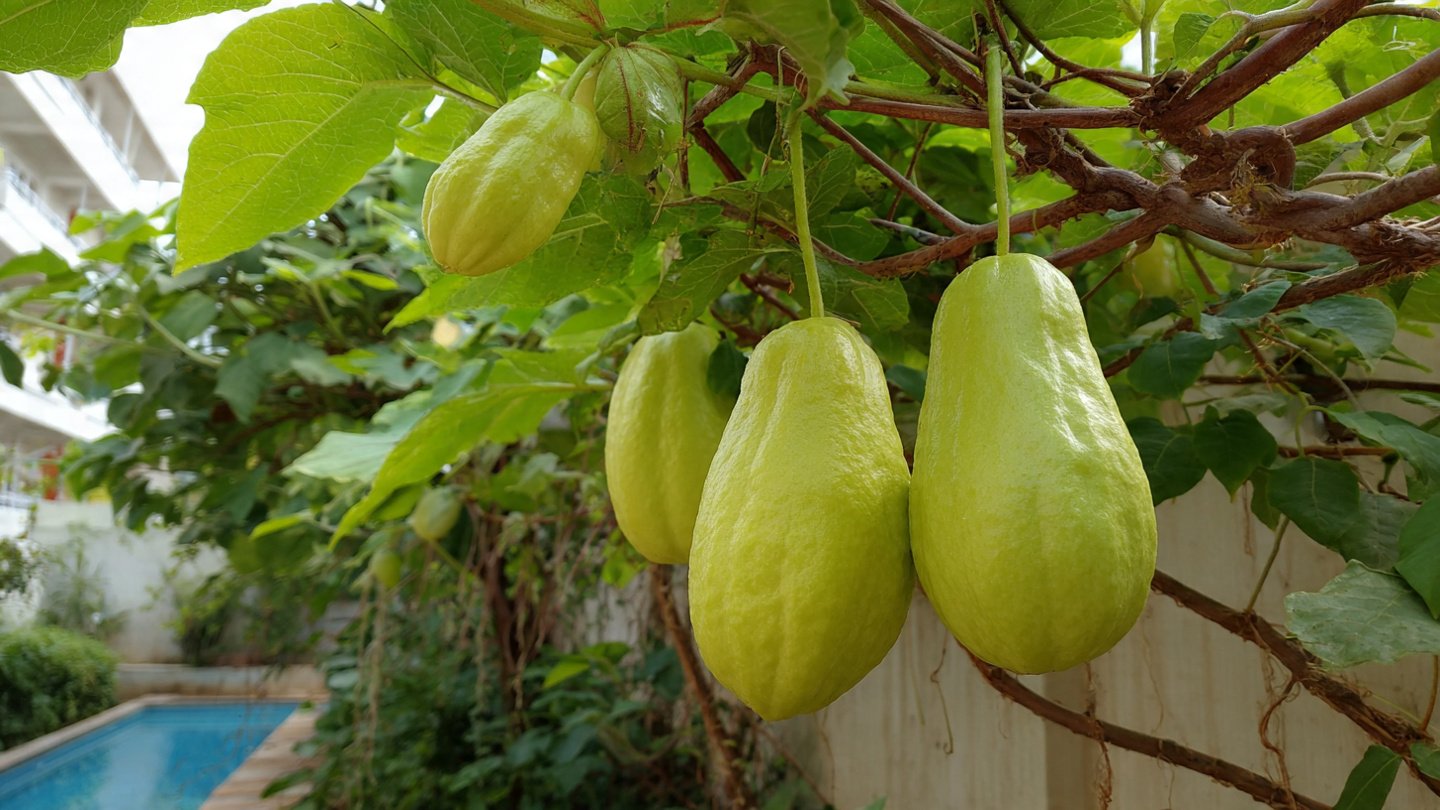
Chayote (Sechium edule), also known as vegetable pear or mirliton, is a versatile, fast-growing vine prized for its crisp, mild-flavored fruits and edible leaves and shoots. Popular in Latin American, Asian, and Caribbean cuisines, chayote is nutritious, rich in fiber, vitamin C, and antioxidants, and easy to incorporate into soups, stir-fries, salads, and stews.
Growing chayote at home is a rewarding endeavor, especially when you aim for a bountiful harvest. With the right techniques, soil preparation, watering, and trellising, you can enjoy an abundant crop with minimal effort. In this guide, I’ll walk you through the best way to grow chayote for huge home harvests, from planting to harvest, ensuring your vines thrive and produce an impressive yield.
Why Grow Chayote at Home?
There are several reasons chayote is an excellent choice for home gardening:
- High Yield: Chayote vines produce abundant fruits when properly supported and cared for.
- Versatility: Both fruits and tender shoots are edible, offering multiple culinary uses.
- Nutritional Value: Low in calories but packed with fiber, vitamins, and minerals.
- Long Harvest Window: Vines can continue producing fruits for several months, especially in warm climates.
- Low Maintenance: Chayote is hardy, pest-tolerant, and thrives in a variety of soil types.
By following the right steps, home gardeners can enjoy fresh chayote from their own backyard or balcony garden.
Selecting Chayote for Planting
Chayote is typically grown from the fruit itself:
- Choose Healthy Fruit: Select mature, firm chayote that is free from blemishes, cracks, or soft spots.
- Freshness Matters: Fresher fruits sprout faster than older, dried-out ones.
- Variety Selection: While most chayote is green and pear-shaped, some varieties produce smoother, smaller, or even yellow fruits. Choose based on taste preference and local climate.
Only healthy, mature chayote will produce strong, vigorous vines.
Preparing the Chayote for Planting
Chayote grows from the whole fruit rather than seeds. Here’s how to prepare it:
- Soak the Fruit: Submerge chayote in water for 24 hours to encourage sprouting.
- Sprouting Direction: Plant the chayote on its side with the tapered end slightly tilted upward; this encourages proper root and shoot development.
- Temperature: Plant when soil temperatures are above 65°F (18°C), as chayote is sensitive to frost and cold soil.
Proper preparation accelerates germination and sets the stage for vigorous growth.
Soil Preparation
Chayote thrives in fertile, well-draining soil:
- Soil Type: Loamy soil rich in organic matter is ideal. Sandy soil is acceptable if amended with compost.
- pH: Slightly acidic to neutral soil (pH 6.0–7.0) ensures optimal nutrient uptake.
- Nutrient Boost: Mix in compost, well-rotted manure, or organic fertilizer to give young plants a head start.
- Drainage: Avoid waterlogged areas, as chayote roots are prone to rot in standing water.
Healthy soil supports strong root systems and promotes abundant fruiting.
Planting Chayote
Planting chayote correctly is essential for fast-growing vines and a productive harvest:
- Spacing: Leave 8–10 feet between plants, as chayote vines spread widely. Vertical growth reduces space requirements but still needs adequate room.
- Depth: Bury the chayote half-buried or slightly tilted with the pointed end upward. Cover lightly with soil.
- Trellis Support: Install a sturdy trellis or vertical support at planting time. Chayote vines are vigorous climbers and can reach 20–30 feet in height.
- Watering: Water thoroughly after planting to settle soil around the fruit and encourage root development.
Correct planting and support ensure the vines grow strong and maximize yields.
Watering and Mulching
Chayote prefers consistent moisture:
- Regular Watering: Water deeply once or twice a week, adjusting for rainfall and temperature. Keep the soil consistently moist but not waterlogged.
- Mulching: Apply a thick layer of organic mulch such as straw, leaves, or compost to retain moisture, regulate soil temperature, and suppress weeds.
- Avoid Overwatering: Excess water can lead to root rot, while drought stress reduces flowering and fruit set.
Consistent moisture and mulching create optimal conditions for vigorous vine growth and fruit production.
Fertilizing for Abundant Harvests
Chayote vines are heavy feeders and benefit from regular fertilization:
- Balanced Fertilizer: Use a fertilizer with equal parts nitrogen, phosphorus, and potassium (NPK 10-10-10) for vegetative and flowering growth.
- Application Frequency: Fertilize every 4–6 weeks during the growing season.
- Organic Fertilizers: Compost, well-rotted manure, and fish emulsion are excellent alternatives.
- Flowering Boost: Once flowers appear, a fertilizer higher in phosphorus can encourage more fruit set.
Proper feeding ensures the vines remain vigorous and support a large number of fruits.
Supporting Vertical Growth
Chayote is a climber and requires strong support for maximum yield:
- Trellis Design: Use heavy-duty trellises, strong poles, or even a pergola to support the weight of mature vines.
- Training Vines: Gently tie young shoots to the support using soft twine.
- Pruning: Trim excessive lateral shoots to direct energy toward fruit production and avoid overcrowding.
Vertical growth improves air circulation, reduces disease risk, and makes harvesting easier.
Pest and Disease Management
Chayote is relatively hardy but can face some pests and diseases:
- Common Pests: Aphids, whiteflies, spider mites, and beetles may attack leaves and shoots. Regularly inspect plants and remove pests by hand or with insecticidal soap.
- Diseases: Powdery mildew, anthracnose, and root rot can occur in humid or waterlogged conditions. Ensure good airflow and proper drainage.
- Preventive Measures: Mulch, clean garden debris, and avoid overhead watering to minimize fungal issues.
Healthy, pest-free plants produce more and better-quality fruits.
Flowering and Pollination
Chayote produces male and female flowers on the same vine:
- Male Flowers: Typically appear first, providing pollen.
- Female Flowers: Form later and develop into fruit.
- Pollination: Bees and other insects help fertilize flowers. In the absence of insects, gentle hand-pollination with a small brush can improve fruit set.
Successful pollination is essential for producing large, healthy fruits.
Harvesting Chayote
Chayote fruits grow rapidly and can be harvested multiple times during the season:
- Timing: Harvest fruits when they are 4–6 inches long, tender, and still light green. Larger fruits can become tough.
- Method: Cut the fruit from the vine with scissors or pruning shears, leaving a small stem attached.
- Regular Harvesting: Frequent picking encourages continuous fruiting and prevents over-mature fruits from reducing vine productivity.
Proper harvesting techniques ensure a prolonged and abundant yield.
Tips for Maximizing Home Harvests
- Plant Multiple Fruits: More plants increase harvest potential and provide continuous supply.
- Vertical Gardening: Utilize trellises, pergolas, or fences to maximize space and yield.
- Regular Maintenance: Prune old leaves, remove weak shoots, and monitor for pests and disease.
- Soil Health: Refresh or amend soil annually with compost or organic fertilizer to maintain fertility.
- Climate Considerations: Protect vines from frost or extreme heat using shade cloths or row covers.
Following these tips will ensure your home chayote garden produces large quantities of healthy, flavorful fruits.
Conclusion
Growing chayote at home is incredibly rewarding, and with the right techniques, you can achieve huge harvests with minimal effort. From selecting healthy fruits for planting, preparing fertile soil, providing vertical support, and maintaining consistent watering and fertilization, to monitoring pests and diseases, each step contributes to vigorous vine growth and abundant fruit production.
By practicing careful care, proper pruning, and attentive harvesting, even small home gardens can yield impressive chayote crops. Vertical gardening, organic fertilization, and proper soil management are key to maintaining healthy plants capable of producing fruit over several months.
Whether you’re an urban gardener growing vines on a balcony or a backyard enthusiast with space for multiple plants, following this guide ensures your chayote vines thrive and reward you with a continuous supply of crisp, nutritious fruits. With patience, consistent care, and the right techniques, your home garden can become a veritable chayote paradise, providing fresh produce for your kitchen and enhancing your sustainable gardening practices.