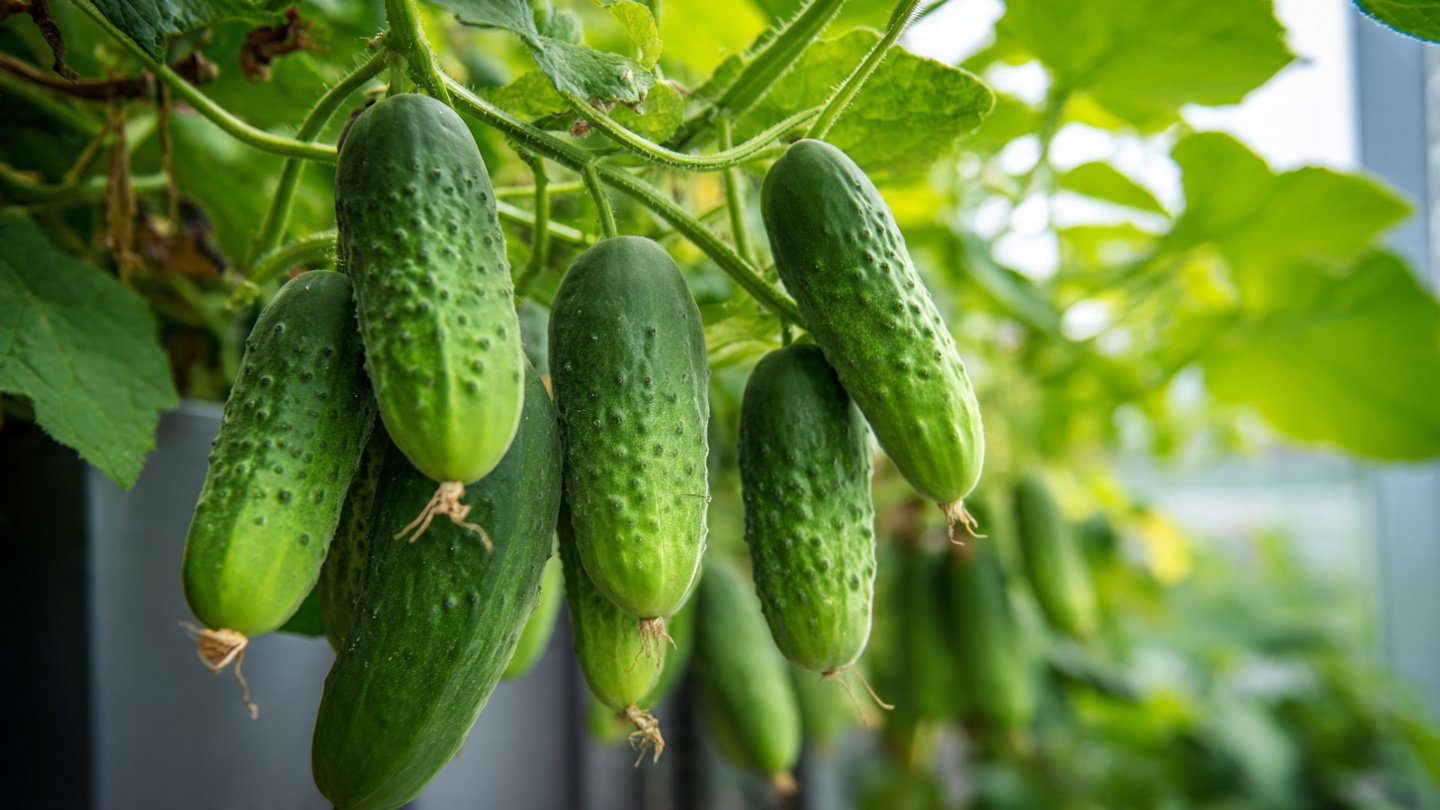
Growing cucumbers at home is often associated with gardens or allotments, but did you know that you can have a thriving cucumber crop even on a small balcony? With the right techniques, containers, and care, cucumbers can grow vigorously in limited spaces, producing fresh, crisp fruits that you can harvest throughout the season. Balcony gardening not only gives you access to nutrient-rich vegetables but also adds greenery and a sense of accomplishment to your urban living space. This comprehensive guide will show you how to grow cucumbers on your balcony, step by step, to achieve abundant, flavorful harvests.
Step 1: Understanding Balcony Cucumber Gardening
Balcony gardening is different from traditional ground gardening, so it’s essential to understand the specific needs of cucumbers in containers:
- Sunlight: Cucumbers are sun-loving plants, needing at least 6–8 hours of direct sunlight daily. Balconies that face south or west are ideal.
- Space: Cucumbers are vining plants, and they require vertical space for climbing to avoid sprawling on the floor.
- Containers: Large pots or containers allow for adequate root development and healthy growth.
- Water and nutrients: Container plants dry out more quickly than garden beds and require consistent watering and fertilization.
By adapting these principles, you can create a balcony cucumber garden that thrives despite space constraints.
Step 2: Choosing the Right Cucumber Variety
Selecting a cucumber variety suited for container and vertical growth is key to success:
- Bush varieties: Compact plants that do not require trellises and are perfect for small balconies. Examples include ‘Bush Champion’ or ‘Patio Snacker.’
- Vining varieties: Grow quickly and climb trellises, fences, or nets. Examples include ‘Marketmore’ or ‘Lemon Cucumber.’
- Mini or snack varieties: Ideal for containers, these cucumbers are smaller and mature faster, making them perfect for continuous harvest.
Choose varieties based on your balcony size, available sunlight, and desired cucumber type for salads, pickling, or fresh eating.
Step 3: Selecting Containers
Cucumber plants need room for roots and stable support. The right container ensures healthy growth and high yields:
- Size: Use containers at least 12–18 inches deep and 12–16 inches wide for a single plant. Larger containers are better for multiple plants.
- Material: Plastic, ceramic, or wooden pots work well. Ensure containers are sturdy to withstand wind and plant weight.
- Drainage: Proper drainage is critical. Make sure your pots have multiple holes to prevent waterlogging and root rot.
Containers with good drainage, size, and stability provide the foundation for vigorous cucumber growth.
Step 4: Choosing Soil and Fertilizer
Healthy soil ensures strong cucumber growth and abundant fruit production:
- Soil mix: Use a high-quality potting mix enriched with compost. Mix in perlite or vermiculite for aeration and drainage.
- Nutrients: Cucumbers are heavy feeders. Add slow-release fertilizer or organic compost at planting.
- pH level: Cucumbers prefer slightly acidic to neutral soil (6.0–7.0).
Well-prepared soil supports vigorous leaf, vine, and fruit development.
Step 5: Planting Cucumbers on the Balcony
You can start cucumbers from seeds or seedlings:
- Seeds: Sow seeds ½–1 inch deep in small starter pots or directly in the container. Keep soil moist until germination.
- Seedlings: Transplant strong seedlings into the container, spacing one plant per large pot. Avoid disturbing the roots too much.
- Planting depth: Bury the seedlings up to the first set of true leaves to encourage stronger root systems.
Starting with healthy seeds or seedlings ensures rapid growth and high productivity.
Step 6: Providing Support for Vertical Growth
Cucumbers are natural climbers, and vertical support maximizes balcony space:
- Trellises: Install a trellis or net against a wall or railing for vines to climb.
- Cages or stakes: Small trellises or tomato cages can support bush varieties.
- String or ropes: Use lightweight ropes for vining types to attach vines upward, saving floor space.
Vertical growth keeps fruits clean, reduces disease risk, and improves airflow around the plant.
Step 7: Watering and Feeding
Cucumbers in containers dry out faster than ground-planted cucumbers, making consistent watering critical:
- Watering: Keep soil evenly moist but not waterlogged. Water deeply 2–3 times per week, or more frequently in hot weather.
- Fertilization: Feed plants every 2–3 weeks with liquid fertilizer high in potassium and phosphorus to promote flowering and fruiting.
- Mulching: Apply organic mulch, such as straw, to reduce evaporation and maintain soil temperature.
Proper water and nutrient management directly influence cucumber size, flavor, and abundance.
Step 8: Pollination
For fruit production, cucumbers need proper pollination:
- Natural pollinators: Bees and other insects transfer pollen from male to female flowers.
- Hand pollination: On balconies with few pollinators, use a small brush or cotton swab to transfer pollen manually. Female flowers can be identified by the tiny cucumber at their base.
Ensuring pollination increases the number of fruits and promotes continuous harvest.
Step 9: Managing Pests and Diseases
Balcony cucumber plants are generally safer from field pests but can still encounter problems:
- Aphids and spider mites: Spray with insecticidal soap or neem oil.
- Powdery mildew: Avoid wetting leaves and provide adequate airflow. Treat early with fungicides if necessary.
- Root rot: Ensure good drainage and avoid overwatering.
- Preventive measures: Regularly remove yellow leaves and check for pests. Companion plants like marigolds can deter insects.
Vigilant pest and disease management ensures healthy vines and productive harvests.
Step 10: Pruning and Maintenance
Pruning encourages stronger growth and more abundant fruits:
- Remove weak vines: Focus energy on the strongest main vine.
- Trim yellow leaves: Improves airflow and reduces disease risk.
- Pinch growing tips: For vining varieties, pinching helps plants branch and produce more flowers.
Regular maintenance keeps plants vigorous and productive throughout the season.
Step 11: Harvesting Cucumbers
Proper harvesting maximizes yield and flavor:
- Timing: Cucumbers are usually ready to harvest 50–70 days after sowing. Pick fruits when they reach the desired size—typically 6–8 inches for slicing varieties.
- Frequency: Harvest every 2–3 days during peak season to encourage continuous flowering and fruiting.
- Signs of overripeness: Avoid letting cucumbers grow too large or yellow, as they can become bitter and seedy.
Frequent harvesting results in crisp, sweet cucumbers and stimulates further production.
Step 12: Tips for Balcony Success
- Choose compact varieties: Bush or mini cucumbers thrive in pots.
- Use vertical space: Trellises, cages, or string supports maximize limited balcony areas.
- Monitor watering: Container soil dries quickly, especially in hot weather.
- Regular fertilization: Heavy feeding supports lush foliage and abundant fruits.
- Rotate crops: Plant different vegetables each season to maintain soil fertility.
- Protect from wind: Strong winds can damage vines and flowers on balconies.
These tips ensure cucumbers flourish even in small urban spaces.
Step 13: Culinary and Nutritional Benefits
Balcony-grown cucumbers offer freshness, flavor, and nutrition:
- Crisp and refreshing: Perfect for salads, sandwiches, and snacks.
- Hydrating: High water content keeps you refreshed in hot weather.
- Nutrient-rich: Cucumbers contain vitamins C and K, potassium, and antioxidants.
- Versatile: Enjoy fresh, pickled, or in smoothies and cold soups.
- Pesticide-free: Homegrown cucumbers are healthier and tastier than store-bought.
Growing cucumbers at home ensures a constant supply of fresh, nutrient-packed vegetables for your meals.
Conclusion
Growing cucumbers on the balcony is not only possible—it can be highly rewarding. With proper container selection, soil preparation, sunlight, water, and support, cucumber plants can thrive in limited spaces, producing abundant, crisp fruits all season long. From choosing the right variety and planting healthy seedlings to managing pests and harvesting at the right time, every step plays a role in achieving a successful balcony garden.
Vertical supports, consistent watering, and regular maintenance maximize yields and keep plants vigorous. Whether you have a small urban balcony or a spacious terrace, balcony cucumber gardening provides fresh produce, greenery, and a satisfying connection to nature. With care and patience, your balcony can become a mini cucumber paradise, where fruit grows like crazy, offering endless culinary possibilities and homegrown freshness.