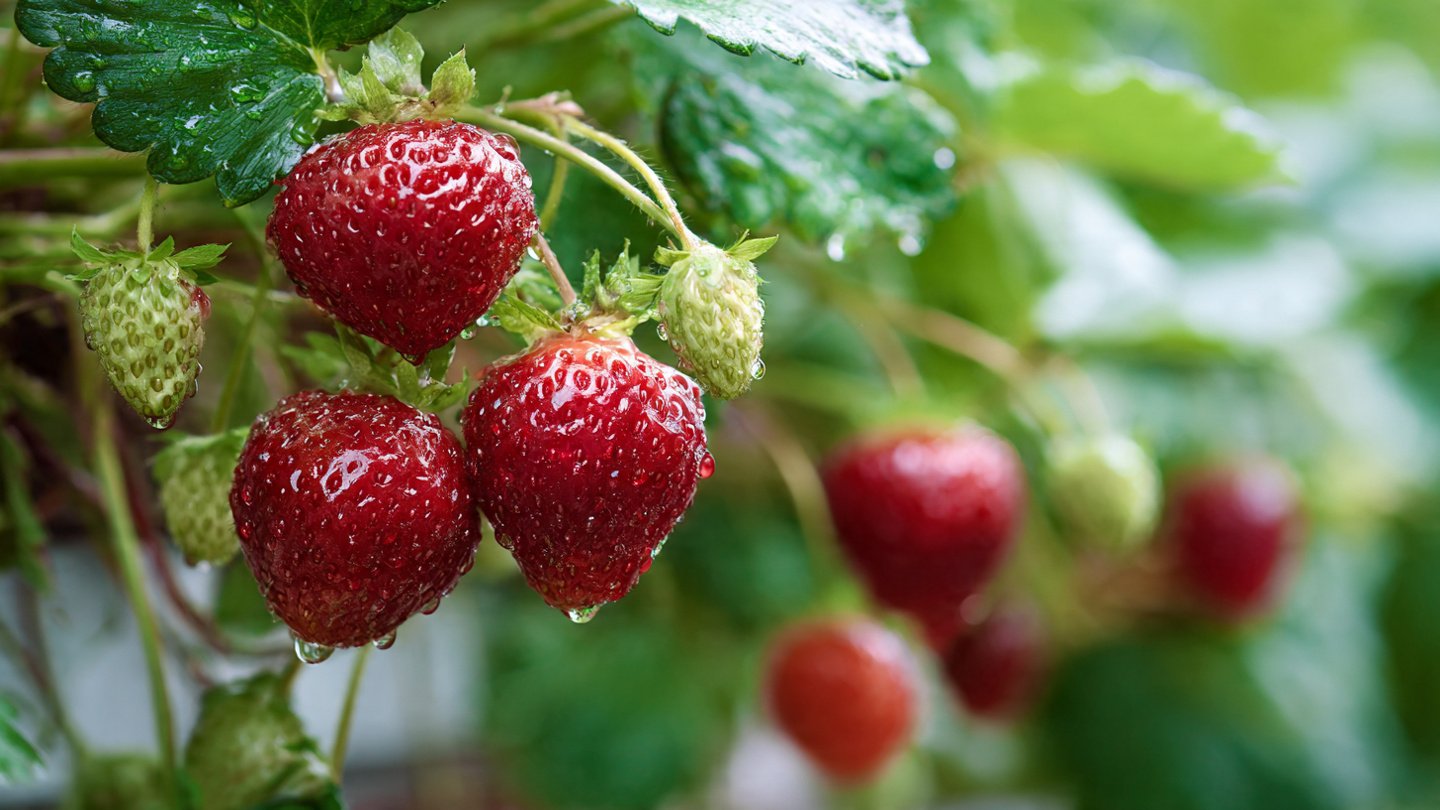
Strawberries are one of the most beloved fruits in the world. Their sweet aroma, vibrant red color, and juicy flavor make them a favorite for desserts, smoothies, salads, and even snacks straight from the garden. Growing strawberries at home is not only rewarding but also ensures that you enjoy chemical-free, fresh fruits throughout the season. With the right techniques, even beginner gardeners can cultivate strawberries like a pro, achieving high-yield, sweet, and juicy harvests. This guide will walk you through the steps to grow strawberries successfully at home.
Why Grow Strawberries at Home?
Growing strawberries at home has several advantages:
- Freshness: Homegrown strawberries are much fresher and tastier than store-bought ones, which often lose flavor during transportation.
- Health Benefits: Strawberries are rich in vitamin C, antioxidants, and fiber, and home cultivation ensures no harmful pesticides are used.
- Cost Savings: Once established, strawberry plants produce fruit for multiple years, reducing the need to buy expensive fruits.
- Aesthetic Value: Strawberry plants are attractive, with vibrant fruits and green foliage, making them perfect for decorative gardens, balconies, or patios.
Even if you have limited space, strawberries can be grown in containers, hanging baskets, or vertical planters, making them ideal for apartments or small yards.
Choosing the Right Strawberry Variety
Selecting the right variety is crucial for success. Strawberries are generally categorized into three types:
- June-bearing: Produce one large crop per year, usually in late spring or early summer. They yield large, sweet berries but have a short harvest period.
- Everbearing: Produce two main harvests, one in spring and one in fall. These are ideal for moderate, continuous yields.
- Day-neutral: Fruit continuously throughout the growing season, provided temperatures remain between 10°C and 30°C. These are perfect for small-space growers seeking a long harvest.
Popular homegrown varieties include Albion, Seascape, Tristar, and Chandler, which are known for their sweetness, size, and high yields.
Selecting the Ideal Location
Strawberries thrive in sunny locations. They need 6–8 hours of direct sunlight daily for healthy growth and maximum fruit production. If growing in containers or hanging baskets, choose a spot that receives adequate light, such as balconies, terraces, or windowsills.
Soil is equally important. Strawberries prefer well-draining, loamy soil enriched with organic matter. Avoid heavy clay soils, which retain water and can cause root rot. A slightly acidic soil with a pH of 5.5–6.5 is optimal.
Planting Strawberries
Whether planting in the ground or in containers, proper planting techniques are key:
- Prepare the soil: Mix garden soil with compost, well-rotted manure, or coco peat to improve fertility and drainage.
- Spacing: For ground planting, space strawberries 12–18 inches apart to allow airflow and prevent overcrowding. In containers, plant 2–3 per pot, depending on size.
- Planting depth: Place the crown (the growth point where leaves emerge) just above the soil surface. Planting too deep or too shallow can damage the plant.
- Watering: Water thoroughly after planting to help roots settle. Keep the soil moist but not waterlogged.
For small spaces, hanging baskets, vertical planters, or window boxes are excellent options. These methods also improve air circulation, reduce pests, and make harvesting easier.
Watering and Mulching
Strawberries require consistent moisture, especially during flowering and fruiting. Dry conditions can result in small, poorly formed berries, while overwatering can cause root rot.
- Watering tips: Water early in the morning to allow foliage to dry during the day, reducing fungal risks.
- Mulching: Apply straw, dried leaves, or coco peat around the plants to retain moisture, suppress weeds, and protect fruits from soil contact. Mulching also keeps the berries clean and reduces rot.
Fertilization
Strawberries are moderate feeders and benefit from regular nutrition:
- Before planting: Incorporate compost or well-rotted manure into the soil.
- During growth: Apply balanced organic fertilizer every 3–4 weeks to promote healthy foliage, flowering, and fruiting.
- Foliar feeding: Use liquid fertilizers or biofertilizers as a foliar spray every 10–15 days to boost plant health.
Avoid over-fertilizing, as excessive nitrogen promotes leafy growth at the expense of flowers and fruits.
Pruning and Maintenance
Proper care improves yield and fruit quality:
- Remove runners selectively: Strawberry plants produce runners (long stems) to propagate new plants. Remove excess runners to allow the main plant to focus on fruit production. You can keep a few runners if you want to expand your strawberry patch.
- Prune dead leaves: Remove yellow or damaged leaves regularly to improve airflow and prevent disease.
- Protect flowers and fruits: Use nets to protect strawberries from birds, squirrels, and other pests.
Pollination
Strawberries are self-pollinating, but bees and insects improve fruit set and size. If growing indoors or in areas with limited pollinators, gently shake the flowers or use a small brush to transfer pollen between flowers.
Pest and Disease Management
Common pests include aphids, mites, slugs, and snails, while fungal infections like powdery mildew or leaf spot can occur in humid conditions.
- Prevention: Keep plants well-spaced, maintain proper watering, and remove dead leaves promptly.
- Natural remedies: Neem oil, garlic spray, or soapy water can control pests organically.
- Regular monitoring: Inspect plants at least once a week for early signs of infestation.
Chemical pesticides should be avoided to maintain fresh, safe, and chemical-free strawberries.
Harvesting Strawberries
Strawberries are ready to harvest when they are fully red, fragrant, and slightly soft to the touch. Tips for harvesting:
- Pick fruits in the morning for best flavor.
- Use scissors or gently twist the fruit to avoid damaging the plant.
- Harvest regularly to encourage continuous production, especially for everbearing and day-neutral varieties.
Freshly harvested strawberries can be eaten raw, added to desserts, or stored in the refrigerator for a few days.
Advanced Techniques for High Yields
To grow strawberries like a pro and maximize harvests, consider these techniques:
- Succession planting: Plant new strawberries every few weeks for continuous harvest.
- Raised beds: Improve soil drainage and fertility while reducing pest risks.
- Vertical strawberry towers: Use stacked pots or vertical planters to grow more plants in less space.
- Companion planting: Plant herbs like basil or thyme nearby to deter pests naturally.
These strategies ensure sweet, juicy, and abundant strawberries throughout the growing season.
Final Thoughts
Growing strawberries at home is both satisfying and practical. By choosing the right variety, providing proper sunlight, soil, and water, and following simple care techniques, you can enjoy high-yield, sweet, and juicy strawberries right from your backyard, balcony, or terrace. Even beginners can cultivate strawberries successfully with containers, vertical systems, and careful maintenance. With patience, consistent care, and a little creativity, your homegrown strawberries can rival the taste and quality of store-bought fruits while offering the satisfaction of gardening success.