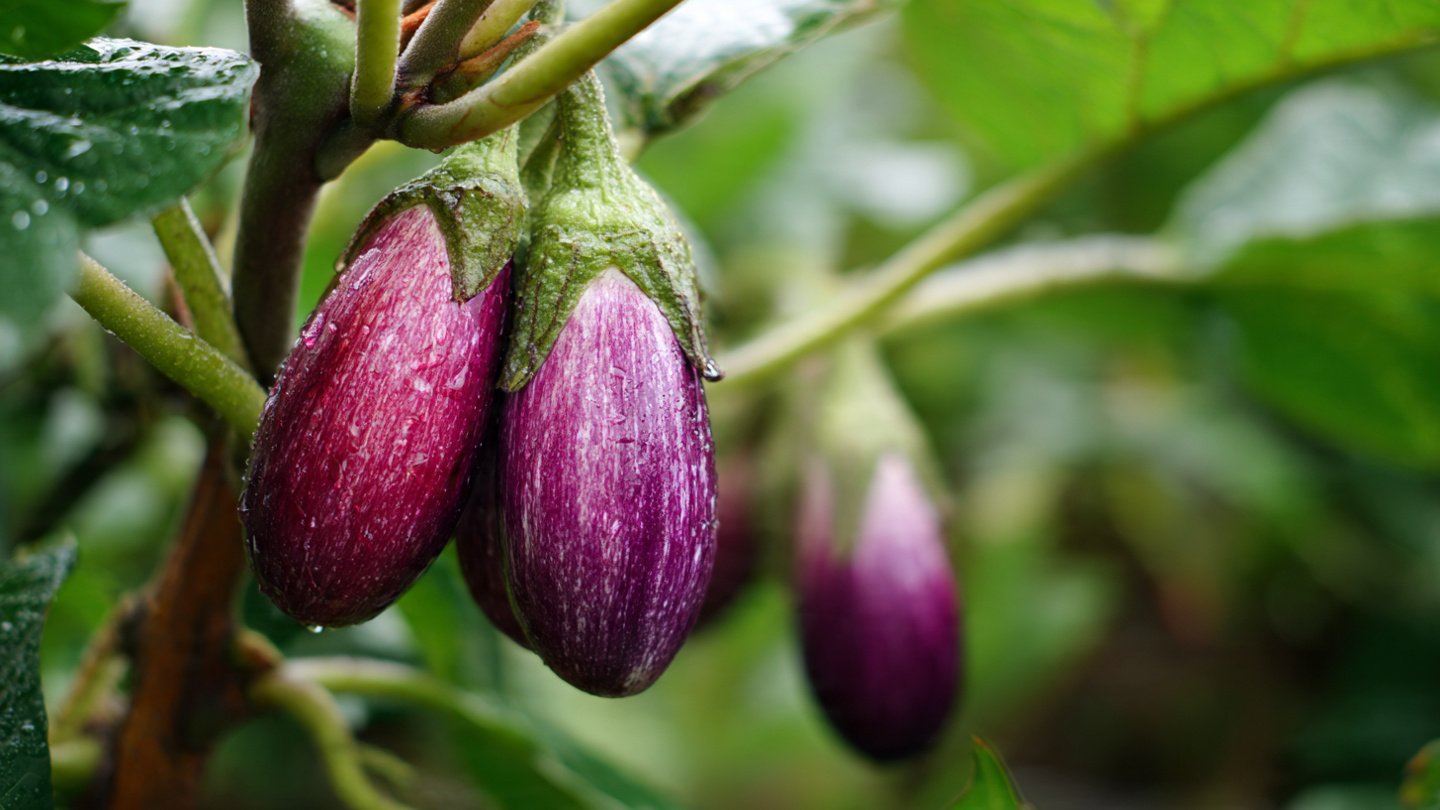
Companion gardening is a clever way to boost plant health, yield, and soil fertility by planting complementary crops together. One of the most surprising combinations that has recently gained attention among home gardeners is eggplants and bananas. While they may seem like an unusual pair, growing eggplants with bananas can provide mutual benefits—ranging from improved growth to natural pest control—thanks to their complementary characteristics.
In this article, I’ll share my firsthand experience of growing eggplants with bananas and provide a step-by-step guide for anyone interested in trying this surprising companion gardening method.
Understanding Companion Gardening
Companion gardening is based on the principle that certain plants grow better together than alone. These benefits can include:
- Enhanced growth: Some plants release nutrients or chemicals that stimulate the growth of neighboring crops.
- Pest control: Companion plants can deter pests naturally, reducing the need for chemical pesticides.
- Microclimate creation: Taller plants can provide shade or wind protection for smaller crops.
- Improved soil fertility: Certain plants enrich the soil, benefiting their neighbors.
By choosing the right companions, gardeners can maximize space, increase yields, and maintain a healthier garden ecosystem.
Why Eggplants and Bananas Work Together
Eggplants (Solanum melongena) and banana plants (Musa spp.) form a unique pairing in the garden:
- Shade and microclimate: Banana plants grow tall and provide partial shade, which helps eggplants thrive in hot climates. Eggplants can suffer from heat stress, so the shade from bananas keeps them cooler and reduces leaf scorch.
- Nutrient synergy: Banana plants shed nutrient-rich leaves, which decompose into organic matter, enriching the soil for eggplants. Additionally, bananas’ extensive root systems improve soil structure.
- Pest deterrence: Bananas attract beneficial insects like ladybugs and predatory wasps, which can naturally reduce eggplant pests like aphids and whiteflies.
- Moisture retention: Banana plants provide partial ground cover and shade, reducing evaporation and keeping soil around eggplants moist.
This pairing demonstrates how tropical and subtropical plants can support each other, creating a mini-ecosystem that benefits both crops.
Step 1: Choosing the Right Varieties
Choosing the right varieties of both plants is key:
Eggplants:
- Opt for heat-tolerant or fast-growing varieties, especially if you live in a tropical or subtropical climate.
- Popular varieties include ‘Black Beauty,’ ‘Nadia,’ or dwarf types for container planting.
Bananas:
- Choose dwarf or small-fruited varieties if space is limited, such as ‘Dwarf Cavendish’ or ‘Red Banana.’
- Ensure the banana variety is suitable for your climate and soil conditions.
Selecting compatible varieties increases the likelihood of both plants thriving together.
Step 2: Preparing the Planting Site
Both eggplants and bananas prefer well-drained, fertile soil and full to partial sunlight. To prepare the site:
- Clear weeds and debris: Remove any competing plants that could hinder growth.
- Loosen the soil: Dig 12–18 inches deep to improve root penetration.
- Add organic matter: Incorporate compost, well-rotted manure, or leaf litter to enrich the soil.
- Ensure spacing: Plant banana trees at least 6–8 feet apart, with eggplants placed 2–3 feet away from banana trunks to prevent root competition.
Proper site preparation ensures both plants have room to grow and access to nutrients.
Step 3: Planting Eggplants and Bananas
Planting Bananas:
- Dig a hole slightly larger than the banana rhizome or container.
- Place the banana plant, backfill with soil, and water thoroughly.
- Mulch around the base to conserve moisture and regulate soil temperature.
Planting Eggplants:
- Plant seedlings 2–3 feet away from banana trunks.
- Water well after planting and apply mulch around the eggplants.
- Consider using row covers initially to protect young eggplants from pests.
Strategic placement allows bananas to provide shade while eggplants remain accessible for care and harvesting.
Step 4: Watering and Fertilization
Both plants are water-loving and nutrient-demanding:
Watering:
- Water regularly, ensuring the soil remains moist but not waterlogged.
- Banana plants may require deep watering every 2–3 days in hot climates.
- Eggplants benefit from consistent moisture for optimal fruit development.
Fertilization:
- Use balanced fertilizers or organic compost for both plants.
- Eggplants may benefit from extra nitrogen during vegetative growth and potassium during flowering and fruiting.
- Banana plants thrive with high-potassium fertilizers to support fruit production.
Consistent watering and nutrition ensure vigorous growth and healthy yields for both plants.
Step 5: Pest and Disease Management
Eggplants and bananas attract different pests, but growing them together can naturally reduce pest pressure:
- Beneficial insects: Banana plants attract predators that consume eggplant pests.
- Physical barriers: Mulch and shade reduce fungal spore dispersal.
- Organic treatments: Neem oil, garlic spray, or insecticidal soap can be applied as needed.
By leveraging companion benefits and organic interventions, chemical pesticide use can be minimized.
Step 6: Pruning and Maintenance
Bananas:
- Remove dead leaves and suckers to focus energy on the main trunk.
- Pruning ensures adequate light reaches eggplants and prevents overcrowding.
Eggplants:
- Pinch off the growing tips occasionally to encourage bushier growth.
- Remove yellowing or diseased leaves to maintain airflow and reduce fungal infections.
Regular maintenance promotes healthy plants and maximizes fruit production.
Step 7: Harvesting
Eggplants:
- Harvest when fruits are firm, shiny, and 6–8 inches long (depending on variety).
- Use a sharp knife or scissors to cut fruits, avoiding damage to stems.
Bananas:
- Harvest when fruits are plump and slightly yellow, depending on the variety.
- Remove fruit bunches carefully to prevent injury to the plant or surrounding eggplants.
Frequent harvesting encourages continuous production and ensures both crops provide maximum yield.
Step 8: Benefits Observed
After growing eggplants with bananas, several surprising benefits emerged:
- Improved eggplant growth: The partial shade from bananas reduced heat stress, leading to larger, healthier leaves.
- Higher yields: Eggplants produced more fruits per plant compared to standalone planting.
- Natural pest control: Beneficial insects attracted to bananas reduced aphid populations on eggplants.
- Soil enrichment: Banana leaf litter and organic mulch improved soil fertility, supporting overall plant health.
This experiment demonstrates how thoughtful companion planting can enhance productivity and sustainability.
Step 9: Tips for Success
- Sunlight balance: Ensure eggplants receive enough light, especially in cooler climates.
- Mulching: Retains soil moisture and reduces weeds, benefiting both plants.
- Spacing: Prevent competition by maintaining adequate distance between banana trunks and eggplants.
- Succession planting: Plant eggplants in stages to enjoy continuous harvests.
- Organic care: Focus on natural fertilizers and pest control for healthier produce.
These tips make the banana-eggplant combination both practical and productive for home gardens.
Advantages of the Eggplant-Banana Method
- Maximizes garden space: Vertical growth of bananas allows eggplants to grow underneath.
- Reduces chemical use: Beneficial insects and shade reduce the need for pesticides.
- Sustainable gardening: Nutrient cycling and organic mulch improve soil health.
- Multiple harvests: Both crops can be harvested at different times, ensuring a steady supply.
- Visual appeal: The combination creates a tropical, lush garden environment.
This method demonstrates that unconventional pairings can be both functional and beautiful.
Conclusion
Growing eggplants with bananas is an unexpected yet effective companion gardening technique that benefits both plants. By providing shade, soil enrichment, and natural pest control, banana plants create an ideal microclimate for eggplants, resulting in healthier plants and higher yields.
For home gardeners, this method offers a sustainable, low-maintenance approach to growing two productive crops in the same space. With proper planting, watering, fertilization, and care, you can enjoy fresh eggplants and bananas from your garden while observing the fascinating dynamics of companion planting in action.
Whether you’re a beginner or an experienced gardener, experimenting with the eggplant-banana combination can be a fun, rewarding, and surprisingly effective way to enhance your garden’s productivity and biodiversity.