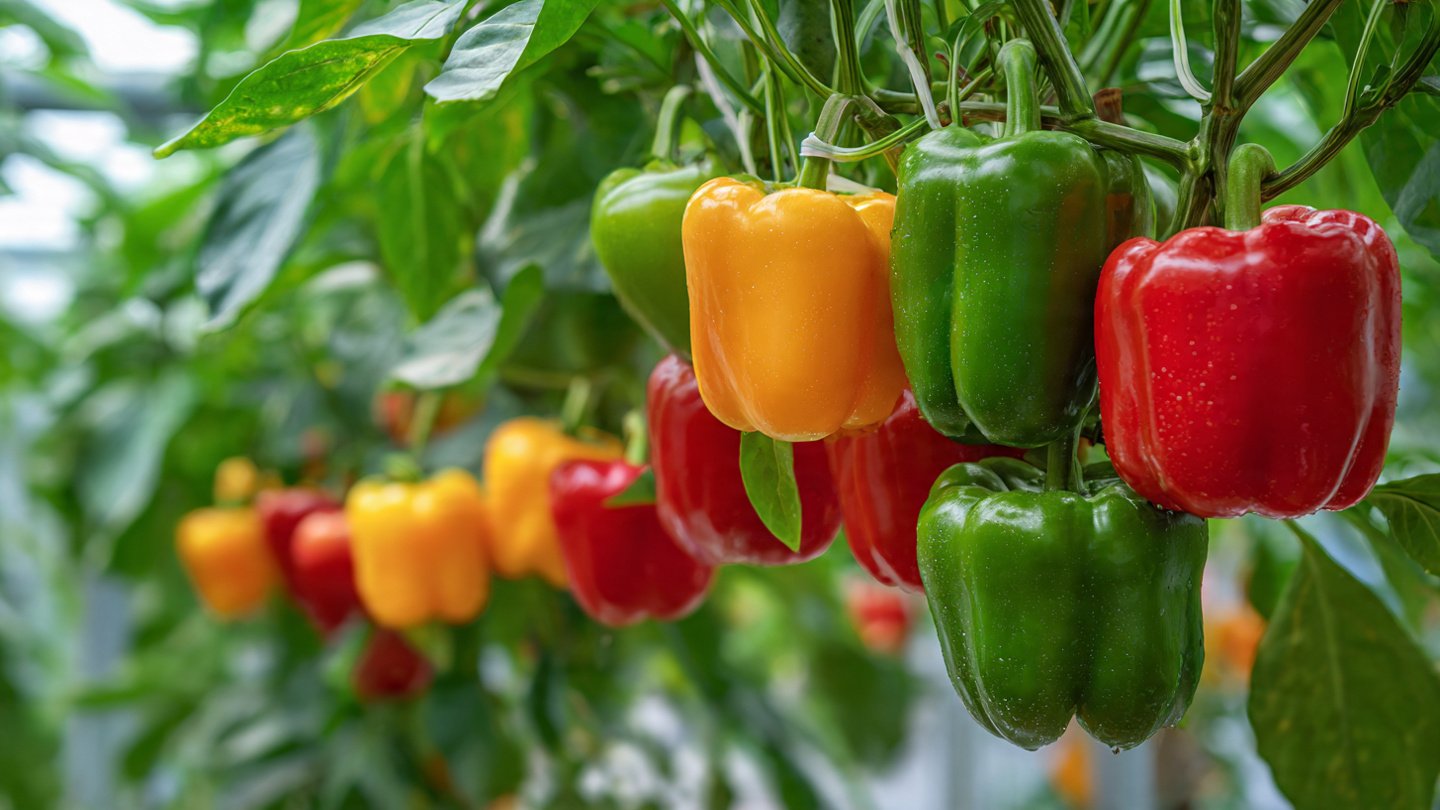
Bell peppers are one of the most versatile vegetables to grow at home. Their vibrant colors, crisp texture, and sweet flavor make them ideal for salads, stir-fries, sauces, and snacks. However, many gardeners are limited by space, making traditional garden beds impractical. The hanging bottle garden method offers a creative, space-saving solution, allowing anyone to grow bell peppers at home—even on balconies or small terraces—while achieving high yields. This guide provides a step-by-step approach to setting up a hanging bottle garden and maximizing your bell pepper harvest.
Why Choose a Hanging Bottle Garden?
The hanging bottle garden is a form of vertical gardening, where recycled plastic bottles are transformed into individual planters suspended in the air. This method has multiple benefits:
- Space-saving: Ideal for apartments, small patios, or balconies.
- Cost-effective: Uses recycled plastic bottles instead of expensive pots or planters.
- Improved airflow: Reduces the risk of fungal diseases and promotes healthier plants.
- Easy maintenance: Plants are at eye level, making watering, fertilizing, and harvesting easier.
- Higher yield: With proper care, each bottle can support vigorous growth, producing more fruit per plant.
This method combines sustainability, practicality, and productivity for home gardeners.
Materials Needed for a Hanging Bottle Garden
To create a hanging bottle garden for bell peppers, you will need:
- Plastic bottles: 1.5–2 liters are ideal. Clear bottles allow light for seedlings, while colored bottles can reduce algae growth.
- Scissors or a knife: For cutting the bottles and creating openings for planting.
- Rope, twine, or wire: To hang the bottles securely.
- Potting mix: A nutrient-rich, well-draining soil blend.
- Drip tray or small dish: Optional, to catch excess water.
- Hooks or a sturdy frame: To support the hanging system.
By repurposing plastic bottles, this system is both environmentally friendly and cost-efficient.
Selecting the Right Bell Pepper Varieties
Not all bell peppers are suitable for bottle gardens. Compact or dwarf varieties are best for container or vertical growing:
- Gypsy Bell: Compact plant with high yield.
- California Wonder: Produces large, sweet fruits ideal for containers.
- Sweet Chocolate or Red Knight: Adapted for pots and hanging systems.
Choosing the right variety ensures healthy growth and maximizes fruit size and yield.
Preparing the Bottles for Planting
Proper preparation of the bottles is essential for plant health:
- Cut openings: Cut a vertical slit on the side of the bottle for planting the seedling. Leave enough soil space and root room inside.
- Create drainage holes: Puncture small holes at the bottom to allow excess water to drain.
- Attach hanging supports: Make holes at the top or sides of the bottle for rope or wire to hang securely.
- Sterilize bottles: Wash thoroughly to remove residues and reduce disease risk.
Well-prepared bottles provide a stable environment for bell pepper roots, promoting strong growth.
Preparing the Soil
Bell peppers thrive in well-draining, nutrient-rich soil. A recommended mix for bottle gardens includes:
- 50% garden soil or topsoil
- 30% compost or well-rotted manure
- 20% coco peat, perlite, or sand for drainage and aeration
This mixture provides essential nutrients, retains moisture, and allows roots to grow freely within the limited container space.
Planting Bell Peppers in Bottles
You can use seedlings for faster results:
- Transplant seedlings: Carefully remove from nursery pots, keeping the root ball intact.
- Planting depth: Place seedlings inside the prepared bottle, filling with soil around the roots.
- Spacing: One plant per bottle is ideal to avoid competition.
- Watering: Water immediately after planting to settle the soil and reduce transplant shock.
Once planted, hang the bottles in a location receiving 6–8 hours of sunlight daily, as peppers need full sun for vigorous growth and flowering.
Supporting the Plants
Although dwarf varieties remain compact, bell peppers can produce heavy fruits that stress the stems. Support methods include:
- Attaching small sticks inside the bottle to support the main stem.
- Using soft ties or twine to secure the plant without damaging it.
- Ensuring the hanging system is stable to prevent swinging or tipping.
Proper support allows plants to grow strong and bear large, healthy fruits.
Watering and Fertilization
Bell peppers in bottles dry out faster than those in the ground, so careful watering is essential:
- Water deeply every 2–3 days, depending on weather and humidity.
- Avoid waterlogging, which can cause root rot.
- Use liquid fertilizer every 2 weeks to provide nutrients, especially when flowering and fruiting.
- Fertilizers high in phosphorus and potassium encourage fruit development, while nitrogen promotes leafy growth.
Consistent watering and feeding are crucial for achieving big, healthy peppers.
Mulching and Temperature Control
Mulching helps maintain moisture and reduce temperature fluctuations:
- Add a thin layer of straw, dry leaves, or shredded bark on top of the soil inside each bottle.
- Mulch prevents soil from drying out too quickly and protects roots from heat.
In hot climates, bottles can overheat in direct sun. Move plants to partial shade during peak midday hours if necessary.
Pollination for Higher Yields
Bell peppers produce both male and female flowers, requiring pollination for fruit development:
- In outdoor settings, bees often handle pollination naturally.
- In indoor or balcony systems, hand pollination can increase fruit set. Use a small brush to transfer pollen from male flowers to female flowers.
- Regular pollination ensures higher yields and better-quality fruits.
Common Problems and Solutions
Even in bottle gardens, peppers can face challenges:
- Yellowing leaves: Usually caused by nutrient deficiency. Feed with balanced fertilizer.
- Blossom drop: Caused by heat stress or irregular watering. Maintain consistent moisture and protect from extreme temperatures.
- Pests: Aphids, whiteflies, or spider mites may attack. Use neem oil or insecticidal soap.
- Fungal issues: Avoid wetting leaves when watering and ensure good airflow around plants.
Monitoring and early intervention help maintain healthy, productive plants.
Harvesting Bell Peppers
- Pick peppers when they reach their full size and color.
- Use a sharp knife or scissors to avoid damaging the plant.
- Regular harvesting encourages continued flowering and fruiting.
With proper care, a hanging bottle garden can produce multiple peppers per plant over the growing season.
Advantages of Hanging Bottle Gardens
Hanging bottle gardens are perfect for urban and small-space gardeners:
- Allow high-density planting in vertical spaces.
- Plants are easier to manage, water, and fertilize.
- Improved airflow reduces disease risk.
- Provides a decorative, colorful garden feature.
- Produces big, healthy bell peppers without requiring a traditional garden.
This system combines sustainability, practicality, and high productivity for home growers.
Conclusion
A hanging bottle garden is a smart, affordable, and space-saving way to grow bell peppers at home. By recycling plastic bottles, preparing nutrient-rich soil, and carefully managing water, fertilizer, and support, you can achieve high yields of vibrant, healthy peppers. This method is perfect for urban dwellers, balcony gardeners, and anyone seeking to maximize space while enjoying fresh, homegrown vegetables. With patience, proper care, and creativity, your hanging bottle garden can provide a continuous supply of delicious bell peppers throughout the growing season.