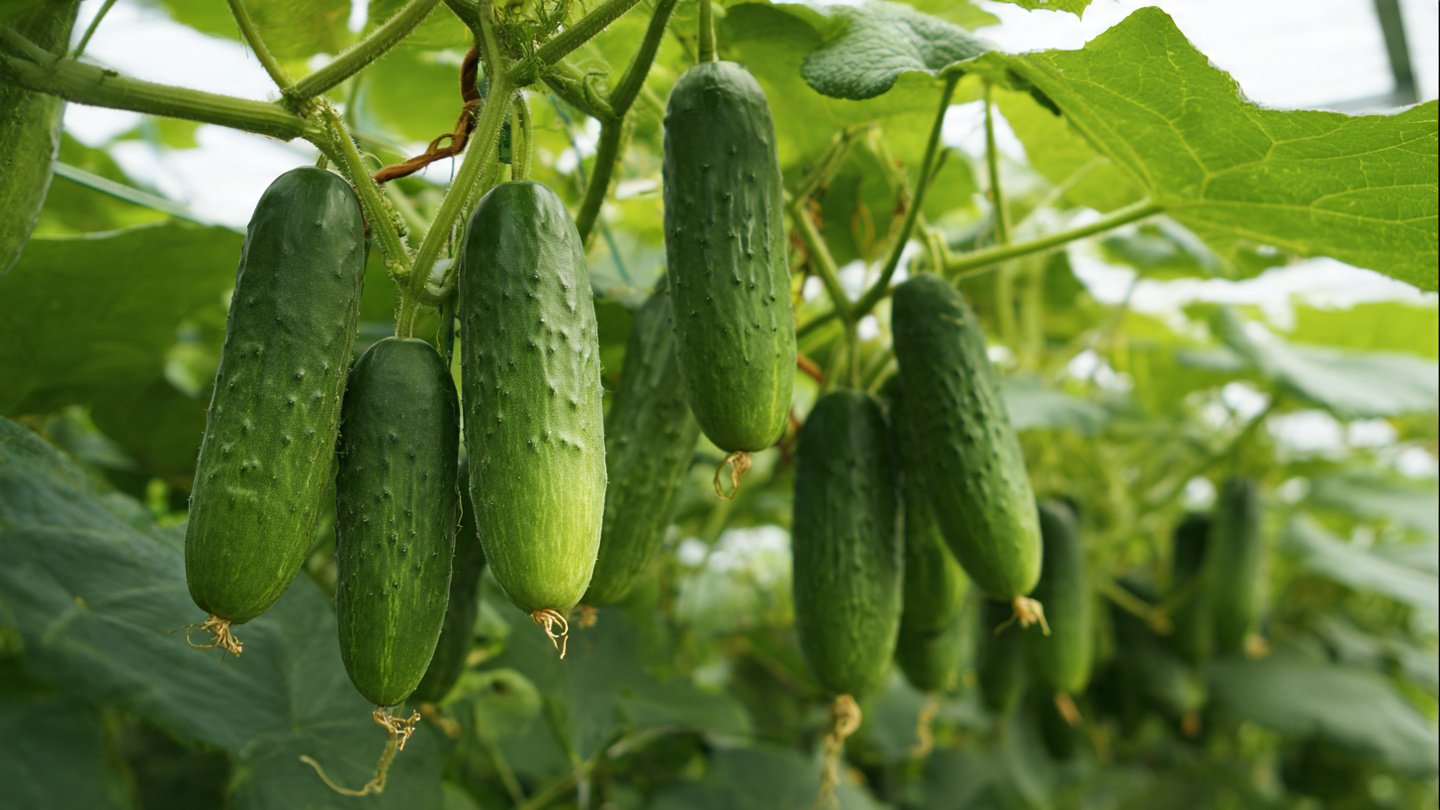
Cucumbers are one of the most satisfying vegetables to grow at home. Their crisp texture, refreshing flavor, and versatility in salads, pickles, and snacks make them a favorite among home gardeners. Yet, achieving perfect cucumbers—straight, uniform, and abundant—can sometimes feel tricky. Factors like soil quality, sunlight, water, and pest control all play a role in whether your cucumbers thrive or struggle.
This comprehensive guide unveils the secrets to growing perfect cucumbers and provides step-by-step strategies to ensure a healthy, high-yielding harvest.
Why Cucumbers Are a Popular Choice for Home Gardens
Cucumbers are easy to grow, fast-producing, and highly rewarding. They can thrive in gardens, raised beds, or even containers, making them ideal for small-space gardening. Cucumbers also provide nutritional benefits, including hydration, low calories, and vitamins such as K and C.
For home gardeners, the satisfaction of picking crisp cucumbers straight from your garden is unparalleled. However, producing cucumbers that are visually perfect and delicious requires attention to several key factors.
Choosing the Right Cucumber Variety
The first step to a successful cucumber harvest is selecting the right variety. Cucumbers come in two main types:
- Slicing Cucumbers – Ideal for fresh eating. They are usually longer, uniform in shape, and have a smoother skin. Examples include ‘Marketmore’ and ‘Straight Eight.’
- Pickling Cucumbers – Shorter, thicker, and slightly bumpier skin, perfect for making pickles. Popular varieties include ‘Boston Pickling’ and ‘National Pickling.’
For small spaces, consider bush varieties that don’t require extensive trellising. For vertical gardens or open plots, vining varieties produce higher yields per square foot.
Selecting the Best Planting Site
Cucumbers thrive in full sun, requiring at least 6–8 hours of direct sunlight per day. Adequate sunlight ensures vigorous growth, proper flowering, and sweeter, crisper fruit.
Choose a site with well-draining soil rich in organic matter. Cucumbers prefer slightly acidic to neutral soil (pH 6.0–7.0). Avoid planting in low-lying areas where water might accumulate, as soggy soil can lead to root rot.
Preparing the Soil
Healthy soil is the foundation of perfect cucumbers. Before planting:
- Amend the soil with compost or well-rotted manure to improve fertility.
- Test soil pH and adjust if necessary with lime (to raise pH) or sulfur (to lower pH).
- Ensure good drainage by adding sand or perlite to heavy clay soils.
Cucumbers are heavy feeders, so nutrient-rich soil supports strong vines and abundant fruit.
Planting Cucumbers Correctly
You can start cucumbers from seeds or transplants:
- Direct sowing works well in warm climates. Plant seeds 1 inch deep and 6–12 inches apart.
- Transplants give a head start in cooler regions. Harden off seedlings for a week before planting outdoors.
Spacing is critical. Crowded plants compete for sunlight and nutrients, which can result in crooked or stunted cucumbers. For vining varieties, provide trellises to support vertical growth and keep fruits off the soil.
Watering Secrets for Crisp Cucumbers
Consistent watering is essential. Cucumbers have shallow roots and are sensitive to water stress:
- Water deeply 1–2 times a week, keeping the soil evenly moist.
- Avoid overhead watering, which can promote fungal diseases; instead, water at the base of the plant.
- Mulch around the plants to retain moisture, regulate soil temperature, and reduce weed growth.
Fluctuating water levels can cause cucumbers to become bitter, misshapen, or hollow.
Fertilization Tips for High-Yield Cucumbers
Cucumbers need plenty of nutrients, especially nitrogen for foliage, phosphorus for roots, and potassium for fruit development.
- Apply a balanced organic fertilizer at planting.
- Side-dress with compost or liquid fertilizer every 2–3 weeks during the growing season.
- Avoid over-fertilizing nitrogen late in the season, as it encourages leafy growth at the expense of fruit.
Healthy nutrition is crucial for producing straight, uniform cucumbers with excellent flavor.
Pruning and Training Cucumbers
Pruning and proper training can improve airflow, sunlight penetration, and fruit quality:
- For vining varieties, train the vines onto a trellis or fence to save space and reduce disease risk.
- Remove yellowing or diseased leaves promptly.
- Pinch off lateral shoots if plants become overcrowded to focus energy on main vines.
Vertical growth also makes harvesting easier, as cucumbers hang visibly and don’t touch the soil, reducing rot.
Pollination for Maximum Fruit Set
Cucumbers have separate male and female flowers, so pollination is essential for fruit production. Natural pollinators like bees do most of the work, but you can assist:
- Hand-pollinate by transferring pollen from male flowers to female flowers using a small brush or cotton swab.
- Encourage pollinators by planting flowers nearby, such as marigolds or nasturtiums.
Good pollination ensures cucumbers develop fully and uniformly.
Pest and Disease Management
Common cucumber pests include aphids, cucumber beetles, and spider mites. Diseases such as powdery mildew, downy mildew, and bacterial wilt can also affect yields.
- Inspect plants regularly and remove pests by hand or with organic sprays like neem oil.
- Use row covers for young plants to protect against insects.
- Space plants properly and prune for airflow to reduce fungal disease risk.
Healthy plants are more resistant to pests and diseases, increasing the likelihood of perfect cucumbers.
Harvesting Cucumbers at the Right Time
Timing is critical for perfect cucumbers:
- Harvest when cucumbers are firm, evenly green, and the right size for the variety.
- Check daily during peak season; leaving cucumbers too long can result in bitterness or overripe fruit.
- Use a sharp knife or scissors to cut fruit rather than pulling, which can damage the vine.
Frequent harvesting encourages the plant to produce more fruits throughout the season.
Common Mistakes to Avoid
- Overcrowding plants – leads to poor airflow and crooked fruits.
- Inconsistent watering – causes bitterness or hollow fruits.
- Ignoring pests – can lead to stunted or damaged cucumbers.
- Late or improper fertilization – affects fruit size and uniformity.
By avoiding these mistakes, gardeners can maximize yield and quality.
Final Thoughts
Growing perfect cucumbers is a combination of careful planning, proper care, and attention to detail. By selecting the right variety, preparing rich soil, watering consistently, supporting vines, managing pests, and harvesting at the right time, you can enjoy crispy, flavorful cucumbers throughout the season.
Even beginner gardeners can achieve professional-level results with patience and observation. Once you unlock these secrets, your cucumber harvests will be abundant, healthy, and perfectly suited for salads, pickles, and snacks.