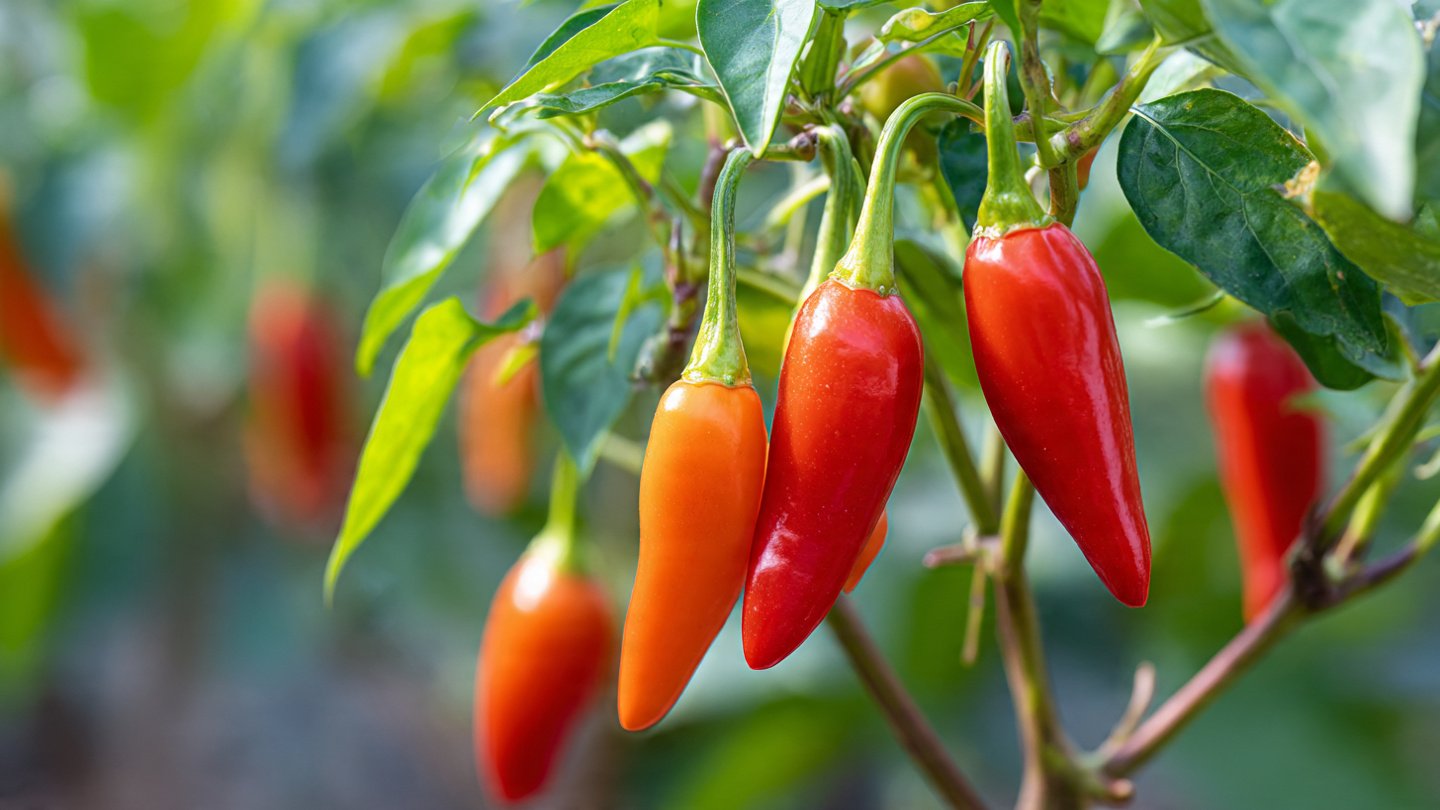
For gardeners who love a little heat in their meals, growing chili peppers at home is incredibly rewarding. Not only do homegrown chilies pack more flavor and heat than store-bought varieties, but with the right techniques, you can enjoy a continuous harvest all year. From choosing the right varieties to understanding soil, light, and watering requirements, this guide provides step-by-step instructions to grow spicy chilies successfully and keep your kitchen stocked with fiery flavor throughout the seasons.
Why Grow Chilies at Home?
Growing your own chilies offers several benefits:
- Superior flavor: Homegrown chilies are fresher and more flavorful than store-bought ones.
- Custom heat levels: You can choose mild, medium, or fiery varieties depending on your taste.
- Cost-effective: Growing your own chilies saves money compared to buying fresh peppers.
- Chemical-free: You control fertilizers and pesticides, ensuring safe produce.
- Continuous harvest: With proper care, a single plant can produce for months.
By mastering chili care, you’ll have a steady supply for cooking, pickling, or even sharing with friends.
Choosing the Right Chili Varieties
The first step for a year-round harvest is selecting the right chili varieties:
- Bell or sweet peppers: Mild heat, ideal for salads and stuffing.
- Bird’s eye chilies: Small but extremely hot, perfect for curries.
- Jalapeños: Medium heat, versatile for cooking and sauces.
- Cayenne: Long, thin, and very spicy, great for drying.
- Hybrid varieties: Designed for high yields and disease resistance.
Choose varieties suited to your climate and growing conditions for the best results.
Ideal Growing Conditions
Chilies are tropical plants and thrive under warm, sunny conditions:
- Temperature: 20–32°C is ideal for growth; avoid frost.
- Sunlight: At least 6–8 hours of direct sunlight per day.
- Soil: Well-draining, fertile soil with a pH of 6.0–7.0.
- Air circulation: Prevents fungal diseases and promotes healthy foliage.
If you live in cooler climates, indoor growing or greenhouse setups allow for year-round cultivation.
Planting Chilies
From Seeds
- Soak seeds in water for 24 hours to improve germination.
- Sow seeds 0.5–1 cm deep in seed trays filled with light, well-draining soil.
- Keep soil moist and warm until germination (7–14 days).
- Transplant seedlings when they have 2–3 true leaves.
From Seedlings
- Choose healthy seedlings with strong stems.
- Plant in garden beds or containers, spacing 30–45 cm apart.
- Ensure roots are well covered and watered after transplanting.
Tip: Using containers allows you to move plants indoors during extreme weather, ensuring a continuous harvest.
Soil Preparation
Healthy soil is the foundation for spicy chilies:
- Mix garden soil with compost or well-rotted manure.
- Add organic fertilizers like neem cake or vermicompost to promote steady growth.
- Ensure good drainage to prevent root rot.
- Mulch around the base of plants to retain moisture and regulate soil temperature.
Nutrient-rich soil encourages strong plants and abundant fruiting.
Watering and Fertilizing
Chilies require consistent moisture but dislike soggy soil:
- Water deeply 2–3 times per week, more often during hot, dry periods.
- Avoid overhead watering to prevent leaf diseases.
- Fertilize regularly with a balanced NPK fertilizer. Use a higher potassium fertilizer once flowering begins to boost fruit development.
Tip: Feed plants every 2–3 weeks with liquid fertilizer or compost tea for continuous growth and fruiting.
Training and Pruning
Pruning chili plants improves airflow and encourages continuous fruiting:
- Pinch off early flowers to strengthen the plant during its vegetative stage.
- Remove weak or yellowing leaves to prevent disease.
- Prune side shoots sparingly to focus energy on fruit production.
- Support taller varieties with stakes or trellises to prevent bending under heavy fruit loads.
Proper pruning ensures healthier plants and a more productive harvest.
Pollination Tips
Chili plants produce both male and female flowers on the same plant, but flowers need pollination to set fruit:
- Attract pollinators such as bees by planting companion flowers nearby.
- Hand pollination can be done with a small brush or by gently shaking the plant.
- Morning is the best time for pollination when flowers are open.
Successful pollination leads to more fruits and fewer misshapen chilies.
Controlling Pests and Diseases
Chilies are prone to pests and fungal diseases if not monitored:
- Aphids and whiteflies: Spray neem oil or insecticidal soap.
- Spider mites: Keep leaves clean and mist plants occasionally.
- Fungal infections: Ensure proper spacing, avoid overhead watering, and prune affected leaves promptly.
Preventive care is far more effective than treating problems after they appear.
Continuous Harvest Techniques
To maintain a year-round harvest:
- Stagger planting: Sow seeds every 4–6 weeks to ensure new plants are ready as older plants slow production.
- Container growing: Move plants indoors or into a greenhouse during extreme weather.
- Regular harvesting: Pick ripe chilies frequently; leaving them on the plant too long can slow new fruit development.
- Fertilizer rotation: Apply a nitrogen boost during vegetative growth, then switch to potassium-rich feed during flowering and fruiting.
By following these techniques, your chili plants will produce consistently and abundantly.
Harvesting Chilies
- Harvest chilies when they reach the desired color and size. Most varieties change color from green to red, yellow, or orange when fully ripe.
- Use scissors or pruning shears to avoid damaging the plant.
- Regular harvesting encourages continuous flowering and fruiting.
Tip: Overripe chilies can reduce the plant’s energy for new fruit, so timely harvest is essential.
Storage and Use
Freshly harvested chilies can be:
- Used immediately in cooking for maximum flavor.
- Dried for long-term storage.
- Pickled or frozen for later use.
Homegrown chilies maintain their heat and flavor better than store-bought ones, making them a versatile ingredient year-round.
Final Thoughts
Growing spicy chilies at home is easier than most gardeners think, and with proper care, you can enjoy a continuous harvest throughout the year. By choosing suitable varieties, providing optimal growing conditions, watering consistently, supporting plants, and harvesting regularly, you can enjoy fresh, flavorful chilies whenever you need them.
Whether you use them in cooking, pickling, or sauces, homegrown chilies offer unmatched taste, heat, and satisfaction. With these proven techniques, your garden can produce a fiery bounty all year, turning even the smallest space into a hot pepper haven.