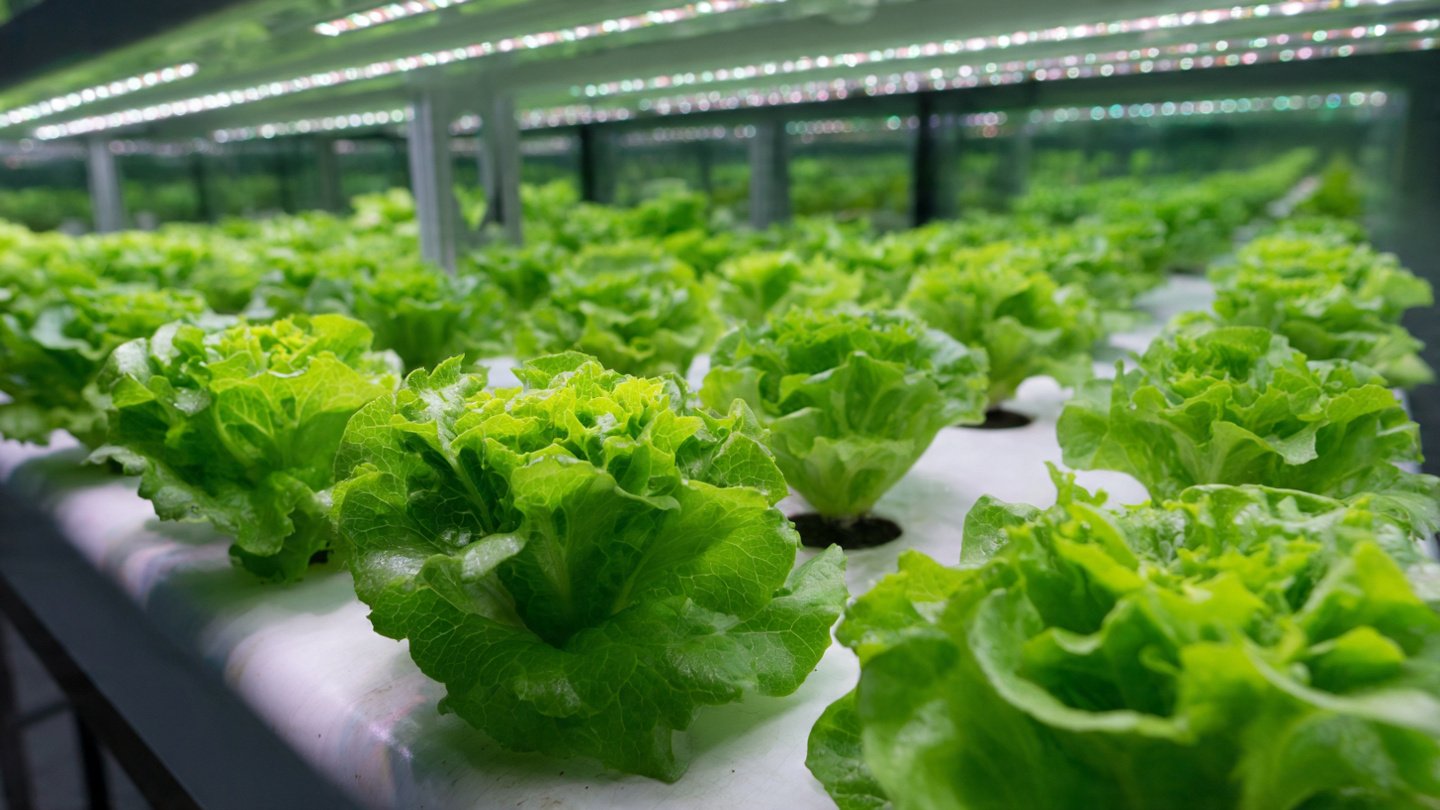
Not everyone has the luxury of a backyard or a garden, yet many people dream of growing their own fresh vegetables. Whether you live in an apartment, have limited outdoor space, or want to cultivate food year-round indoors, innovative methods now make it possible to grow healthy, nutritious vegetables without a traditional garden. This article explores a surprising and effective approach that combines container gardening, vertical systems, and smart growing techniques to bring fresh produce straight into your home.
Why Grow Vegetables Without a Garden?
Growing vegetables at home has numerous benefits, even if you lack a traditional garden:
- Freshness and Nutrition: Homegrown vegetables are fresher and retain more nutrients than store-bought ones.
- Chemical-Free Produce: You control fertilizers and pest management, ensuring chemical-free food.
- Sustainability: Growing your own vegetables reduces reliance on transported produce and lowers your carbon footprint.
- Cost Savings: Even a small indoor garden can reduce grocery bills over time.
- Therapeutic Benefits: Gardening improves mental health, reduces stress, and connects you with nature.
Even in small apartments or urban spaces, innovative methods can allow anyone to enjoy the satisfaction of growing vegetables.
The Innovative Method: Container and Vertical Gardening
One of the most effective ways to grow vegetables without a garden is through container and vertical gardening. This method makes use of pots, boxes, hanging baskets, and vertical structures to grow plants in limited spaces such as balconies, windowsills, rooftops, or even indoor corners.
Advantages of container and vertical gardening include:
- Maximizing space by growing upward rather than outward.
- Easy to control soil quality, drainage, and nutrients.
- Mobility, allowing plants to be moved for sunlight or weather protection.
- Reduced exposure to pests common in traditional garden beds.
Choosing the Right Vegetables
Not all vegetables are suitable for small-space or container gardening. Focus on compact, fast-growing, and high-yielding varieties, such as:
- Leafy greens: Spinach, lettuce, kale, and arugula.
- Herbs: Basil, mint, coriander, parsley, and chives.
- Compact fruiting plants: Cherry tomatoes, peppers, radishes, and dwarf eggplants.
- Climbing vegetables: Beans, peas, and cucumbers that can grow vertically using trellises or netting.
Selecting the right varieties ensures success, especially when space is limited.
Choosing Containers
Containers can be as simple or creative as you like, including:
- Plastic pots or buckets with drainage holes
- Wooden boxes or crates lined with plastic
- Hanging baskets or vertical pocket planters
- Recycled containers such as old bottles or cartons
Ensure each container allows proper drainage and provides enough space for the plant’s root system. Deep containers are better for root-heavy vegetables like tomatoes or carrots, while shallow containers work well for leafy greens.
Preparing the Growing Medium
Healthy soil is key to thriving vegetables. A good container mix should be:
- Well-draining to prevent waterlogging
- Nutrient-rich to support rapid growth
- Lightweight for easy mobility
A simple mix includes:
- 2 parts garden soil or topsoil
- 1 part compost or well-rotted manure
- 1 part coco peat, perlite, or sand for aeration
This combination provides nutrients, moisture retention, and proper drainage.
Planting Techniques
Seed Sowing: Start with seeds in small trays or pots. Once seedlings develop 2–4 true leaves, transplant them into larger containers.
Direct Planting: Some vegetables like lettuce, radishes, and beans can be directly sown into the containers.
Spacing: Even in limited spaces, proper spacing is essential to prevent overcrowding and ensure healthy airflow. Follow recommended spacing for each vegetable.
Watering and Care
Container vegetables require consistent watering because soil in pots dries faster than garden soil. Tips include:
- Water early in the morning or late evening to reduce evaporation.
- Keep the soil evenly moist, but avoid waterlogging.
- Mulch with straw or dry leaves to retain moisture and control temperature.
Fertilize every 2–3 weeks with organic compost, vermicompost tea, or diluted liquid fertilizers to replenish nutrients in limited soil volumes.
Maximizing Vertical Space
Vertical gardening helps increase yield in small areas. Methods include:
- Trellises or netting: Perfect for climbing beans, peas, and cucumbers.
- Hanging planters: Ideal for strawberries, herbs, or trailing greens.
- Stacked pots: Multiple levels of containers allow more plants in a smaller footprint.
- Wall-mounted pocket planters: Great for growing herbs and small leafy vegetables indoors.
By going vertical, you not only save space but also improve sunlight exposure and airflow for your plants.
Indoor Gardening Tips
If growing indoors, additional considerations include:
- Sunlight: Vegetables need at least 4–6 hours of bright light daily. Use south-facing windows or supplement with LED grow lights.
- Air circulation: Prevent mold and pests by ensuring good airflow.
- Temperature control: Most vegetables prefer 18–30°C. Avoid extreme heat or cold near windows or doors.
Indoor container gardening allows year-round cultivation of vegetables, especially in apartments or regions with harsh climates.
Pest and Disease Management
Even without a garden, pests and diseases can occur. Use these preventive measures:
- Inspect plants regularly for aphids, mites, or fungal infections.
- Use natural remedies like neem oil, garlic spray, or insecticidal soap.
- Avoid overcrowding and ensure proper watering to reduce fungal growth.
- Remove dead leaves promptly to prevent disease spread.
Preventive care reduces the need for chemical interventions.
Harvesting Your Vegetables
Harvesting times vary by vegetable:
- Leafy greens: Pick outer leaves when mature; this encourages continuous growth.
- Fruit vegetables: Harvest tomatoes, peppers, and beans when fully ripe for best taste.
- Herbs: Regular trimming promotes bushier growth.
Harvesting regularly not only provides fresh produce but also encourages further growth.
Benefits of This Innovative Method
Growing vegetables without a traditional garden offers several advantages:
- Flexibility: Grow anywhere—balconies, terraces, rooftops, or indoors.
- Productivity: Vertical and container systems maximize yield per square foot.
- Sustainability: Uses minimal soil and water, reducing waste and environmental impact.
- Accessibility: Makes home gardening possible for urban dwellers and apartment residents.
By embracing this approach, anyone can enjoy fresh, healthy vegetables year-round without a traditional garden.
Final Thoughts
The surprising and innovative method of growing vegetables without a garden opens up endless possibilities for urban gardeners, apartment dwellers, and small-space enthusiasts. With container gardening, vertical systems, and proper care, you can cultivate a thriving, chemical-free vegetable garden right at home. From leafy greens to fruiting plants, this method maximizes space, reduces pests, and delivers fresh, nutritious food for your family. Start small, experiment with different containers and vegetables, and enjoy the satisfaction of growing your own healthy produce without needing a backyard garden.