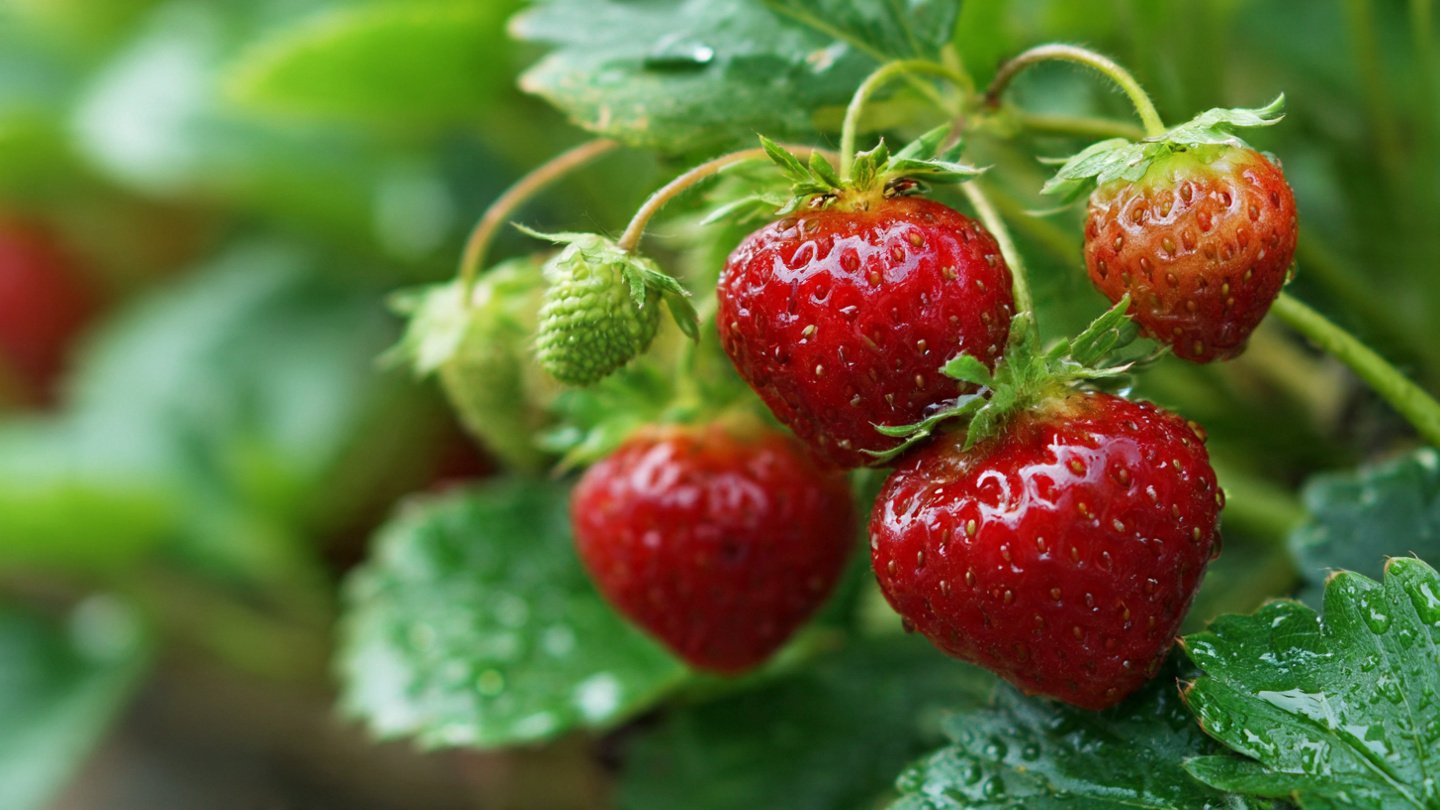
Strawberries are one of the most rewarding fruits to grow at home. Sweet, juicy, and full of nutrients, they are a favorite in gardens worldwide. Most gardeners know you can propagate strawberries from runners, but did you know it’s also possible to grow new plants from leaves? Leaf propagation is a simple, beginner-friendly technique that can multiply your strawberry plants without buying extra seedlings, giving you a bigger harvest over time.
This guide will walk you through everything you need to know to successfully grow strawberries from leaves using simple home techniques.
Why Grow Strawberries from Leaves?
Leaf propagation is a form of asexual plant propagation, meaning it produces new plants genetically identical to the parent. While strawberries naturally reproduce through runners, using leaves allows you to:
- Multiply your favorite varieties quickly
- Save money by reducing the need to buy new plants
- Increase overall fruit production
- Experiment with small indoor or balcony setups
When done correctly, leaf propagation produces strong, healthy strawberry plants capable of producing a full harvest within a year.
Understanding Strawberry Leaf Propagation
Strawberry plants have the remarkable ability to regenerate. Each leaf contains cells that can form roots and shoots under the right conditions. By carefully encouraging these cells to grow, you can produce new plants even without runners.
There are two main approaches for leaf propagation:
- Direct rooting in soil – placing leaves directly into nutrient-rich, moist soil
- Water propagation – allowing leaves to develop roots in water before transferring to soil
Both methods are effective and can be done at home with minimal tools.
Choosing the Right Leaves
The success of leaf propagation starts with selecting healthy leaves from your parent plant.
Tips for choosing leaves:
- Pick mature but young leaves—not too old, not too tender
- Look for disease-free leaves without spots or discoloration
- Avoid damaged or wilted leaves
- Select leaves with at least one node, if possible, as roots form faster at nodes
Healthy leaves increase the chances of quick rooting and strong plant development.
Preparing Leaves for Propagation
- Wash gently: Rinse leaves under clean water to remove dust and pests.
- Trim if necessary: Remove any damaged edges.
- Optional rooting hormone: Dip the cut end or node in a natural rooting hormone or powder to speed up root growth.
Clean, prepared leaves provide the best foundation for new plants.
Step-by-Step Guide to Soil Propagation
Growing strawberries directly in soil is straightforward and reliable.
Materials needed:
- Potting soil or a mix of garden soil and compost
- Small pots or containers with drainage holes
- Water spray bottle
Procedure:
- Fill a small pot with moist, well-draining soil.
- Make a shallow hole or indent for the leaf base.
- Place the leaf with the cut end or node touching the soil.
- Gently press the soil around the leaf to hold it in place.
- Mist the soil lightly to maintain moisture without waterlogging.
- Place in bright, indirect sunlight.
Within 2–4 weeks, roots will begin to develop. Once established, new shoots will appear, eventually forming a full strawberry plant.
Step-by-Step Guide to Water Propagation
Water propagation allows you to monitor root growth before transferring the leaf to soil.
Materials needed:
- Clean glass or jar
- Fresh water
- Parent strawberry leaf
Procedure:
- Fill a glass or jar with water.
- Place the leaf or leaf node in the water, making sure the base is submerged but leaves stay above water.
- Keep the container in indirect sunlight.
- Change water every 3–4 days to prevent stagnation and algae growth.
Roots usually appear within 1–3 weeks. Once the roots are 2–3 cm long, transplant the leaf carefully into soil to continue growing into a full plant.
Caring for Newly Propagated Strawberry Plants
New plants need careful attention to survive and thrive:
- Light: Provide bright, indirect sunlight initially; gradually introduce direct morning sun.
- Water: Keep soil consistently moist but not soggy.
- Temperature: Ideal range is 18–25°C; avoid extreme cold or heat.
- Fertilization: Use mild liquid fertilizer after the first few weeks to encourage growth.
- Airflow: Ensure proper ventilation to prevent fungal issues.
Proper care during this stage increases the likelihood of a strong, fruiting plant.
Transplanting to Garden or Larger Containers
Once the new strawberry plants have a well-developed root system and healthy leaves, they can be moved to larger pots, raised beds, or garden soil.
Transplant tips:
- Choose a sunny location with at least 6 hours of sunlight daily
- Ensure well-draining, fertile soil enriched with compost
- Space plants 20–30 cm apart to allow room for growth and runners
- Water thoroughly after transplanting and mulch to retain moisture
Transplanted plants will establish quickly and start producing runners of their own, further increasing your harvest.
Common Challenges and How to Overcome Them
Leaf decay or rot:
- Cause: Excessive moisture or poor airflow
- Solution: Use well-draining soil, mist instead of soaking, and provide airflow
Slow rooting:
- Cause: Low temperatures or weak leaves
- Solution: Keep leaves in warm conditions and use rooting hormone if needed
Pests or fungal problems:
- Cause: Overwatering or crowded conditions
- Solution: Monitor regularly and remove affected leaves; use organic sprays if necessary
Most issues can be prevented with careful observation and consistent care.
Tips for Maximizing Harvest
- Propagate multiple leaves at once to increase the number of plants
- Rotate new plants into garden beds or pots to ensure continuous production
- Keep parent plants healthy to produce more propagable leaves
- Mulch around plants to conserve moisture and reduce weeds
- Harvest fruit regularly to encourage ongoing flowering and fruiting
By multiplying your plants efficiently, you can enjoy a steady, abundant strawberry harvest throughout the growing season.
Final Thoughts
Growing strawberries from leaves is an easy and cost-effective method to expand your garden. With minimal tools and attention to detail, even beginner gardeners can propagate plants successfully and increase fruit production.
This technique allows you to multiply favorite varieties, save money, and enjoy more homegrown strawberries year after year. By providing healthy leaves, suitable conditions, and consistent care, you can turn a few leaves into a thriving patch of strawberry plants that reward you with sweet, juicy fruits and a flourishing garden.
Using these simple home techniques, leaf propagation becomes more than just a gardening experiment—it becomes a reliable method to maximize your strawberry harvest and enjoy fresh fruit straight from your garden.