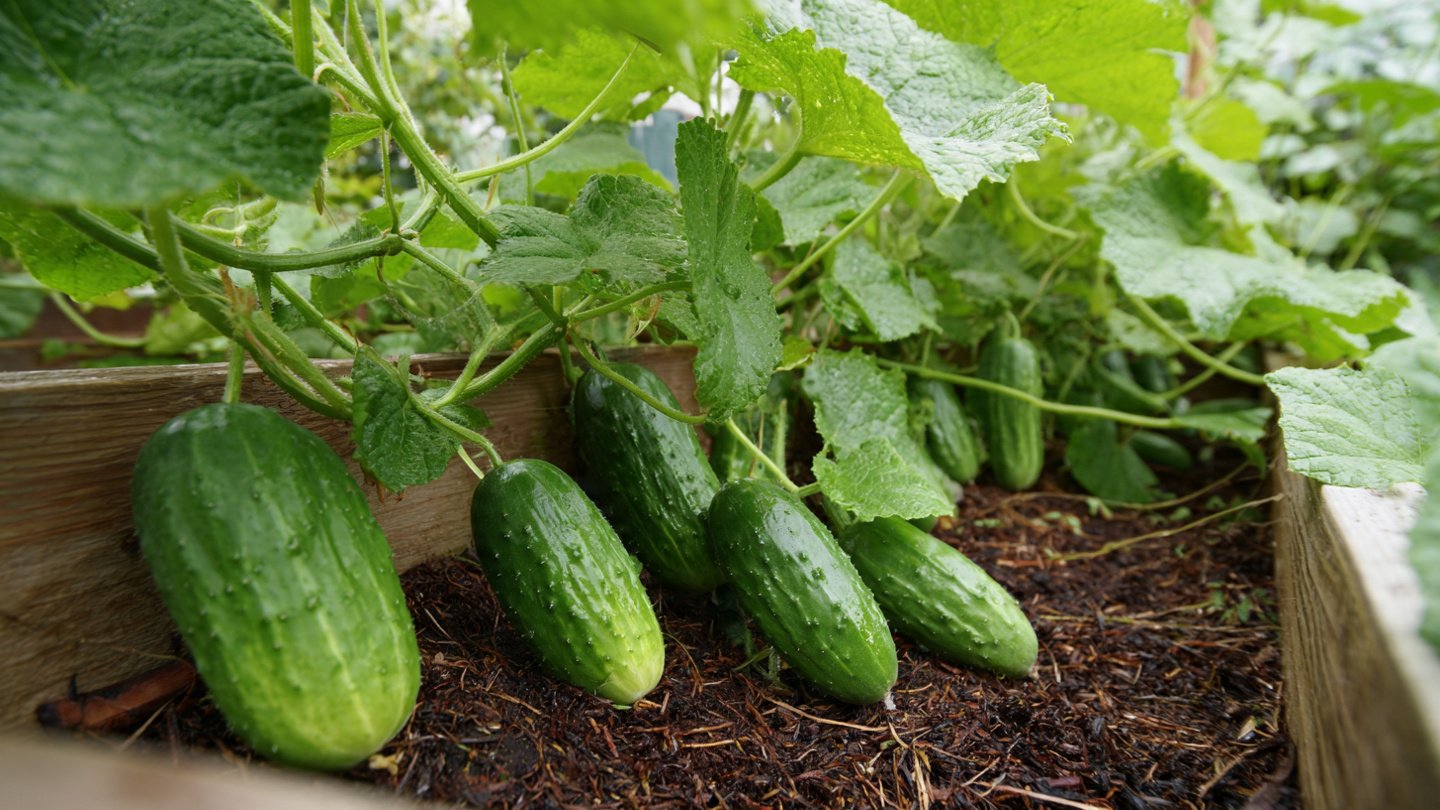
Cucumbers are one of the most refreshing and versatile vegetables you can grow at home. Crisp, juicy, and full of flavor, they are perfect for salads, pickles, and even fresh juices. The great news is you don’t need a large garden to enjoy a bountiful cucumber harvest—growing cucumbers in buckets is a practical, space-saving, and highly productive method. With the right care, you can achieve maximum yield while keeping your plants healthy and thriving.
This step-by-step guide will show you everything you need to know to grow cucumbers in buckets successfully, from selecting the right variety to harvesting juicy fruits.
Why Grow Cucumbers in Buckets?
Bucket gardening is ideal for cucumbers for several reasons:
- Space Efficiency: Perfect for balconies, terraces, patios, or small backyards.
- Soil Control: You can provide optimal soil composition for nutrient-rich, healthy plants.
- Mobility: Buckets can be moved to maximize sunlight or protect plants from harsh weather.
- Pest Management: Easier to monitor and control pests compared to open-ground planting.
- Maximum Yield: With proper care, cucumbers can thrive in containers and produce abundant fruits.
Step 1: Choose the Right Cucumber Variety
Not all cucumbers are suitable for bucket gardening. For container cultivation, choose compact, bush, or dwarf varieties rather than sprawling vines. Some recommended options include:
- Bush cucumber varieties
- Pickling cucumbers (compact types)
- Patio or container-specific hybrids
These varieties produce shorter vines that are easier to manage in a bucket while still yielding juicy fruits.
Step 2: Select the Right Bucket
The bucket size and type are crucial for cucumber health:
- Size: At least 10–15 liters (2.5–4 gallons) per plant
- Material: Plastic or metal buckets with drainage holes
- Drainage: Ensure there are multiple holes at the bottom to prevent waterlogging
If using recycled buckets, make sure they are clean and free of chemicals that may harm the plant.
Step 3: Prepare the Soil Mix
Cucumbers are heavy feeders and need nutrient-rich, well-draining soil. The ideal mix for bucket cucumbers:
- 40% garden soil or topsoil
- 30% compost or well-rotted manure
- 20% coco peat or peat moss (for water retention)
- 10% perlite or coarse sand (for drainage)
Mix all ingredients thoroughly before filling the bucket. Good soil ensures strong roots, healthy leaves, and juicy fruits.
Step 4: Planting Your Cucumbers
Plant cucumbers in the bucket as follows:
- Fill the bucket with soil mix, leaving 2–3 inches from the top.
- Sow seeds about 1 inch deep, or transplant a young seedling.
- Water gently but thoroughly to settle the soil.
- Place the bucket in a sunny location—cucumbers need 6–8 hours of direct sunlight daily.
If sowing multiple seeds, plant 2–3 per bucket and thin to the strongest plant after germination.
Step 5: Provide Proper Support
Cucumbers are natural climbers. Even bush varieties benefit from support to keep fruits off the soil and prevent rot. Options include:
- Trellises inserted into the bucket
- Bamboo sticks or vertical poles
- Netting or string support
Training the vines upwards encourages better airflow, reduces disease risk, and makes harvesting easier.
Step 6: Watering for Maximum Yield
Cucumbers are thirsty plants, especially in containers. Proper watering ensures juicy fruits:
- Water deeply every day in hot weather or every 2–3 days in cooler climates.
- Keep the soil consistently moist, but avoid waterlogging.
- Mulch the soil surface with straw or dried leaves to retain moisture.
Tip: Morning watering is ideal to prevent fungal diseases on wet leaves.
Step 7: Feeding and Fertilizing Your Bucket Cucumbers
Cucumbers require regular nutrition for maximum yield. Use a combination of organic and chemical fertilizers:
- Organic: Compost, vermicompost, or liquid manure every 2–3 weeks
- Balanced fertilizer: NPK (Nitrogen-Phosphorus-Potassium) mix every 3–4 weeks
During flowering and fruiting stages, provide a higher potassium fertilizer to boost fruit production and sweetness.
Step 8: Pest and Disease Management
Container-grown cucumbers are less prone to pests than garden plants, but vigilance is important. Common issues include:
- Aphids: Remove by hand or use neem oil spray
- Powdery mildew: Ensure proper spacing and airflow, spray baking soda solution if needed
- Whiteflies or spider mites: Regular inspection and natural sprays work well
Early detection and consistent care help maintain strong growth and high yield.
Step 9: Pollination for Better Fruits
Cucumbers produce male and female flowers. In outdoor conditions, pollination occurs naturally via bees. For balcony or indoor setups:
- Hand-pollinate by gently transferring pollen from male to female flowers using a small brush
- Ensure multiple flowers are pollinated for maximum fruit set
Proper pollination ensures your cucumbers grow full and juicy instead of small and deformed.
Step 10: Harvesting Juicy Cucumbers
Cucumbers grow fast—some varieties can be ready to harvest within 50–60 days. Signs they are ready:
- Firm texture
- Bright green skin without yellow spots
- Smooth surface (avoid overgrown, bitter-tasting cucumbers)
Harvest regularly to encourage continuous production. Frequent picking also prevents fruits from becoming oversized and reduces vine stress.
Tips for Maximum Yield in Buckets
- Rotate buckets: Move them occasionally to maximize sunlight exposure.
- Prune weak vines: Focus energy on strong branches for better fruiting.
- Use liquid fertilizer: Boost growth during peak fruiting periods.
- Check drainage: Excess water can lead to root rot, which kills productivity.
- Keep an eye on leaves: Healthy foliage = juicy, flavorful cucumbers.
Advantages of Bucket Gardening for Cucumbers
- Space-saving: Ideal for apartments or small gardens
- Fewer weeds: Less competition for nutrients
- Soil control: Reduce the risk of poor-quality soil
- Mobility: Protect plants from extreme weather
- Higher yield: Optimized conditions increase fruit production
Final Thoughts
Growing cucumbers in buckets is a rewarding and efficient method to enjoy fresh, juicy cucumbers at home. By following these steps—choosing the right variety, using the perfect soil mix, providing support, watering properly, feeding regularly, and protecting against pests—you can achieve maximum yield in a limited space.
With consistent care and attention, your bucket-grown cucumbers will thrive, producing crisp, flavorful fruits for your family and friends. This method proves that you don’t need a large garden to enjoy a bountiful harvest—just the right bucket, soil, and gardening know-how.