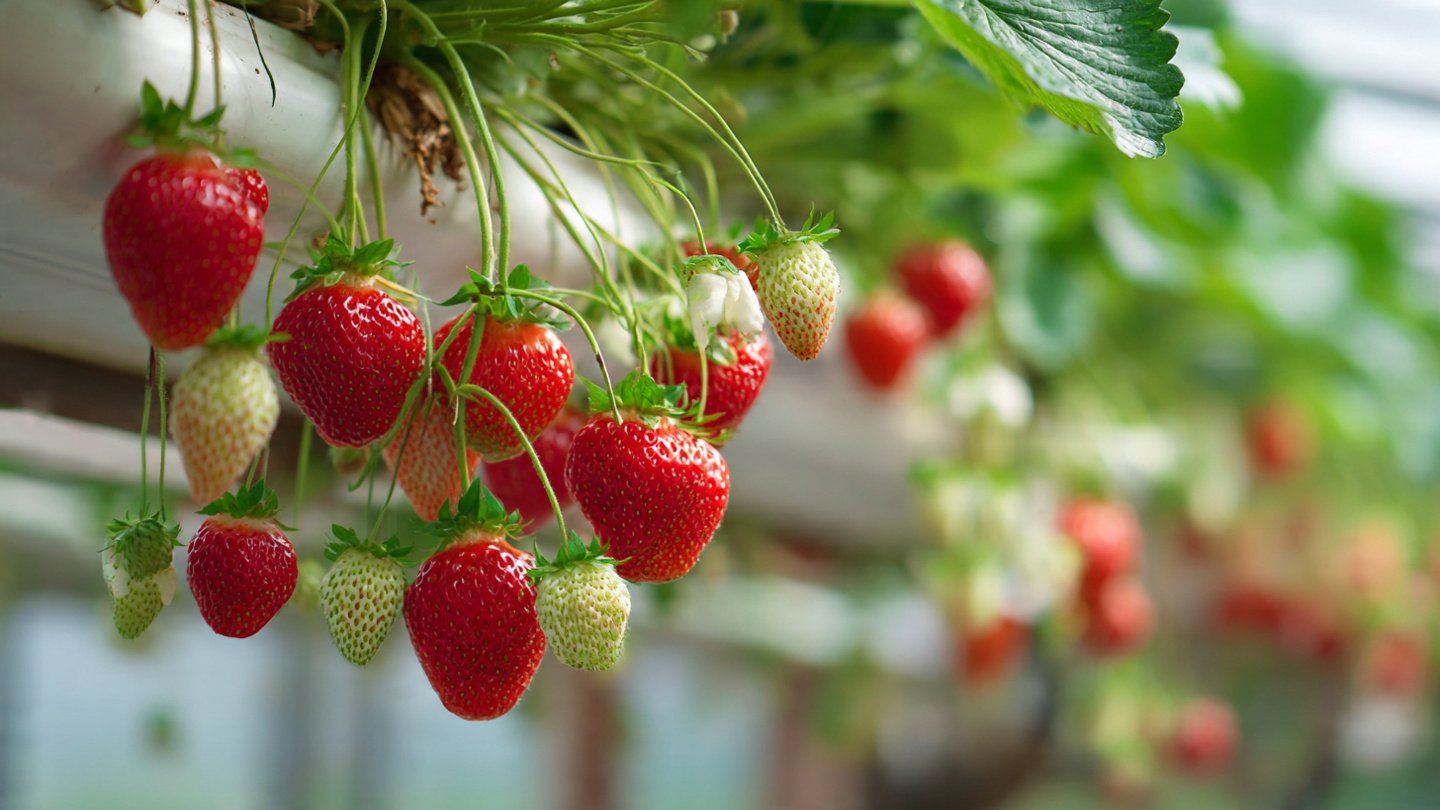
Strawberries are one of the most delicious and rewarding fruits to grow at home. Their bright red color, sweet aroma, and juicy taste make them a favorite among gardeners and food lovers alike. But what if you don’t have much garden space? Hanging strawberry gardening is a brilliant solution—it saves space, looks beautiful, and allows you to grow strawberries even on balconies, terraces, or small patios. This guide will show you a super easy way to grow hanging strawberries successfully, from choosing the right containers to harvesting your first sweet fruits.
Why Hanging Strawberries Are Perfect for Home Gardens
Hanging strawberries are ideal for urban or small-space gardening because they:
- Save space: You can grow multiple plants vertically without needing large garden plots.
- Reduce pests: Elevated plants are less prone to soil-borne pests and diseases.
- Improve air circulation: Better airflow reduces fungal problems and improves fruit quality.
- Look decorative: Hanging strawberry baskets or pots enhance the aesthetics of balconies, patios, or windows.
Moreover, you get fresh, homegrown strawberries at your fingertips—a treat for yourself and your family.
Choosing the Right Strawberry Variety
Not all strawberry varieties are suitable for hanging baskets. For the best results, choose:
- Day-neutral or everbearing varieties: These produce fruits continuously throughout the growing season. Examples include ‘Albion’, ‘Seascape’, and ‘Tristar’.
- Compact or small-fruited varieties: They grow well in limited space and don’t overwhelm the container.
Check with local nurseries for varieties suited to your climate for maximum success.
Selecting Containers for Hanging Strawberries
Hanging strawberries need containers that provide:
- Good drainage: Avoid waterlogged soil, which can rot roots.
- Space for root growth: Containers should be at least 8–12 inches deep.
- Sturdiness: Choose baskets or pots that can hold the soil and plants without tipping.
Popular options include plastic hanging baskets, fabric grow bags, recycled plastic pots, or DIY containers made from old buckets or crates. Ensure the container has holes at the bottom for water drainage.
Preparing the Growing Medium
Strawberries thrive in nutrient-rich, well-draining soil. For hanging strawberries, prepare a mix of:
- 2 parts garden soil or topsoil
- 1 part compost or well-rotted manure
- 1 part coco peat or sand for aeration
This mix keeps the soil light, retains moisture, and provides nutrients for healthy growth. Avoid heavy clay soils, which retain too much water.
Planting Strawberries in Hanging Baskets
- Fill the basket or container with the prepared soil mix, leaving 2–3 inches at the top.
- Remove strawberry seedlings from their nursery pots gently, keeping the roots intact.
- Make a small hole in the soil for each plant. Place the crown (the central growth point) slightly above soil level.
- Space plants 6–8 inches apart to allow growth.
- Cover the roots with soil and water immediately to help the plant settle.
For larger hanging baskets, you can plant 3–5 strawberries, depending on size.
Watering Your Hanging Strawberries
Hanging strawberries require consistent moisture but not soggy conditions. Tips:
- Water regularly, especially in hot weather. Hanging baskets dry out faster than ground soil.
- Use a watering can with a long spout to reach all areas.
- Mulch lightly with straw or coco peat to retain moisture and keep the roots cool.
Overwatering can cause root rot, while underwatering will reduce fruit yield.
Feeding and Fertilizing
Strawberries are heavy feeders, especially in hanging baskets with limited soil. Use organic fertilizers for healthy growth:
- Apply compost or well-rotted manure every 3–4 weeks.
- Use liquid fertilizers or organic plant tonics like biofertilizer every 10–15 days.
- Balanced fertilizers with nitrogen, phosphorus, and potassium promote leafy growth, flowering, and fruiting.
Regular feeding ensures strong plants and sweet, juicy berries.
Caring for Hanging Strawberries
- Pruning: Remove dead or yellow leaves to improve air circulation. Trim runners if you want the plant to focus on fruiting rather than spreading.
- Sunlight: Strawberries need 6–8 hours of direct sunlight daily. Hang baskets in sunny spots for maximum fruit production.
- Support: Ensure baskets are securely hung to prevent tipping or falling under plant weight.
Regular care prevents diseases and ensures a healthy harvest.
Managing Pests and Diseases
Hanging strawberries are generally less prone to pests than ground-planted ones, but they still need attention. Common problems include:
- Aphids: Spray diluted neem oil or soapy water.
- Slugs or snails: Less common in hanging baskets but check periodically.
- Fungal issues: Ensure proper spacing, sunlight, and airflow. Remove affected leaves promptly.
Early monitoring keeps plants healthy and productive.
Flowering and Fruit Development
Strawberries start flowering within a few weeks of planting if conditions are right. Tips for maximizing yield:
- Pinch off the first flowers if the plants are young; this helps the plant focus on root and leaf development.
- Pollination is natural in most areas, but gently shaking the plants or using a soft brush can help improve fruit set in indoor spaces.
- Expect fruits to develop 4–6 weeks after flowering.
Harvesting Hanging Strawberries
Strawberries are ready to harvest when they turn fully red and emit a sweet aroma. Tips:
- Pick fruits in the morning for best flavor.
- Handle berries gently; they bruise easily.
- Regular harvesting encourages more fruit production throughout the season.
Homegrown strawberries are juicier, sweeter, and more aromatic than store-bought ones.
Advantages of Growing Strawberries in Hanging Baskets
Hanging strawberries are perfect for home gardeners because they:
- Require less space and can be grown in urban areas.
- Reduce soil-borne pests and diseases.
- Create an attractive vertical garden feature.
- Allow easy access for watering, pruning, and harvesting.
With minimal effort, you can enjoy continuous harvests of fresh strawberries throughout the growing season.
Final Thoughts
Growing hanging strawberries is a simple, space-saving, and rewarding way to enjoy fresh fruits at home. With the right containers, soil, sunlight, and care, even beginners can succeed. The joy of picking your own sweet, juicy strawberries from a hanging basket adds flavor, health, and satisfaction to your gardening experience. Start today, and watch your balcony, terrace, or patio transform into a lush strawberry paradise.