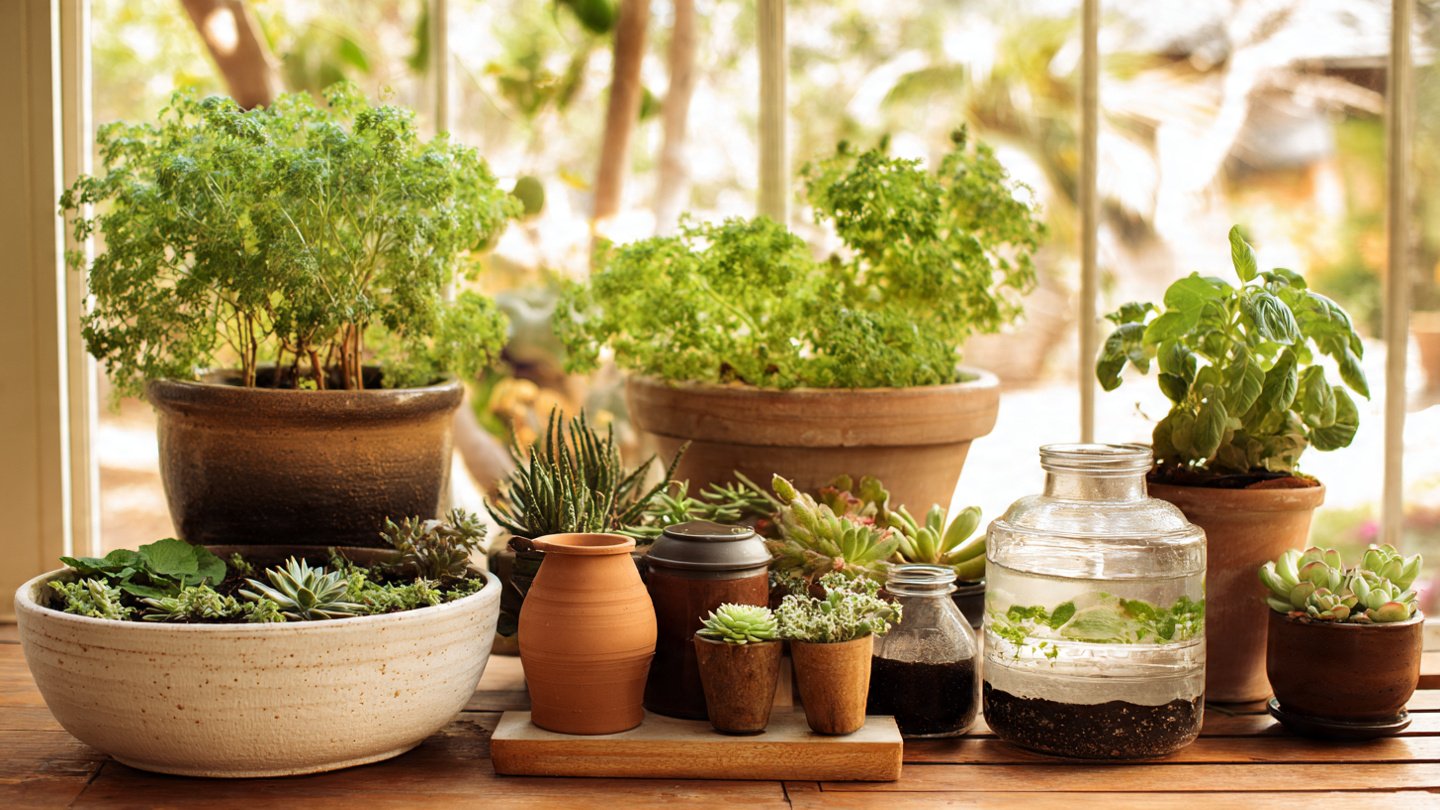
Gardening is one of life’s most satisfying hobbies, but keeping plants healthy often requires consistent watering and care. For many gardeners, especially those with busy schedules or inconsistent access to water, self-watering pots offer a practical solution. These innovative containers provide a steady supply of moisture to plants, helping them thrive without constant attention. Whether you are growing herbs on a kitchen windowsill, vegetables on a balcony, or ornamental flowers indoors, self-watering pots simplify plant care while improving growth and yield.
In this comprehensive guide, we’ll explain what self-watering pots are, how to build one, and how to use them effectively for healthy, thriving plants.
What is a Self-Watering Pot?
A self-watering pot is a container designed to supply water to plants automatically through a built-in reservoir. Unlike traditional pots, where water is poured directly into the soil, self-watering pots rely on capillary action or wicking mechanisms to draw water from the reservoir into the soil as needed.
Key Advantages:
- Consistent Moisture: Plants receive a steady supply of water, reducing stress from over- or under-watering.
- Less Maintenance: Ideal for busy gardeners or those who travel frequently.
- Water Efficiency: Reduces water waste by keeping the soil consistently moist without runoff.
- Promotes Healthy Roots: Roots can grow deeper into the soil to access water from the reservoir.
- Reduced Pest Risk: By keeping water in a controlled reservoir, the soil surface stays drier, reducing fungal growth and pests.
Step 1: Materials Needed to Build a Self-Watering Pot
Creating a self-watering pot is simple and requires minimal materials, many of which you may already have at home:
- Two pots (one smaller to hold the plant, one larger to serve as the reservoir)
- A plastic bottle or PVC pipe for the water wick (optional, depending on design)
- Potting soil or a soilless mix
- Scissors or a utility knife
- Gravel or small stones for drainage
- Water
- Wicking material (cotton rope, nylon cord, or old fabric strips)
With these materials, you can create a self-watering system that works for a variety of plants, from leafy greens to flowering houseplants.
Step 2: Designing Your Self-Watering Pot
There are several ways to design a self-watering pot. The two most common methods are:
1. Reservoir Pot Method
- Outer Pot: Holds water and serves as the reservoir.
- Inner Pot: Holds the plant and soil, with holes at the bottom to allow water to reach the roots.
How it Works:
The inner pot sits above the water in the reservoir. As the soil dries, roots draw water up through the holes via capillary action.
2. Wicking Method
- Place a cotton rope or fabric strip from the water reservoir into the soil.
- Water travels along the wick into the soil as needed, keeping it consistently moist.
This method works particularly well for smaller containers or indoor herb gardens.
Step 3: Preparing the Pot
- Add Drainage Layer: Place gravel, small stones, or clay pellets at the bottom of the inner pot to prevent soil from blocking the water flow.
- Install the Wick (Optional): If using a wick, thread it through the hole in the bottom of the inner pot or position it so one end is submerged in the reservoir.
- Fill with Soil: Add a high-quality potting mix to the inner pot, leaving about an inch from the rim. Lightly press soil to remove air pockets.
- Plant Your Greenery: Carefully transplant your seedlings or plants into the pot, ensuring the roots are in contact with the soil.
Proper preparation ensures that water reaches the roots efficiently without causing waterlogging.
Step 4: Filling the Reservoir
- Fill the outer pot or reservoir with water until it reaches just below the base of the inner pot.
- If using a wicking system, ensure the wick is fully submerged in water.
- Check water levels daily, especially during the first few weeks, to ensure the soil is drawing water effectively.
One of the advantages of self-watering pots is that they allow for less frequent watering—often only once or twice a week, depending on the plant type and climate.
Step 5: Choosing the Right Plants
While most plants benefit from self-watering pots, certain types thrive more than others:
Best Candidates:
- Herbs: Basil, mint, parsley, and cilantro grow well with consistent moisture.
- Leafy Greens: Lettuce, spinach, and kale flourish when roots can access water regularly.
- Flowering Plants: Petunias, begonias, and impatiens benefit from stable soil moisture.
- Vegetables: Tomatoes, peppers, and small cucumber varieties can do well if the system is large enough.
Plants to Avoid:
- Succulents and Cacti: These plants prefer dry soil and can suffer root rot in self-watering pots.
- Bulbs: Plants like tulips and daffodils may rot if kept constantly moist.
Choosing the right plant ensures your self-watering pot delivers maximum results.
Step 6: Placement and Light
Proper placement affects plant health and growth:
- Sunlight: Most herbs and vegetables need 6–8 hours of sunlight per day. Place pots near windowsills, balconies, or patios.
- Indoor Lighting: If natural sunlight is insufficient, supplement with LED grow lights.
- Air Circulation: Adequate airflow reduces fungal growth and keeps plants healthy.
Correct placement ensures plants thrive, and their roots can efficiently absorb water from the reservoir.
Step 7: Maintenance Tips
Self-watering pots reduce the need for daily attention, but proper maintenance is still essential:
- Check Water Levels: Top up the reservoir regularly. Plants may drink more during hot or dry periods.
- Clean the Reservoir: Prevent algae growth by cleaning the reservoir every 2–3 weeks.
- Pruning: Remove dead leaves and flowers to promote healthy growth.
- Fertilization: Since nutrients can wash into the reservoir, consider liquid fertilizers every 2–4 weeks or slow-release granules mixed into the soil.
- Watch for Pests: Indoor plants in self-watering pots are less prone to pests, but occasional inspection helps catch aphids, mites, or fungus early.
Routine care maximizes the efficiency of your self-watering system and ensures healthy, vigorous plants.
Step 8: Advantages of Self-Watering Pots
- Time-Saving: Less frequent watering reduces daily maintenance.
- Consistent Growth: Plants are less stressed by dry periods, promoting lush leaves and blooms.
- Water Conservation: Efficient use of water reduces waste and runoff.
- Portable: Self-watering pots can be moved indoors or outdoors as needed.
- Ideal for Beginners: Reduces mistakes from over- or under-watering, making gardening more accessible.
Self-watering pots combine convenience with superior plant growth, making them ideal for urban or beginner gardeners.
Step 9: Troubleshooting Common Issues
Even with self-watering pots, problems can arise:
- Overwatering: If the soil is constantly soggy, check that the inner pot drains properly and reduce the water in the reservoir.
- Algae Growth: Sunlight on standing water can promote algae. Use opaque containers or cover the water surface.
- Root Rot: Ensure the pot has proper drainage and remove any decayed roots.
- Nutrient Deficiency: Plants may need additional fertilization, as nutrients can leach into the reservoir water.
Regular observation ensures that your self-watering system continues to work efficiently.
Step 10: Expanding Your Self-Watering Garden
Once you’ve mastered one pot, you can expand your self-watering system:
- Multiple Pots: Connect several pots on a balcony for a compact herb or vegetable garden.
- Vertical Gardening: Stack pots or use tiered systems to save space.
- Indoor Herb Stations: Set up a self-watering herb garden in your kitchen for easy access while cooking.
- DIY Upgrades: Incorporate timers or automatic refill systems for a hands-off experience.
The versatility of self-watering pots makes them perfect for creative, space-saving gardening solutions.
Conclusion
Self-watering pots are a game-changer for gardeners of all levels, offering consistent hydration, reduced maintenance, and healthier plants. By following these steps—from choosing the right materials, setting up the reservoir, selecting suitable plants, and providing proper care—you can enjoy thriving herbs, vegetables, and flowers all year round.
Whether you’re an apartment dweller, a busy professional, or someone who simply wants to simplify plant care, self-watering pots make gardening accessible, efficient, and rewarding. With minimal effort and proper planning, your plants will flourish, giving you lush greenery and bountiful harvests.
Start building your self-watering pots today and experience the ease of gardening combined with healthy, vibrant plants. This simple yet effective system transforms plant care, making thriving greenery achievable for everyone.