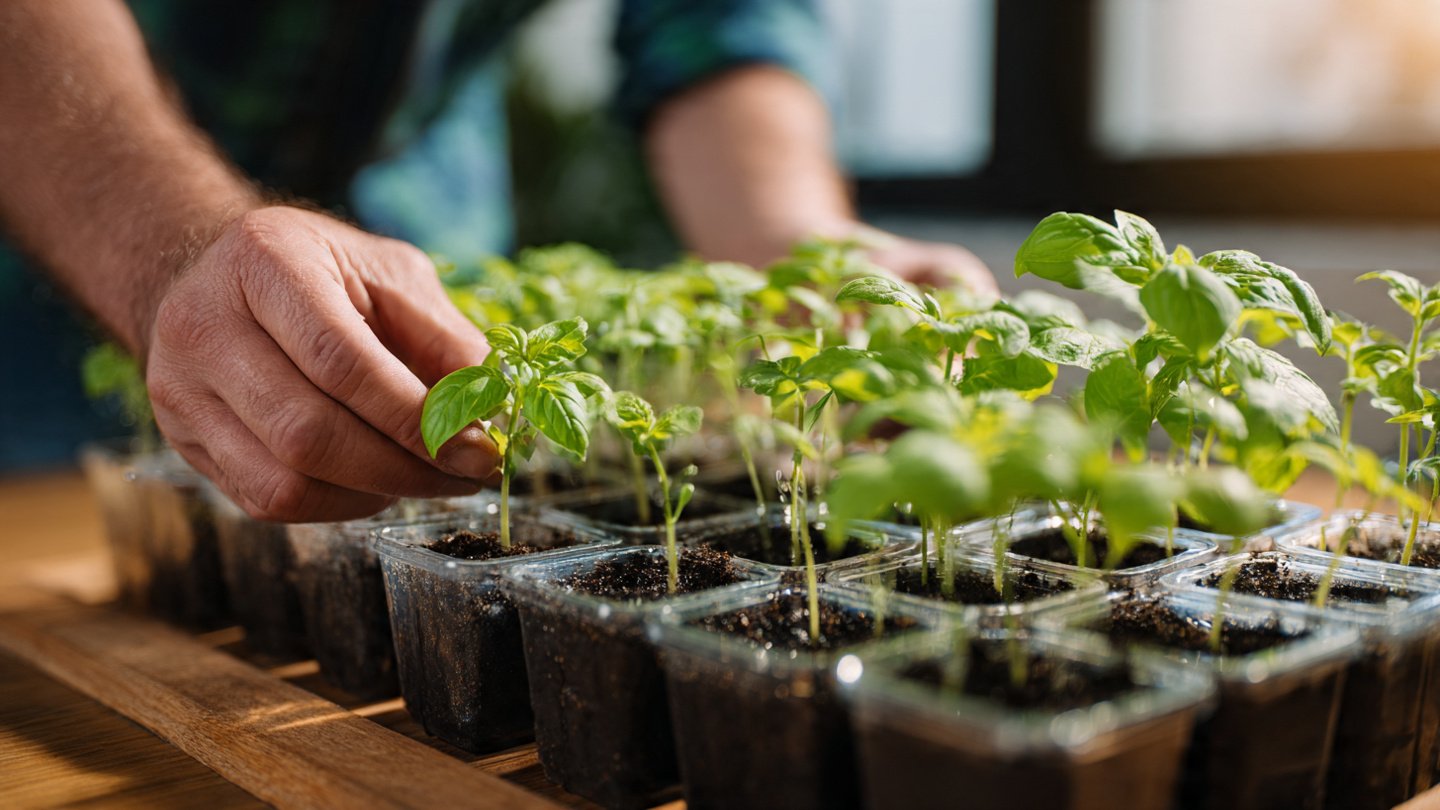
Bringing greenery into your home isn’t just about decoration—it’s about creating a healthier, more vibrant environment. Growing plants at home improves air quality, reduces stress, and can even supplement your kitchen with fresh herbs, fruits, and vegetables. Whether you’re a beginner with a few potted plants or an aspiring gardener looking to create a thriving indoor or balcony garden, understanding the basics of home plant care is essential.
This guide provides simple, effective, and practical tips to grow healthy plants at home, helping you transform your space into a green paradise.
Why Growing Plants at Home Matters
There are countless benefits to cultivating plants at home. Beyond the aesthetic appeal, plants enhance mental health by reducing stress and improving mood. Indoor greenery has been shown to boost focus and creativity, making homes and workspaces more productive.
For those interested in sustainability, homegrown plants—especially edible varieties like herbs, leafy greens, and fruits—offer fresh, chemical-free produce while reducing grocery expenses. Even ornamental plants can improve indoor air quality by absorbing carbon dioxide and releasing oxygen.
Understanding why home gardening is valuable helps motivate consistent care, which is key to plant health.
Choosing the Right Plants for Your Space
The first step in successful home growing is selecting plants suited to your environment. Consider light availability, humidity, temperature, and the level of care you can commit to.
- Low-light plants: Ideal for apartments or shaded rooms. Examples include snake plants, pothos, ZZ plants, and peace lilies.
- Medium-light plants: Require some indirect sunlight. Examples include spider plants, philodendrons, and ferns.
- High-light plants: Need several hours of bright light daily. Perfect for windowsills or balconies. Examples include succulents, tomatoes, and lemon trees.
Choosing the right plants from the start reduces stress and increases the likelihood of success, especially for beginners.
Soil and Pot Selection
Healthy plants start with quality soil. Use a well-draining potting mix appropriate for the plant type. Succulents need sandy, fast-draining soil, while tropical plants thrive in richer, moisture-retentive soil.
Pot selection is equally important. Ensure your containers have drainage holes to prevent waterlogging, which can cause root rot. For larger plants, choose pots that allow room for root expansion, while small plants do well in compact containers. Repotting every 1–2 years can refresh the soil and encourage growth.
Watering Wisely
Watering is one of the most crucial aspects of home plant care—and often the most misunderstood. Overwatering is a common mistake that can quickly kill plants. The key is to understand each plant’s water requirements.
- Check soil moisture before watering. Stick your finger about an inch into the soil; if it’s dry, it’s time to water.
- Water deeply rather than frequently. This encourages roots to grow stronger and prevents shallow rooting.
- Consider using pots with saucers to catch excess water, preventing damage to floors or furniture.
For indoor plants, misting the leaves occasionally can increase humidity, particularly for tropical plants.
Light: The Life Source of Plants
Sunlight is essential for photosynthesis, which fuels plant growth. Understanding the light needs of your plants is vital.
- Place high-light plants near south- or west-facing windows to ensure sufficient exposure.
- Low-light plants can thrive in north-facing rooms or areas with filtered light.
- Rotate plants occasionally to ensure even growth and prevent them from leaning toward the light source.
Supplementing with grow lights is an effective solution if natural light is insufficient, especially during winter months.
Fertilization for Healthy Growth
Plants need nutrients beyond what soil alone provides. Regular feeding helps maintain vibrant foliage, strong roots, and abundant flowers or fruits.
- Use balanced, all-purpose fertilizers for general plant growth.
- Choose specific fertilizers for fruiting, flowering, or leafy plants to meet their unique needs.
- Organic options such as compost, worm castings, or liquid seaweed are gentle and effective for home use.
Feed plants according to their growth stage: more nutrients during active growth in spring and summer, and reduced feeding during dormant periods.
Pruning and Maintenance
Regular pruning keeps plants healthy, encourages bushier growth, and removes dead or damaged leaves.
- Trim yellowing or dying leaves promptly.
- Pinch back growing tips on herbs and flowering plants to stimulate branching.
- Remove flowers once they fade to redirect energy to new growth.
Cleaning plant leaves also prevents dust buildup, which can block sunlight and reduce photosynthesis.
Controlling Pests Naturally
Even homegrown plants can attract pests like aphids, spider mites, or mealybugs. Prevention is easier than treatment.
- Inspect plants regularly for early signs of infestation.
- Maintain good air circulation around plants.
- Use natural solutions such as neem oil, insecticidal soap, or a gentle water spray to control pests without harsh chemicals.
Healthy plants are less prone to pests, so consistent care reduces the risk of infestations.
Special Tips for Indoor and Balcony Gardening
For indoor and balcony gardens, consider the following:
- Use plant stands or shelves to maximize vertical space.
- Group plants with similar light and water needs together for easier care.
- Incorporate self-watering pots or trays to maintain consistent soil moisture.
- Rotate plants seasonally to adjust to changing light conditions.
Balcony gardens can also benefit from trellises, hanging pots, and vertical planters to expand growing space.
Creating a Routine for Plant Care
Consistency is the secret to healthy plants. Develop a simple routine that includes watering, feeding, pruning, and pest inspection. Keeping a plant journal can help track growth patterns, watering schedules, and fertilizer application. This allows you to spot issues early and adjust care accordingly.
The Joy of Home Gardening
Growing plants at home is about more than greenery—it’s a lifestyle that promotes patience, mindfulness, and a connection with nature. Watching a seedling grow into a lush, flowering, or fruit-bearing plant provides immense satisfaction. Even small successes, like keeping a houseplant alive for a year or harvesting a handful of herbs, bring a sense of accomplishment.
Final Thoughts
Home gardening doesn’t have to be complicated. By choosing the right plants, providing proper light, water, and nutrients, and maintaining consistent care, anyone can cultivate healthy, thriving plants indoors or outdoors. Whether you want ornamental beauty, fresh produce, or a calming hobby, these simple and effective tips will help you grow a vibrant and flourishing home garden.
With patience and attention, your home can become a green oasis, filled with the life, color, and freshness that only plants can bring.