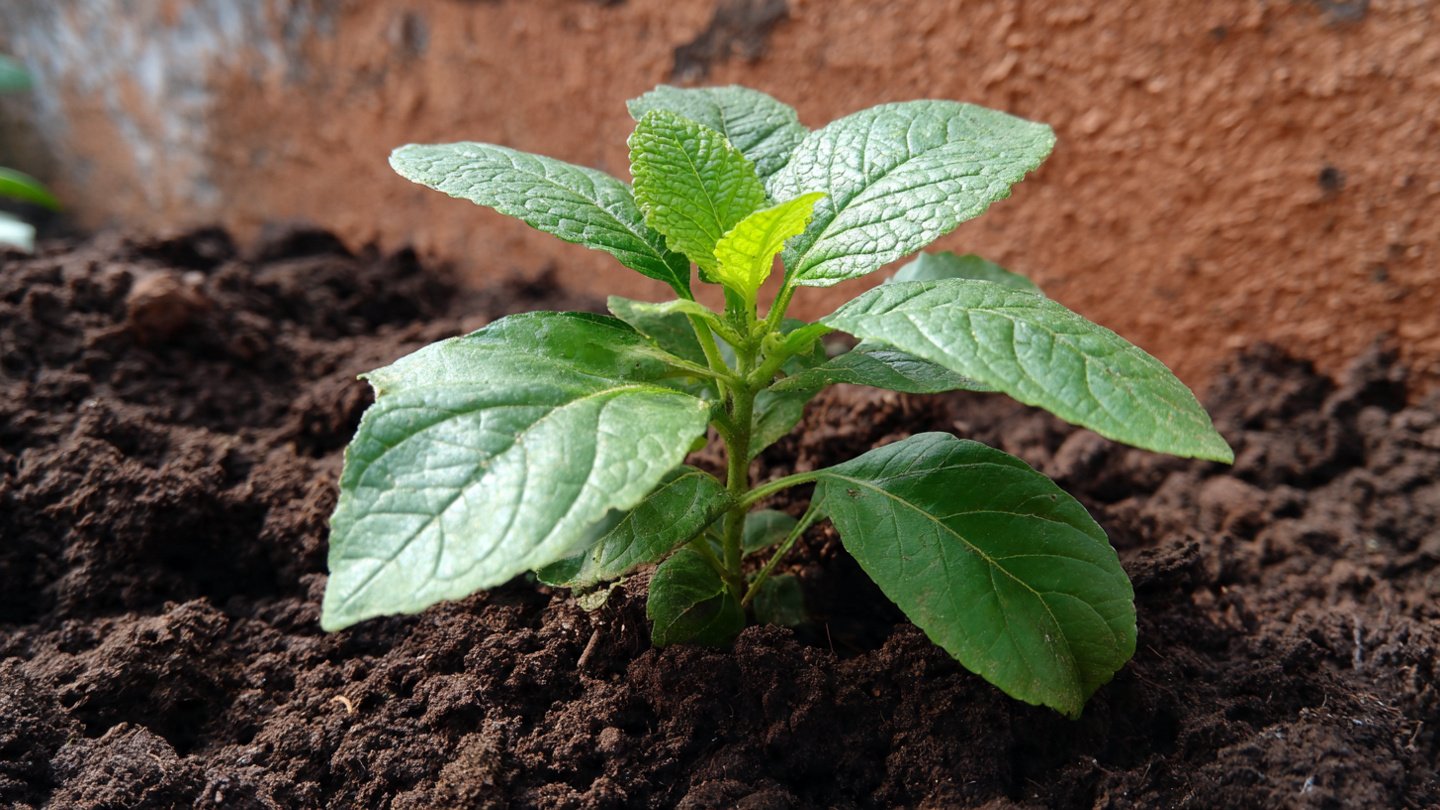
In today’s gardening world, many plant enthusiasts are looking for natural ways to boost plant growth without relying on harsh chemical fertilizers. Homemade biofertilizers are an excellent solution. They not only improve soil health but also enhance plant growth, increase yield, and promote sustainability. By making biofertilizer at home, you can save money, reduce chemical use, and give your plants a natural boost that promotes stronger roots, vibrant leaves, and abundant flowers or fruits.
This comprehensive guide will walk you through everything you need to know to make biofertilizer easily and effectively.
What is Biofertilizer and Why Use It?
Biofertilizers are natural substances that contain living microorganisms. These microorganisms, such as bacteria, fungi, and algae, enrich the soil by fixing nutrients and improving its fertility. Unlike chemical fertilizers, biofertilizers work with nature to feed plants, improve soil texture, and enhance microbial activity.
The benefits of using homemade biofertilizer include:
- Improved nutrient absorption for plants
- Enhanced soil fertility and structure
- Reduced reliance on chemical fertilizers
- Stronger plant roots and healthier foliage
- Increased resistance to pests and diseases
Essentially, biofertilizers create a thriving environment for your plants while restoring soil life.
Step 1: Gather the Right Ingredients
One of the easiest ways to make biofertilizer at home is by using common kitchen scraps and natural materials. You will need:
Organic Waste Materials:
- Vegetable and fruit peels
- Coffee grounds or tea leaves
- Grass clippings or dry leaves
Microbial Boosters:
- Cow dung or compost from worms
- Effective microorganisms (EM) solution, if available
- Yogurt or curd can also be used as a natural source of beneficial bacteria
Other Materials:
- Molasses or sugar (to feed the microbes)
- Water
- A large container with a lid
These ingredients are easy to find, inexpensive, and full of nutrients that plants love.
Step 2: Prepare the Organic Mixture
- Chop or shred fruit and vegetable scraps to speed up decomposition.
- Mix the organic waste with a handful of cow dung or compost.
- Add a small amount of sugar or molasses to encourage microbial growth.
- Pour enough water to make a semi-liquid mixture.
The consistency should be thick but pourable. This creates a nutrient-rich environment for the microbes to thrive.
Step 3: Encourage Microbial Growth
To turn the mixture into a powerful biofertilizer, you need to promote microbial activity:
- Add a spoon of yogurt, curd, or EM solution to introduce beneficial bacteria.
- Stir the mixture well to ensure the microbes are evenly distributed.
- Cover the container loosely to allow air while preventing contamination.
Place the container in a warm, shaded spot. Over the next 7–10 days, the microbes will multiply, and the mixture will ferment. You may notice a slightly sour smell or bubbles—this is normal and indicates healthy microbial activity.
Step 4: Strain and Store the Biofertilizer
After fermentation, the biofertilizer is ready for use:
- Strain the mixture to remove solid debris. Solids can be added back to your compost pile.
- Store the liquid biofertilizer in airtight bottles in a cool place.
- It is best used within a month for maximum microbial activity.
This liquid can be diluted with water before applying to plants. A common dilution ratio is 1 part biofertilizer to 10 parts water.
Step 5: How to Apply Homemade Biofertilizer
Biofertilizers can be used for a variety of plants, including vegetables, fruits, flowering plants, and even lawn grass.
Application Tips:
- For Soil Enrichment: Pour the diluted biofertilizer around the base of plants. The nutrients and microbes will penetrate the soil, improving fertility.
- For Foliar Feeding: Spray lightly on leaves. This provides direct nutrients and can help protect plants from minor pests.
- For Seedlings: Use a weaker dilution (1:15) to avoid overwhelming young plants.
Apply biofertilizer every 2–3 weeks during the growing season for best results. Consistency is key to building strong soil and plant health.
Step 6: Customize Biofertilizer for Specific Needs
One of the advantages of homemade biofertilizer is flexibility. Depending on your plant’s needs, you can adjust the ingredients:
- For Leafy Vegetables: Add more nitrogen-rich ingredients like green leaves or grass clippings.
- For Flowering Plants: Include banana peels and other potassium-rich scraps.
- For Fruit Trees: Mix in phosphorus-rich materials like bone meal or crushed eggshells.
This customization allows you to provide targeted nutrition while keeping the fertilizer organic and natural.
Step 7: Maintain Healthy Soil with Biofertilizer
Regular use of homemade biofertilizer does more than feed plants. Over time, it:
- Increases beneficial microbial populations in soil
- Improves water retention
- Reduces soil acidity or salinity
- Enhances root development
The result is a thriving garden with strong plants, rich soil, and reduced need for chemical inputs.
Common Mistakes to Avoid
Even though homemade biofertilizer is simple, there are a few mistakes that can reduce effectiveness:
- Using spoiled or moldy waste: Only use fresh or properly composted materials.
- Skipping microbial boosters: Beneficial microbes are essential for nutrient conversion.
- Applying too much: Overuse can upset soil balance. Use recommended dilutions.
- Exposing the fertilizer to direct sunlight: This can kill beneficial bacteria.
By avoiding these pitfalls, your biofertilizer will remain effective and safe for all plants.
Final Thoughts
Making biofertilizer at home is an easy, cost-effective, and environmentally friendly way to support plant growth and soil health. By using kitchen scraps, compost, and natural microbial boosters, you can create a powerful fertilizer that nourishes plants, builds soil fertility, and reduces dependence on chemical inputs.
With consistent application, patience, and careful observation, your garden will thrive like never before. Stronger roots, greener leaves, abundant flowers, and better fruits are all possible when you harness the power of homemade biofertilizer.
This simple DIY approach proves that anyone can grow healthier, more productive plants while taking care of the earth. Making your own biofertilizer is not just a gardening task—it’s a step toward a sustainable, vibrant garden that flourishes naturally.