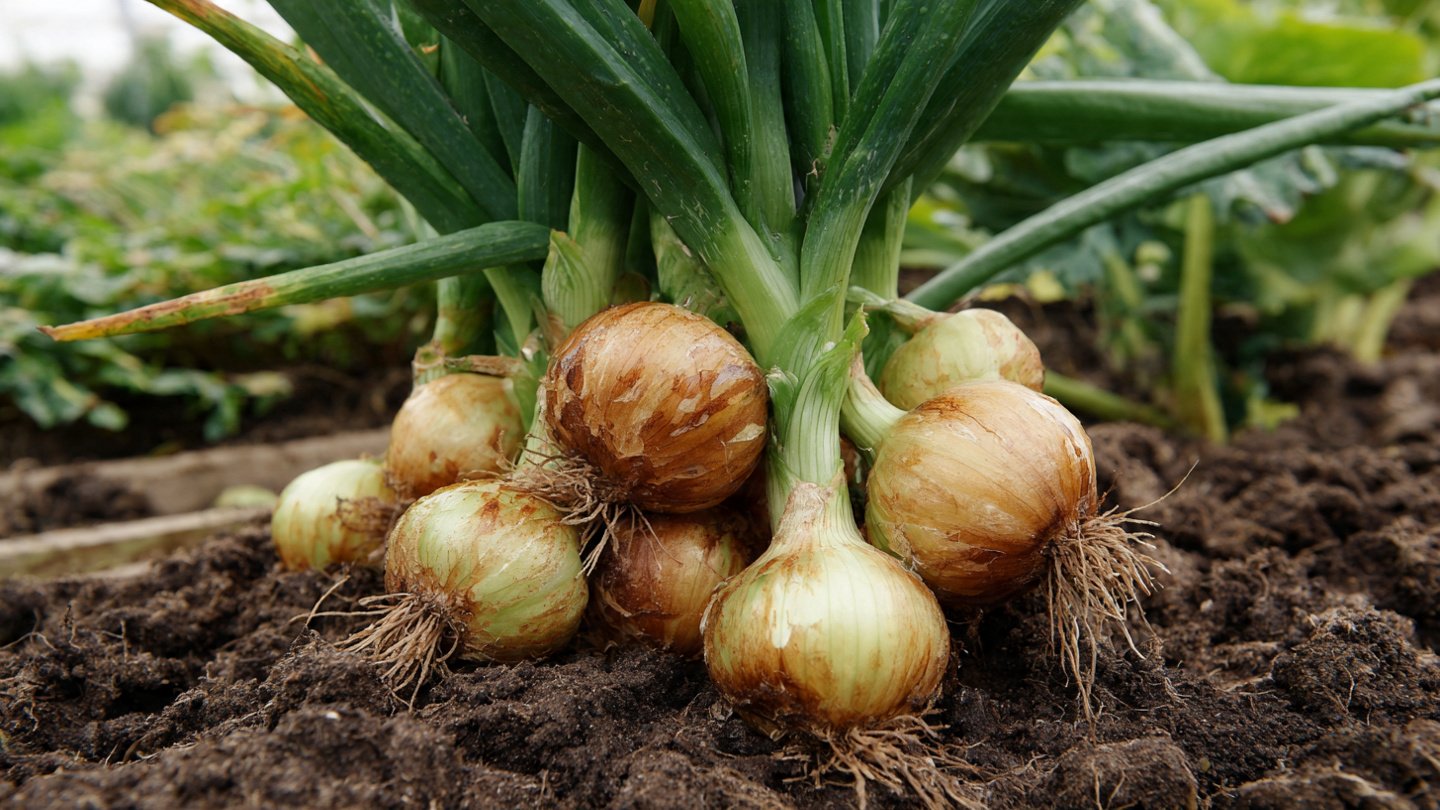
Onions are a staple in kitchens worldwide, adding flavor, aroma, and nutrition to countless dishes. While store-bought onions are convenient, growing your own at home ensures fresher, tastier, and more nutrient-rich bulbs. With the right techniques, you can cultivate onions that are larger, healthier, and more resilient than most commercially grown varieties.
This comprehensive guide will provide expert tips for successfully growing onions at home, whether in a backyard garden, raised bed, or container. From soil preparation to harvesting, these strategies are designed to maximize bulb size, flavor, and overall plant health.
Why Grow Onions at Home?
Homegrown onions offer several advantages over store-bought ones:
- Superior Flavor – Freshly harvested onions retain their natural sweetness and pungency.
- Chemical-Free – You control fertilizers and pesticides, ensuring safe, healthy produce.
- Cost-Effective – Growing onions at home reduces grocery bills over time.
- Continuous Supply – Staggered planting allows year-round harvest.
- Gardening Satisfaction – Watching onions grow from seed to mature bulbs is immensely rewarding.
Choosing the Right Onion Variety
Selecting the appropriate onion variety is the first step toward bigger, healthier bulbs.
Key considerations:
- Short-Day Onions – Ideal for regions with less than 12 hours of daylight. These varieties start forming bulbs earlier in the season.
- Long-Day Onions – Perfect for areas with 14–16 hours of daylight, producing large bulbs in summer.
- Intermediate Varieties – Adaptable to most climates, suitable for home gardens.
- Red, White, or Yellow – Each has distinct flavors; yellow onions are sweeter, while red onions are sharp and ideal for salads.
Choosing a variety suited to your climate ensures faster growth and better bulb formation.
Soil Preparation: The Foundation of Healthy Onions
Onions thrive in loose, well-drained soil rich in organic matter. Compact or clay-heavy soil can stunt bulb growth.
Steps for preparing ideal soil:
- Loosen the soil to a depth of 8–12 inches using a garden fork or tiller.
- Amend with compost or well-rotted manure to improve fertility and moisture retention.
- Adjust pH if necessary; onions prefer slightly acidic to neutral soil (pH 6.0–7.0).
- Ensure good drainage – onions do not tolerate waterlogged roots.
Adding sand or perlite to clay-heavy soil can improve aeration and drainage, promoting larger bulbs.
Planting Onions: Seeds, Sets, or Transplants
Onions can be grown from seeds, sets, or seedlings:
- Seeds – Cheapest option, offering a wide range of varieties. Start indoors 8–10 weeks before the last frost.
- Sets – Small, immature bulbs. Fast-growing and easier for beginners. Plant directly outdoors in early spring.
- Seedlings/Transplants – Already germinated young plants that save time and improve success rates.
Planting tips:
- Space onions 4–6 inches apart for optimal bulb growth.
- Rows should be 12–18 inches apart to allow air circulation.
- Plant bulbs or seedlings at 1–2 inches deep, ensuring roots are well-covered but the neck remains above soil.
Watering and Fertilizing for Big Bulbs
Watering
Onions require consistent moisture, especially during the early growth phase.
Expert tips:
- Water deeply 1–2 times per week, depending on soil type and rainfall.
- Avoid overwatering, which causes root rot or bulb splitting.
- Reduce watering as bulbs mature to prevent rotting.
Fertilizing
Onions are heavy feeders and benefit from balanced nutrition:
- Nitrogen promotes leafy growth, crucial for early stages.
- Phosphorus supports root development.
- Potassium enhances bulb size and disease resistance.
Application tips:
- Side-dress with compost or organic fertilizer every 3–4 weeks.
- Avoid excess nitrogen during bulb formation, as it may encourage leafy growth over bulb growth.
Sunlight and Temperature Requirements
Onions thrive in full sun, requiring 6–8 hours of direct sunlight daily.
Temperature tips:
- Ideal daytime temperatures: 20–25°C (68–77°F)
- Cool nights promote sweet, firm bulbs.
- Avoid planting during extreme heat or frost to prevent stress and poor bulb development.
Weed Control and Mulching
Weeds compete with onions for nutrients and water, affecting bulb size.
Effective strategies:
- Hand-pull weeds regularly to avoid disturbing shallow roots.
- Apply organic mulch such as straw or dried leaves to suppress weeds, retain moisture, and regulate soil temperature.
Pests and Disease Management
Onions are susceptible to pests like onion flies, thrips, and nematodes, and diseases such as downy mildew and neck rot.
Prevention and control tips:
- Rotate crops each year to prevent soil-borne diseases.
- Use neem oil or organic insecticidal sprays for pests.
- Remove affected plants immediately to prevent spread.
- Ensure proper spacing and airflow to reduce fungal infections.
Harvesting Onions: Timing Is Everything
Knowing when to harvest is crucial for maximum flavor and storage:
- Bulbs are ready when tops start yellowing and falling over.
- Gently loosen soil and lift bulbs with a fork.
- Cure onions in a dry, ventilated area for 2–3 weeks before storage.
- Avoid harvesting too early, as bulbs will be small and less flavorful.
Storage Tips for Long-Lasting Onions
Proper storage extends shelf life and maintains quality:
- Keep cured onions in cool, dry, and ventilated spaces.
- Avoid storing in plastic bags, which trap moisture and promote rot.
- Regularly check stored onions and remove any showing signs of decay.
Additional Expert Tips for Maximum Success
- Rotate crops annually – prevents soil depletion and disease buildup.
- Stagger planting – ensures a continuous supply throughout the season.
- Choose disease-resistant varieties – reduces the need for chemicals.
- Monitor soil nutrients – conduct simple soil tests and amend as needed.
- Use companion planting – carrots, beets, and lettuce grow well alongside onions.
Common Mistakes to Avoid
- Planting too close together, leading to small bulbs.
- Overwatering during late-stage bulb development.
- Ignoring pest and disease signs.
- Using poor-quality seeds or bulbs.
Correcting these mistakes ensures bigger, healthier onions.
Conclusion
Growing onions successfully at home is not only achievable but also highly rewarding. By following expert tips on variety selection, soil preparation, watering, fertilization, pest control, and harvesting, you can cultivate larger, juicier, and healthier bulbs that rival or surpass store-bought produce.
Whether you are a beginner gardener or a seasoned green thumb, the satisfaction of harvesting your own onions, full of flavor and nutrition, makes all the effort worthwhile. With patience, consistency, and proper care, your home garden can provide a bountiful onion harvest year after year.