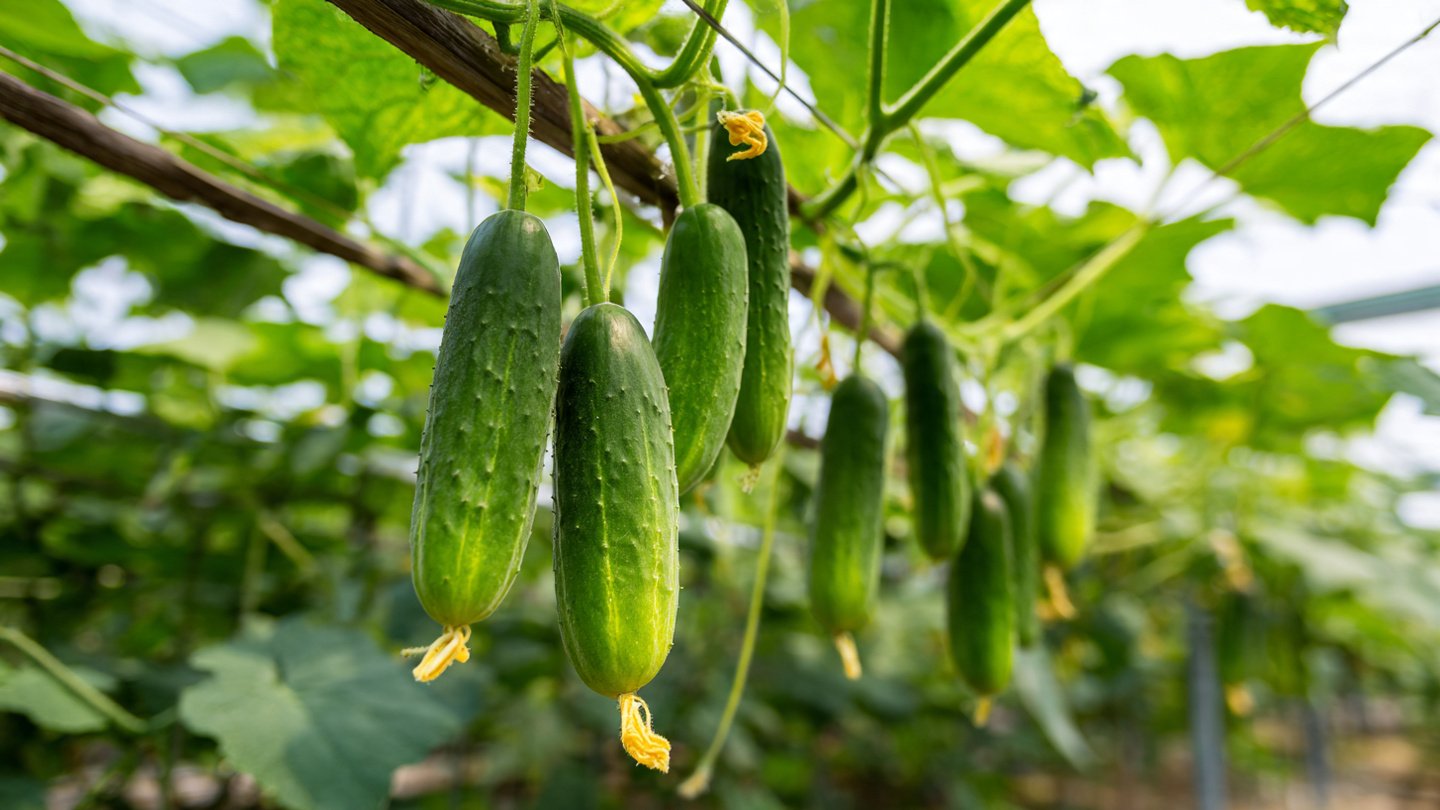
Cucumbers (Cucumis sativus) are one of the most refreshing and versatile vegetables you can grow at home. Crisp, hydrating, and nutrient-rich, cucumbers are perfect for salads, pickles, and snacks. For home gardeners, growing cucumbers is not only satisfying but also cost-effective, allowing you to enjoy fresh produce straight from your garden.
With the right approach, even beginners can achieve abundant cucumber harvests. This guide will walk you through the process step by step—from choosing the right variety to harvesting fresh, crisp cucumbers.
Understanding Cucumbers
Cucumbers are fast-growing, warm-season vegetables that thrive in sunny, well-drained conditions. There are three main types:
- Slicing cucumbers: Large, crisp cucumbers ideal for salads.
- Pickling cucumbers: Smaller cucumbers suitable for pickling.
- Burpless cucumbers: Mild-tasting cucumbers easier to digest.
Cucumbers are climbing plants, and providing a trellis or support system can improve air circulation, reduce disease risk, and maximize yield.
Step 1: Choosing the Right Variety
Selecting the right cucumber variety is critical for a successful harvest. Consider your space, taste preference, and growing conditions:
- Bush varieties: Compact plants, suitable for containers or small spaces. Examples: ‘Bush Champion,’ ‘Spacemaster.’
- Vining varieties: Produce higher yields and require vertical support. Examples: ‘Marketmore 76,’ ‘Lemon Cucumber.’
- Hybrid varieties: Disease-resistant and fast-growing options for beginners. Examples: ‘Straight Eight,’ ‘Salad Bush.’
Choose a variety suited to your climate and gardening setup for the best results.
Step 2: Selecting a Planting Location
Cucumbers thrive in warm, sunny locations with well-drained soil. Consider the following when choosing a location:
- Sunlight: At least 6–8 hours of direct sunlight per day.
- Soil: Loose, fertile, and slightly acidic to neutral soil (pH 6.0–7.0).
- Space: Adequate spacing for bush varieties (12–18 inches apart) or rows for vining varieties (36–48 inches apart).
- Airflow: Good airflow reduces fungal diseases like powdery mildew.
A suitable location is the foundation for healthy cucumber plants and abundant harvests.
Step 3: Preparing the Soil
Healthy soil is essential for cucumber growth:
- Clear the area of weeds and debris.
- Loosen the soil to a depth of 8–12 inches.
- Incorporate organic compost or well-rotted manure to boost fertility.
- Optional: Add a balanced, slow-release fertilizer to promote vigorous growth.
Nutrient-rich, well-drained soil allows cucumber roots to expand and supports continuous leaf and fruit development.
Step 4: Sowing Seeds
Cucumbers can be started from seeds or seedlings. Seeds are cost-effective and easy to handle for beginners.
Direct sowing:
- Sow seeds ½–1 inch deep in prepared soil.
- Space seeds 12–18 inches apart for bush varieties or 36–48 inches for vining types.
- Water lightly and keep soil moist until germination (usually 7–10 days).
Starting indoors:
- Sow seeds in seed trays or small pots 3–4 weeks before the last frost.
- Transplant seedlings when they have 2–3 true leaves and the soil is warm.
Tip: For continuous harvests, succession sow seeds every 2–3 weeks.
Step 5: Providing Support for Vining Cucumbers
Vining cucumber varieties benefit greatly from vertical support:
- Use trellises, stakes, or cages to train the vines upward.
- Tie vines loosely with soft garden ties to prevent damage.
- Vertical growth improves airflow, reduces disease risk, and makes harvesting easier.
Bush varieties can grow without support, but vining cucumbers tend to produce larger yields when trained vertically.
Step 6: Watering Cucumbers
Cucumbers require consistent moisture to thrive:
- Water deeply 1–2 times per week, depending on weather.
- Avoid overhead watering to reduce fungal diseases.
- Keep soil consistently moist, especially during flowering and fruit development.
Mulching around the base helps retain moisture, keeps the soil cool, and suppresses weeds.
Step 7: Fertilizing Your Cucumber Plants
Fertilization supports healthy growth and abundant fruit production:
- Apply a nitrogen-rich fertilizer during early growth to encourage leafy development.
- Switch to a phosphorus and potassium fertilizer when flowers and fruits appear to enhance flowering and fruiting.
- Organic options like compost, worm castings, or liquid seaweed extracts work well for home gardens.
Balanced nutrition ensures strong stems, large leaves, and crisp, flavorful cucumbers.
Step 8: Pollination
Cucumbers have separate male and female flowers, so pollination is essential for fruit development:
- Encourage bees and pollinators by planting flowers nearby.
- If pollinators are limited, hand pollinate by transferring pollen from male flowers to female flowers using a small brush or cotton swab.
- Proper pollination prevents misshapen or underdeveloped cucumbers.
Successful pollination leads to consistent fruit production throughout the growing season.
Step 9: Pest and Disease Management
Cucumbers can be affected by pests and diseases, but early intervention ensures a healthy crop:
Common pests:
- Aphids, cucumber beetles, and spider mites.
Common diseases:
- Powdery mildew, downy mildew, and bacterial wilt.
Management tips:
- Inspect plants regularly and remove affected leaves or pests.
- Use neem oil, insecticidal soap, or other organic remedies when needed.
- Maintain proper spacing and airflow to prevent fungal diseases.
- Rotate crops annually to reduce soil-borne disease risks.
Healthy plants are more productive and resilient, ensuring a continuous harvest.
Step 10: Harvesting Cucumbers
Harvest cucumbers regularly to encourage more fruit production:
- Pick cucumbers when they reach the desired size (usually 6–8 inches for slicing cucumbers).
- Harvest early in the morning for maximum crispness.
- Use a sharp knife or scissors to cut fruits from the vine to avoid damaging the plant.
- Avoid leaving mature cucumbers on the vine too long, as they can become bitter and reduce future yield.
Frequent harvesting stimulates the plant to produce new flowers and fruits, ensuring a continuous supply.
Step 11: Extending the Harvest
To enjoy cucumbers for a longer period:
- Practice succession planting every 2–3 weeks.
- Use heat-tolerant varieties for extended summer growth.
- Provide partial shade in extremely hot climates to prevent leaf scorching.
- Train vines vertically to maximize space and encourage more fruiting sites.
These strategies help maintain a steady supply of fresh cucumbers throughout the season.
Step 12: Container Growing
Cucumbers can also thrive in containers, making them ideal for small spaces or balcony gardens:
- Use large pots (at least 15–20 gallons) with drainage holes.
- Choose compact or bush varieties suitable for containers.
- Water consistently, as container soil dries faster than garden beds.
- Provide support like mini trellises for vining varieties.
Container growing allows urban gardeners to enjoy fresh cucumbers without a traditional garden plot.
Advantages of Growing Cucumbers at Home
- Fresh and organic: Enjoy chemical-free cucumbers straight from your garden.
- Cost-effective: Saves money compared to store-bought produce.
- Nutrient-rich: Homegrown cucumbers are fresher and more flavorful.
- Continuous supply: With proper harvesting techniques, enjoy cucumbers all season.
- Gardening experience: Improves your skills and provides a sense of accomplishment.
Growing cucumbers at home is not just about food—it’s a rewarding and educational hobby.
Tips for Maximum Success
- Choose the right variety: Match your garden conditions and space.
- Maintain soil fertility: Use compost and organic fertilizers for consistent growth.
- Provide consistent water: Especially during flowering and fruiting.
- Support vining varieties: Trellises improve yield and reduce disease.
- Monitor pests and diseases: Early intervention prevents crop loss.
- Harvest regularly: Encourages continuous flowering and fruiting.
Following these tips ensures a productive cucumber crop that keeps your kitchen stocked with crisp, fresh vegetables.
Conclusion
Growing cucumbers at home is a simple and rewarding way to enjoy fresh, crisp, and abundant harvests. By selecting the right variety, preparing nutrient-rich soil, providing proper support, watering consistently, and practicing regular harvesting, even beginners can achieve a productive crop.
Whether you have a backyard, raised bed, or container, cucumbers are versatile and easy to grow. Succession planting, vertical trellising, and careful pest management will ensure your plants continue producing fresh cucumbers all season long.
With patience and attention to detail, your cucumber plants will thrive, rewarding you with a steady supply of nutritious, delicious vegetables straight from your garden. Freshly harvested cucumbers not only enhance your meals but also make gardening an enjoyable and fulfilling experience.