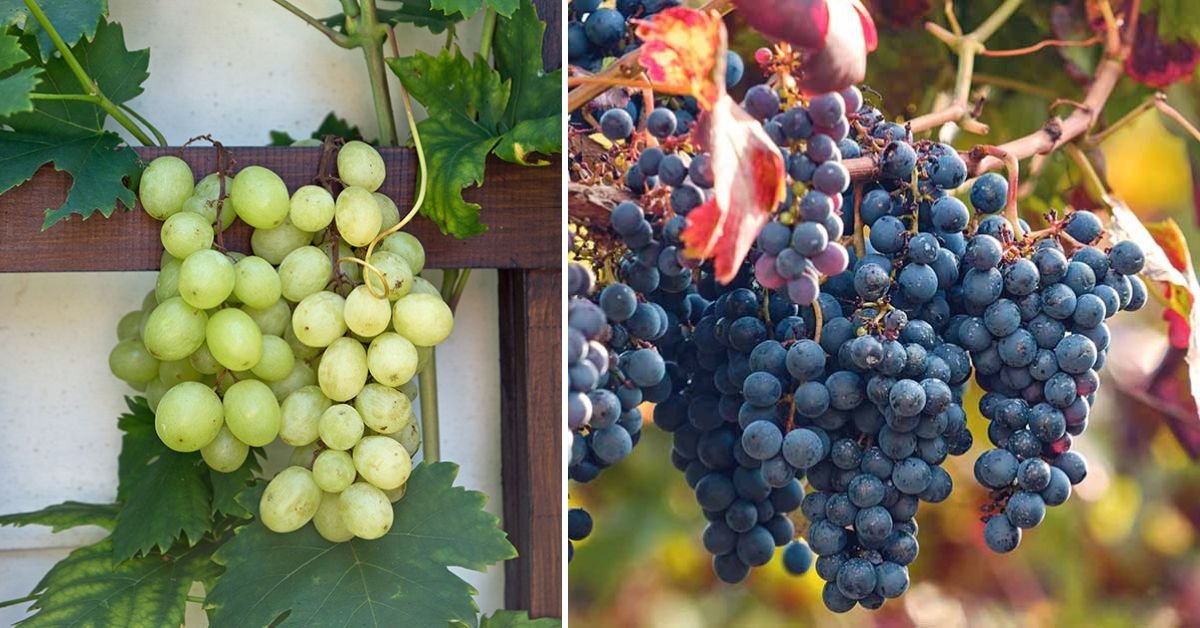
Growing grapes at home may sound like something only large vineyards can manage, but the truth is surprisingly different. Grapes are vigorous, adaptable plants that can thrive beautifully in containers when given the right care. Whether you live in an apartment, have a small balcony, or simply want better control over your plants, growing grapes in pots is a rewarding and practical option.
This complete guide walks you through every step—from choosing the right variety to harvesting plump, juicy grapes—so you can enjoy a bountiful homegrown harvest even in limited space.
Why Grow Grapes in Pots?
Container-grown grapes offer several advantages over growing them directly in the ground:
- Ideal for balconies, terraces, and small gardens
- Easier control of soil quality and drainage
- Reduced risk of soil-borne diseases
- Simple pruning and training
- Portable during extreme weather
With proper care, a single potted grapevine can produce clusters of delicious fruit year after year.
Choosing the Right Grape Variety for Pots
Not all grape varieties perform equally well in containers, so choosing the right one is essential. Look for varieties that are known for moderate growth and good productivity.
When selecting a grape plant, consider:
- Climate compatibility with your region
- Seeded or seedless preference
- Table grapes vs. wine grapes
- Disease resistance
Dwarf or moderately vigorous varieties are best for pot culture, as they are easier to manage and prune.
Best Container Size and Type
Grapes have deep, strong roots, so container size matters greatly.
- Choose a pot at least 18–24 inches deep and wide
- Larger containers support better growth and fruiting
- Clay, ceramic, or thick plastic pots all work well
- Ensure multiple drainage holes
As the vine matures, upgrading to a larger container can significantly improve yield.
Preparing the Perfect Soil Mix
Healthy soil is the foundation of successful grape growing in pots. Grapes prefer soil that is well-draining yet rich in nutrients.
An ideal potting mix includes:
- Garden soil or loamy soil
- Well-rotted compost or vermicompost
- Sand or cocopeat for improved drainage
The soil should be slightly acidic to neutral and loose enough for roots to spread easily.
Planting Grapes in Pots
Step-by-Step Planting
- Place small stones or broken pottery at the bottom of the pot
- Add prepared soil mix up to halfway
- Position the grape sapling carefully
- Fill the pot with soil and gently press down
- Water thoroughly to settle the soil
Planting is best done during mild weather, avoiding extreme heat or cold.
Sunlight and Location Requirements
Grapes love sunlight and will not fruit well without it.
- Provide 6–8 hours of direct sunlight daily
- Place pots in open, airy locations
- Good airflow helps prevent fungal diseases
If grown indoors or on a shaded balcony, fruit production may be limited.
Watering Grapevines in Containers
Watering is one of the most important aspects of container grape care.
- Water deeply when the topsoil feels dry
- Avoid frequent shallow watering
- Ensure excess water drains freely
Overwatering can cause root rot, while underwatering may lead to poor fruit development and leaf drop.
Feeding and Fertilization
Potted grapevines rely entirely on you for nutrients.
- Add compost every 4–6 weeks during the growing season
- Use organic liquid fertilizers occasionally
- Reduce nitrogen once flowering begins
Balanced feeding encourages strong vines, healthy leaves, and better fruit clusters.
Training and Supporting the Vine
Grapes are climbing plants and need support to grow properly.
Common Support Options
- Trellis
- Balcony railing
- Wire frame
- Vertical poles
Training the vine upward improves sunlight exposure, airflow, and fruit quality.
Pruning: The Key to Heavy Harvests
Pruning is essential for grape production. Without pruning, vines grow lots of leaves but very few fruits.
Basic Pruning Tips
- Prune during dormancy or after leaf drop
- Remove old, weak, or overcrowded branches
- Retain healthy canes for fruiting
Grapes form on new growth emerging from last year’s wood, making proper pruning crucial.
Flowering and Fruit Formation
Grapevines typically start flowering in their second or third year. Small green flowers appear first, followed by tiny grape clusters.
To support fruit formation:
- Maintain consistent watering
- Avoid stress from nutrient deficiency
- Do not over-prune during flowering
Fruit development usually takes 2–4 months, depending on variety and climate.
Common Problems and Their Solutions
Some challenges you may encounter include:
- Yellowing leaves: Nutrient deficiency or poor drainage
- Powdery mildew: Improve airflow and avoid wet leaves
- Bird damage: Use nets to protect ripening grapes
Regular observation helps address problems before they affect the harvest.
Harvesting Grapes from Pots
Grapes are ready to harvest when:
- They reach full color
- Taste sweet and juicy
- Detach easily from the stem
Unlike some fruits, grapes do not ripen after harvesting, so pick them only when fully ripe.
Tips for Bigger and Sweeter Grapes
- Ensure full sun exposure
- Prune properly every year
- Avoid overwatering during ripening
- Feed with potassium-rich nutrients
Small improvements in care can lead to noticeably better fruit quality.
Final Thoughts
Growing grapes in pots at home is not only possible—it’s incredibly rewarding. With the right container, good soil, sufficient sunlight, and regular pruning, you can enjoy fresh, sweet grapes even in limited space. From the first tender leaves to heavy fruit clusters, container-grown grapevines bring beauty, productivity, and satisfaction to any home garden.
By following this step-by-step guide, you can confidently grow grapes in pots and look forward to a bountiful harvest season after season—right from your own home.