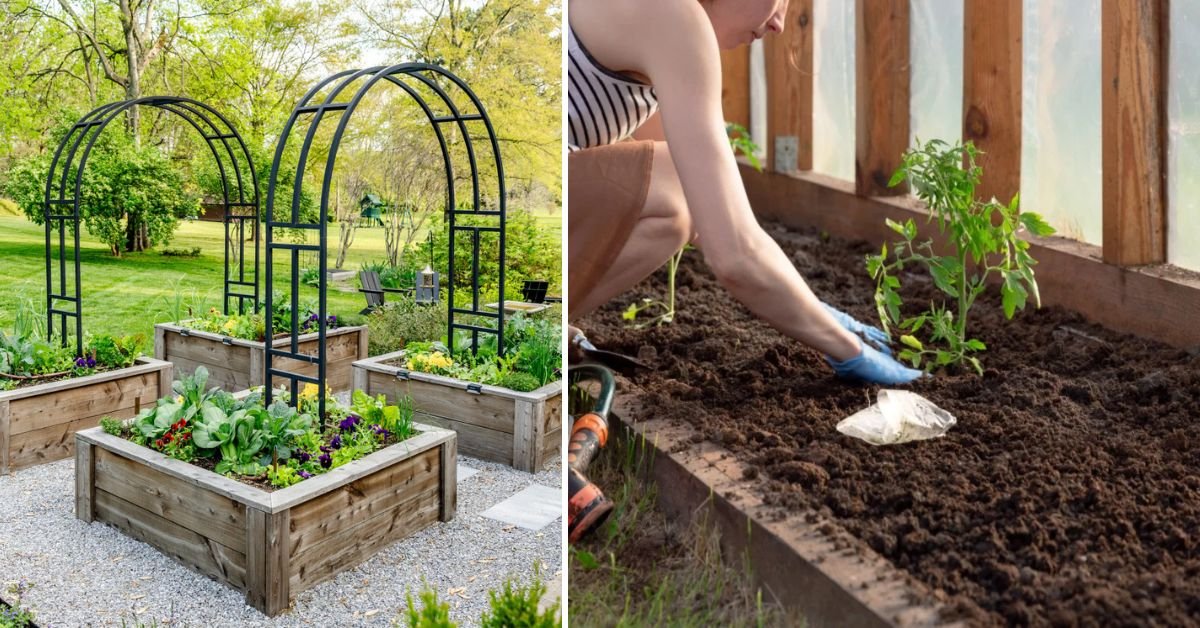
Raised bed gardening has become one of the most popular methods for growing vegetables, herbs, and flowers—and for good reason. Whether you are a beginner gardener or an experienced grower, raised beds offer better soil control, improved drainage, higher yields, and easier maintenance. By creating a raised bed, you can transform even poor or compacted ground into a fertile growing space that produces healthier plants and more abundant harvests. This complete guide will walk you through everything you need to know to build and use a raised bed successfully.
Why Choose Raised Bed Gardening?
Raised beds provide several advantages over traditional in-ground gardening. Because the soil is elevated, it warms up faster in spring, allowing you to plant earlier and extend the growing season. The improved drainage prevents waterlogging and root rot, while loose soil encourages strong root development.
Other benefits include:
- Better control over soil quality and nutrients
- Fewer weeds and easier weed management
- Reduced soil compaction since you never step on the growing area
- Easier access for planting, watering, and harvesting
For gardeners with limited space, poor soil, or physical limitations, raised beds are a practical and highly productive solution.
Choosing the Right Location
The success of your raised bed starts with choosing the right spot. Most crops need plenty of sunlight, so select an area that receives at least 6–8 hours of direct sun daily. Observe your garden throughout the day to ensure the chosen location is not shaded by trees, buildings, or fences.
Also consider:
- Proximity to a water source for easy irrigation
- Good air circulation to reduce disease problems
- A relatively level surface to ensure even soil depth
Once the location is chosen, clear the area of grass, weeds, and debris.
Deciding on Raised Bed Size and Height
Raised beds come in many sizes, and the best dimensions depend on your available space and what you plan to grow. A common and practical width is 3–4 feet, which allows you to reach the center of the bed from either side without stepping on the soil.
Typical guidelines include:
- Length: As long as space allows, often 6–10 feet
- Height: 8–12 inches for most vegetables; 12–18 inches for root crops or poor soil conditions
Taller beds are also ideal for gardeners who want to reduce bending and strain.
Selecting Materials for Your Raised Bed
Raised beds can be built from a variety of materials, each with its own benefits.
Common options include:
- Wood: Untreated cedar or redwood is durable and naturally rot-resistant
- Bricks or concrete blocks: Long-lasting and sturdy
- Metal: Modern and durable, but may heat up quickly in hot climates
Avoid using chemically treated wood, as it may leach harmful substances into the soil. Choose materials that are safe, durable, and suitable for your climate.
Step-by-Step Guide to Building a Raised Bed
Step 1: Prepare the Ground
Mark the outline of your raised bed using stakes or string. Remove weeds and grass, and loosen the soil slightly beneath the bed to improve drainage and root penetration.
Step 2: Assemble the Frame
Cut your chosen material to the desired size. Secure the corners tightly using screws, brackets, or mortar, depending on the material. Make sure the frame is level and sturdy.
Step 3: Add a Base Layer (Optional)
If weeds or pests are a concern, line the bottom with cardboard or landscape fabric. This suppresses weeds while still allowing water to drain and roots to grow.
Step 4: Position the Bed
Place the assembled frame in its final location. Double-check that it sits evenly on the ground to ensure consistent soil depth.
Filling Your Raised Bed with the Right Soil Mix
Soil quality is one of the biggest advantages of raised bed gardening. Instead of relying on native soil, you can create a rich, balanced growing medium tailored to your crops.
A popular raised bed soil mix includes:
- 40% garden soil or topsoil
- 40% compost or well-rotted manure
- 20% coarse sand or coco peat for drainage
Mix thoroughly before filling the bed. This blend provides nutrients, retains moisture, and allows excess water to drain freely.
Choosing Crops for Raised Beds
Almost any crop can be grown in a raised bed, but some thrive particularly well. Vegetables like tomatoes, lettuce, carrots, peppers, spinach, beans, and herbs are excellent choices.
When planning your bed:
- Group plants with similar water and sunlight needs
- Follow spacing recommendations to avoid overcrowding
- Practice crop rotation each season to maintain soil health
Raised beds also work well for intensive planting, allowing you to grow more food in less space.
Watering and Mulching for Healthier Harvests
Raised beds tend to dry out faster than ground soil, so consistent watering is essential. Water deeply to encourage roots to grow downward. Drip irrigation or soaker hoses are ideal for raised beds, as they deliver water directly to the roots.
Mulching with straw, dry leaves, or compost helps:
- Retain soil moisture
- Suppress weeds
- Regulate soil temperature
Mulch also improves soil structure as it breaks down over time.
Feeding and Maintaining Your Raised Bed
Because raised beds are intensively planted, nutrients can be used up more quickly. Enrich the soil regularly by adding compost at the beginning of each growing season. Liquid organic fertilizers or compost tea can provide an extra boost during active growth.
Regular maintenance includes:
- Removing weeds early
- Monitoring for pests and diseases
- Replenishing soil and compost annually
Healthy soil is the key to long-term success with raised bed gardening.
Common Mistakes to Avoid
Some beginners make the mistake of using poor-quality soil or skipping compost, which limits plant growth. Overcrowding plants is another common issue that leads to reduced airflow and disease.
Avoid walking or leaning on the soil inside the bed, as this compacts the soil and reduces root growth. With proper care and attention, raised beds remain productive for many years.
Conclusion
Creating a raised bed for growing crops is one of the smartest steps you can take toward healthier plants and more abundant harvests. With better soil control, improved drainage, and easier maintenance, raised beds make gardening more enjoyable and productive for everyone. By following this step-by-step guide—choosing the right location, building a sturdy frame, filling it with rich soil, and providing proper care—you can transform any space into a thriving garden. Raised bed gardening not only boosts yields but also brings satisfaction, sustainability, and fresh, homegrown food straight to your table.