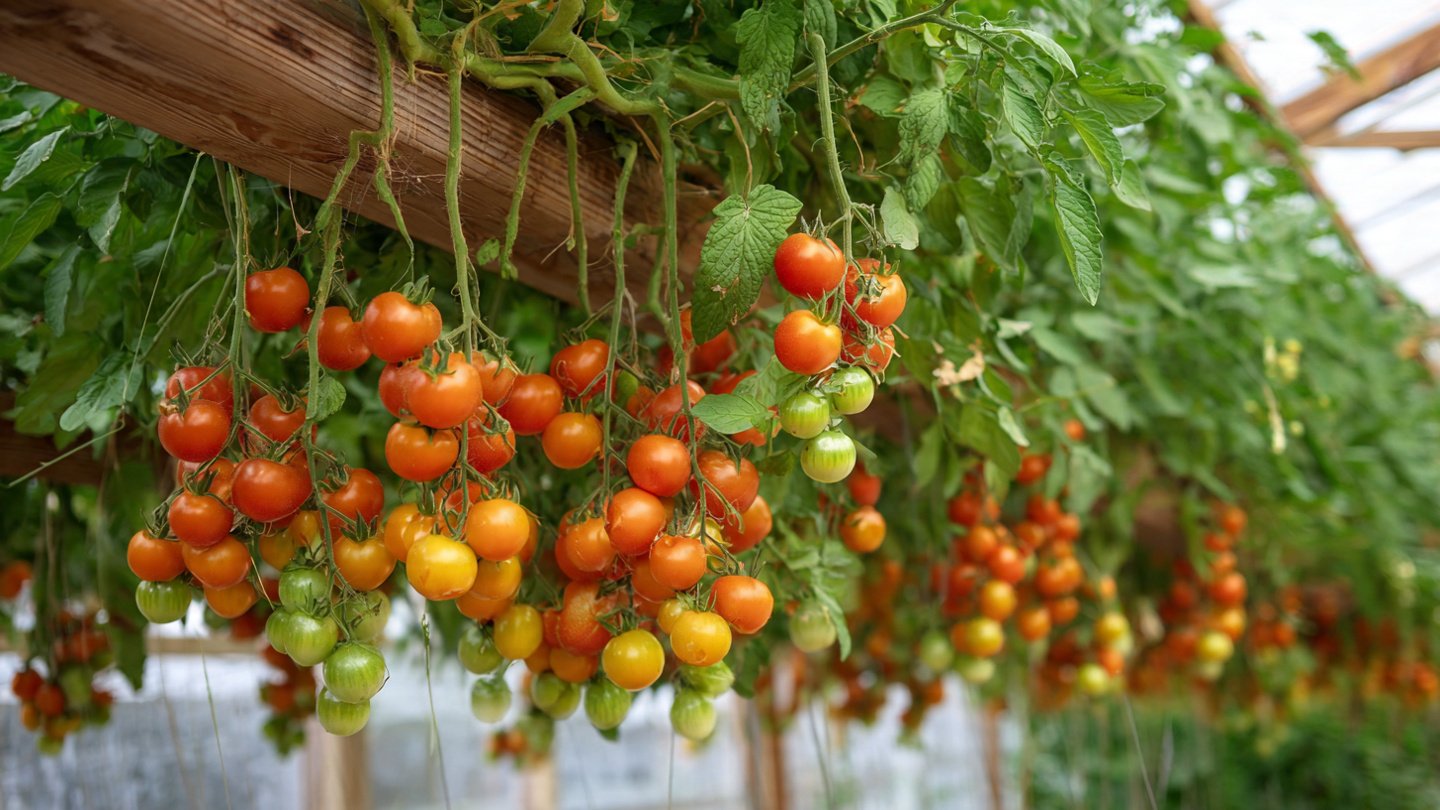
Tomatoes are a favorite for home gardeners, but limited space often makes growing them a challenge. Traditional tomato plants require deep soil, support structures, and ample ground space. Enter inverted tomato gardening, a creative method that allows gardeners to grow tomatoes upside down in hanging containers. This innovative technique saves space, reduces pests and diseases, and can even increase yield if done correctly. In this guide, we’ll explore step-by-step instructions, tips, and best practices for successfully growing inverted tomato plants.
Why Grow Tomatoes Inverted?
Growing tomatoes upside down may seem unconventional, but it offers several advantages:
- Space-saving: Perfect for balconies, patios, and small yards.
- Improved air circulation: Reduces the risk of fungal diseases like blight.
- Less bending and staking: Gravity supports fruit naturally, minimizing plant stress.
- Cleaner fruit: Tomatoes hang free from soil, reducing rot and soil-borne pests.
- Fun and innovative: Adds an interesting visual element to any garden.
This method works especially well for gardeners with limited space but a desire for a continuous harvest.
Choosing the Right Tomato Varieties
Not all tomato varieties are suitable for inverted gardening. Compact, determinate, or bush types are ideal because they are easier to manage and produce abundant fruit without sprawling.
Recommended varieties for inverted tomato gardening:
- Patio Princess: Dwarf variety, perfect for hanging containers.
- Tiny Tim: Cherry tomatoes, compact growth, excellent for balconies.
- Tumbling Tom: Trailing cherry tomatoes, naturally suited for hanging baskets.
- Balcony Star: Small, bushy plants that perform well in containers.
- Sweet Million: Cherry variety that produces clusters of flavorful fruits.
Selecting compact varieties ensures your inverted tomatoes are manageable, productive, and visually appealing.
Materials Needed for Inverted Tomato Gardening
To get started, you’ll need a few basic materials:
- Sturdy hanging container or inverted tomato planter (with a hole at the bottom for the plant)
- High-quality potting mix rich in organic matter
- Tomato seedlings or seeds
- Fertilizer (slow-release or liquid)
- Hooks or brackets for hanging
- Optional: lightweight mulch for top layer
Using lightweight, durable containers is essential to safely hang your plants and support their growing fruits.
Planting Inverted Tomatoes
Preparing the Container:
- Select a hanging container capable of holding at least 10–15 liters of soil.
- Cut a hole in the bottom (for upside-down planting), large enough for the tomato seedling’s root ball.
- Line the inside with the potting mix, leaving enough space for roots and drainage.
Transplanting Seedlings:
- Carefully remove the seedling from its nursery pot.
- Insert the plant through the hole at the bottom of the container, ensuring the roots are fully surrounded by soil.
- Fill the container around the roots with more potting mix.
- Hang the planter securely in a sunny location with at least 6–8 hours of direct sunlight per day.
Proper transplanting prevents root damage and ensures the plant can thrive upside down.
Soil and Fertilization
Tomatoes are heavy feeders and require nutrient-rich soil.
- Use a high-quality potting mix with compost or well-rotted manure.
- Include perlite or coco peat to improve drainage and aeration.
- Apply slow-release fertilizer at planting and supplement with liquid fertilizer every 2–3 weeks.
- For continuous fruiting, a potassium-rich fertilizer during flowering and fruit set promotes healthy fruits.
Healthy, nutrient-dense soil is key to maximizing yield in hanging tomato systems.
Watering Inverted Tomato Plants
Proper watering is critical because hanging containers dry faster than ground beds.
- Water deeply, allowing water to soak through the soil and reach roots.
- Check soil moisture daily, especially during hot weather.
- Use a watering can with a long spout to reach the planter easily.
- Mulching the top soil helps retain moisture and prevent evaporation.
Maintaining consistent moisture ensures strong growth and prevents fruit drop.
Supporting Growth
While inverted tomato plants rely on gravity to some extent, additional support can prevent breakage:
- Use lightweight ties to secure the main stem to the container if needed.
- Regularly remove lower leaves to improve airflow.
- Pinch off excessive side shoots on indeterminate varieties to focus energy on fruiting.
Supportive pruning encourages healthy growth and maximizes the number of tomatoes produced.
Pollination Tips
Inverted tomatoes may require a little extra help for pollination since they hang upside down:
- Gently shake flowers or use a small brush to transfer pollen between flowers.
- Attract pollinators such as bees and butterflies if the planters are outdoors.
- Vibrating the flowers slightly mimics natural pollination and increases fruit set.
Effective pollination ensures more fruits develop per plant.
Pest and Disease Management
Inverted tomato gardening reduces soil-borne pests and diseases, but some issues may still arise:
- Aphids and whiteflies: Spray with neem oil or insecticidal soap.
- Blossom-end rot: Maintain consistent watering and provide calcium-rich fertilizer.
- Fungal diseases: Ensure good air circulation and remove affected leaves promptly.
Regular inspection and preventive care help maintain plant health and yield.
Harvesting Tips
- Tomatoes grown upside down ripen evenly and stay clean.
- Harvest fruits when fully colored and firm to the touch.
- Regular harvesting encourages continuous production.
- For indeterminate varieties, pick ripe fruits while leaving immature ones to grow.
With consistent care, you can enjoy fresh tomatoes multiple times per week throughout the growing season.
Maximizing Yield in Limited Space
To get the most from your inverted tomato plants:
- Succession planting: Plant new seedlings every 4–6 weeks for continuous harvests.
- Use multiple hanging containers: Vertical space allows several plants without crowding.
- Focus on compact varieties: Prevents overcrowding and ensures strong growth.
- Fertilize regularly: Keeps plants productive and encourages flower and fruit formation.
These strategies allow even balcony gardeners to enjoy a bountiful tomato harvest year-round.
Final Thoughts
Inverted tomato gardening is a fun, creative, and highly efficient way to grow fresh tomatoes in limited space. By choosing suitable compact varieties, preparing nutrient-rich soil, watering consistently, providing support, and practicing proper pollination, gardeners can enjoy maximized space and abundant yields.
Whether you’re gardening on a balcony, terrace, or small patio, upside-down tomato plants offer a unique visual appeal and practical solution for urban gardening. With proper care, this innovative technique can provide fresh, flavorful tomatoes throughout the year, making your home garden productive, attractive, and fun.