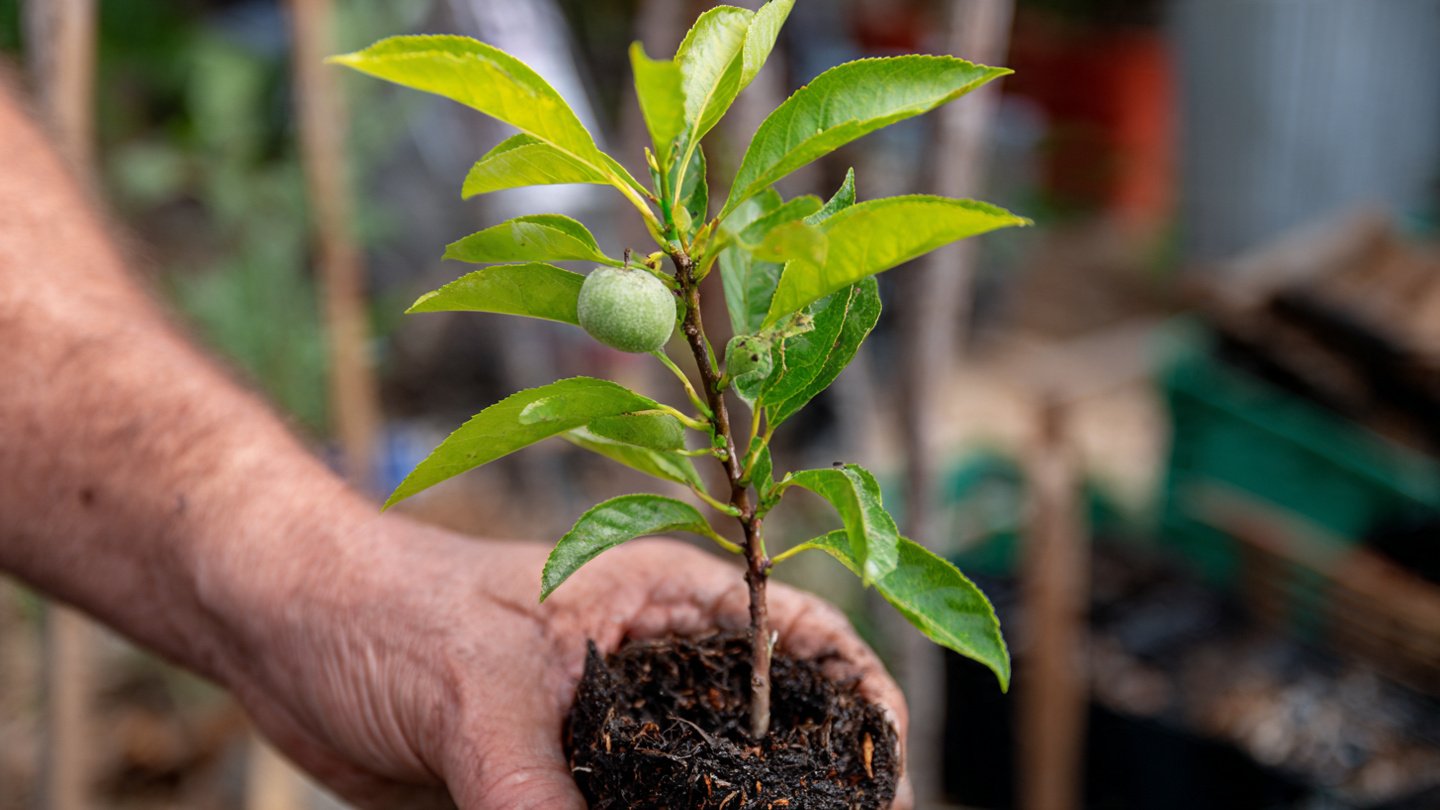
Air layering is a time-tested horticultural technique that allows gardeners to propagate fruit trees efficiently while producing strong, healthy new plants. Unlike traditional methods like planting seeds or taking cuttings, air layering encourages roots to develop on a branch while it is still attached to the parent tree. This method produces mature, vigorous plants faster, maintains the genetic qualities of the parent, and can dramatically improve the success rate of propagation.
Whether you are growing mango, citrus, guava, jackfruit, or other fruit trees, air layering offers an effective way to expand your orchard or share trees with friends. This guide will explain everything you need to know about air layering, from selecting the right branch to rooting, transplanting, and caring for newly propagated trees.
What Is Air Layering?
Air layering is a vegetative propagation method that encourages a branch to grow roots while still attached to the parent plant. The process involves wounding the branch, applying rooting hormone, wrapping it in a moisture-retaining medium, and covering it until roots form. Once sufficient roots develop, the branch is cut and planted in soil, resulting in a new tree.
Key benefits of air layering include:
- Faster Maturity: Air-layered plants often fruit sooner than seedlings because they start with mature tissue.
- Genetic Consistency: Produces plants identical to the parent tree, preserving desired traits such as fruit quality and disease resistance.
- Higher Success Rate: Air layering reduces the risk of transplant shock compared to cuttings or bare-root plants.
- Versatility: Works well for many fruit trees and shrubs that are difficult to propagate from seed or cuttings.
Choosing the Right Branch
Success begins with selecting a healthy, suitable branch:
- Age of Branch: Choose a semi-mature, flexible branch that is 1–2 years old. Avoid very young shoots or overly woody, old branches.
- Branch Size: A diameter of ½ to 1 inch is ideal, as it provides sufficient material for rooting while remaining manageable.
- Health: Select a branch free of disease, pests, and damage. Healthy leaves indicate strong vascular activity, which is essential for root development.
- Position: Branches that receive adequate sunlight and have enough space for wrapping are easier to manage and tend to root faster.
Proper branch selection improves the likelihood of successful root formation.
Materials Needed
To air layer successfully, gather the following materials:
- Sharp Knife or Grafting Tool: For making a clean incision.
- Rooting Hormone: Optional but increases root initiation.
- Moist Medium: Sphagnum moss is most common, but coconut coir, peat moss, or a mix works well.
- Plastic Wrap or Poly Bag: To retain moisture around the wounded section.
- Twist Ties, Tape, or String: To secure the medium and plastic.
- Pruning Shears: For cutting and transplanting once roots form.
Having all materials prepared beforehand ensures the process goes smoothly and reduces stress on the branch.
Step-by-Step Guide to Air Layering
1. Prepare the Branch
- Select a healthy branch and choose a spot 12–18 inches from the tip.
- Remove leaves from the selected section, leaving a few leaves at the ends to maintain photosynthesis.
- Make a shallow upward cut or remove a 1–2 inch ring of bark around the branch to expose the inner cambium layer.
This wounding encourages root initiation while still allowing the branch to transport nutrients.
2. Apply Rooting Hormone
- Apply rooting hormone powder or gel to the exposed area to stimulate root growth.
- Ensure the hormone covers the wounded surface evenly but avoid excess, which may inhibit growth.
Rooting hormones can increase the success rate, especially for woody branches that are slow to root naturally.
3. Wrap with Moist Medium
- Soak sphagnum moss or chosen medium until damp but not waterlogged.
- Wrap the moist medium around the wounded area, covering it completely.
- Secure the medium with plastic wrap or a poly bag to maintain moisture and prevent drying.
- Tie the ends securely with string, tape, or twist ties, leaving a little air circulation to prevent mold.
Moisture retention is crucial, as roots form more efficiently in a consistently damp environment.
4. Monitor and Maintain
- Check the air layer every 2–3 weeks. Ensure the medium remains moist. If it dries out, mist with water.
- Avoid disturbing the wrap unnecessarily to prevent damaging emerging roots.
- Depending on the species and climate, roots may form in 6–12 weeks. Tropical fruit trees like mango or guava may root faster, while temperate species take longer.
Patience and careful monitoring are essential for successful root development.
Harvesting and Planting the New Tree
Once sufficient roots have formed, it’s time to separate the branch and plant it:
- Cut the Branch: Use sharp pruning shears to cut the rooted section just below the new root mass.
- Prepare the Pot or Planting Site: Use well-draining soil, enriched with compost, and a container or prepared garden bed.
- Planting: Plant the rooted branch at the same depth it was growing while attached to the parent tree. Firm the soil gently around the roots.
- Watering: Water thoroughly to settle soil around roots. Maintain consistent moisture for the first few weeks.
- Protection: Shield the newly planted tree from direct sun, wind, or pests until it establishes.
Proper handling during this stage minimizes transplant shock and ensures vigorous growth.
Caring for Air-Layered Trees
After planting, proper care promotes healthy development:
- Watering: Keep soil evenly moist but avoid waterlogging. Deep watering encourages strong root establishment.
- Fertilization: Start with a diluted balanced fertilizer after 4–6 weeks to promote growth. Gradually increase as the tree matures.
- Mulching: Apply organic mulch to conserve moisture, suppress weeds, and regulate soil temperature.
- Pruning: Remove damaged or weak branches, and shape the tree to encourage strong growth and fruit production.
- Pest Control: Monitor for aphids, scale, or fungal issues, treating early with organic or chemical controls as needed.
Consistent care during the early establishment period determines long-term health and fruiting potential.
Advantages of Air Layering Compared to Other Propagation Methods
Air layering offers distinct benefits over seeds, cuttings, or grafting:
- Faster Fruiting: Trees propagated by air layering are mature tissue clones and produce fruit sooner than seedlings.
- Higher Success Rate: Reduces the risk of failure seen in some cuttings, particularly with woody plants.
- Genetic Fidelity: Ensures the new tree inherits all traits of the parent, including fruit quality and disease resistance.
- Minimal Stress: Unlike cuttings, the branch remains attached to the parent until roots develop, reducing shock.
For gardeners seeking reliable, rapid propagation of high-quality fruit trees, air layering is often the method of choice.
Troubleshooting Common Problems
Even with careful technique, some challenges can arise:
- Drying Medium: If the moss dries out, roots may fail to form. Regularly check moisture levels.
- Mold or Rot: Excess moisture or poor air circulation can encourage mold. Loosen wrap slightly and reduce humidity if necessary.
- Slow Rooting: Some species root slower due to environmental conditions or branch age. Be patient and avoid disturbing the site.
- Pests: Aphids or scale insects may attack the exposed area. Use insecticidal soap or neem oil to prevent damage.
By monitoring conditions carefully, gardeners can prevent most common air-layering issues.
Tips for Maximum Success
- Select Healthy Parent Trees: Vigorous, disease-free trees produce the best results.
- Use Semi-Mature Branches: Avoid overly young or old wood for faster rooting.
- Maintain Moisture: Consistent moisture is critical to stimulate root growth.
- Protect from Extreme Conditions: Shield air layers from intense sun or wind.
- Label Layers: If propagating multiple branches, label each to track timing and species.
Following these tips increases your chances of successful air layering and strong plant development.
Conclusion
Air layering is an effective, efficient, and reliable method for propagating fruit trees. By stimulating root formation while the branch remains attached to the parent tree, gardeners can produce genetically identical, vigorous trees that fruit faster than seedlings. With proper selection of branches, preparation of rooting medium, careful monitoring, and post-transplant care, air layering allows for consistent success across a variety of fruit species.
This technique not only accelerates orchard expansion but also preserves desired traits, making it an essential tool for home gardeners, commercial growers, and enthusiasts seeking sustainable propagation. Whether you aim to propagate mangoes, citrus, guavas, or any other fruit tree, air layering provides a practical, rewarding way to grow healthy, productive trees from your existing plants. With patience, attention to detail, and proper care, you can enjoy the satisfaction of propagating your fruit trees successfully while enhancing your garden with new, thriving plants.