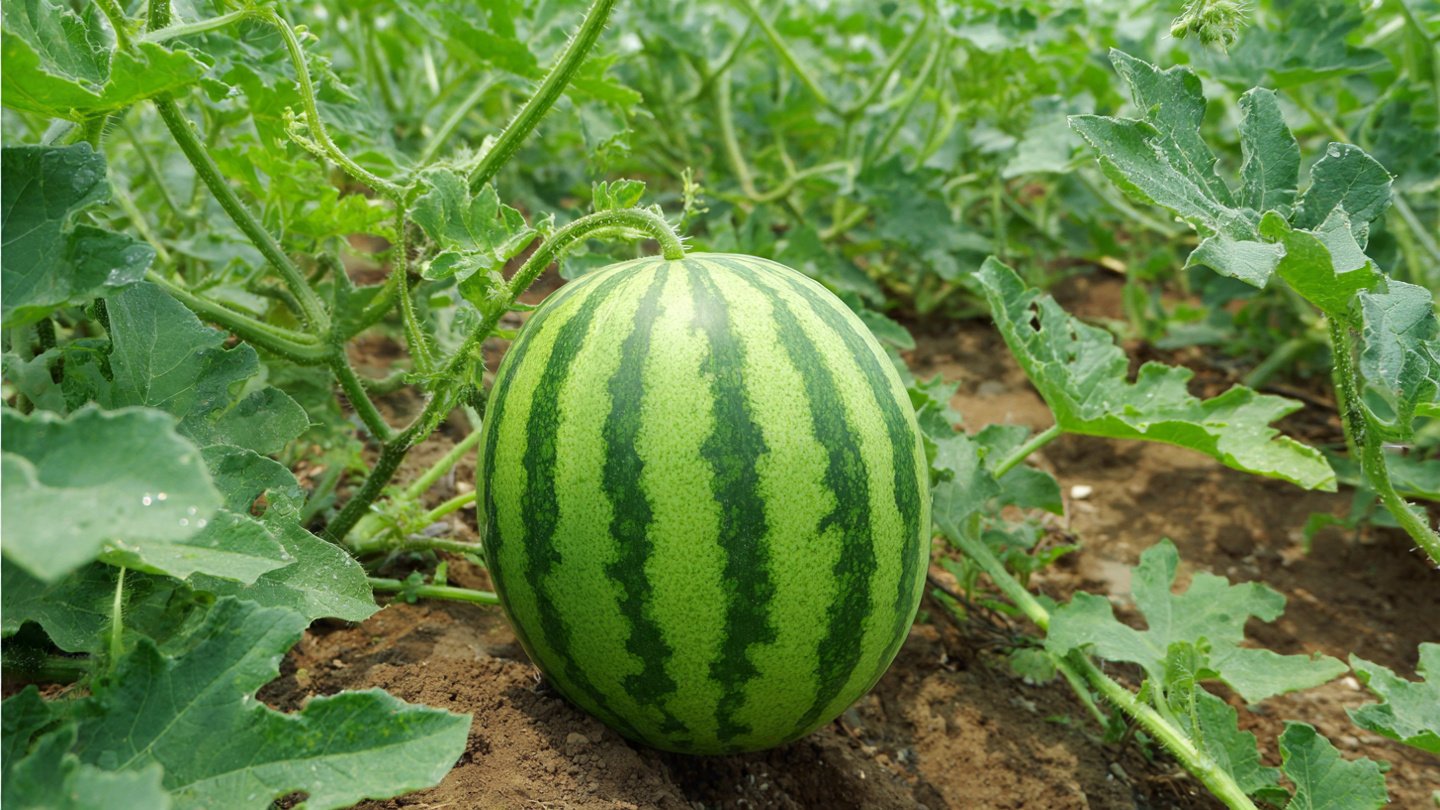
Watermelon is the quintessential summer fruit—sweet, refreshing, and perfect for hot days. While most people are familiar with traditional seeded watermelons, seedless varieties have become increasingly popular because of their convenience and crisp, sweet flesh. Growing seedless watermelon at home may sound intimidating, but with the right approach, it’s entirely achievable. This guide will take you through everything from selecting seeds to harvesting juicy, homegrown seedless watermelons successfully.
Understanding Seedless Watermelon
Before diving into planting, it’s important to understand what “seedless” actually means. Seedless watermelons aren’t genetically modified; rather, they are a product of hybridization. Traditional watermelon is diploid (two sets of chromosomes), while seedless watermelons are triploid (three sets of chromosomes). This genetic setup prevents seed formation.
Because of this, seedless watermelon seeds are more delicate and require careful handling to germinate. You cannot save seeds from a seedless watermelon for future planting—they won’t produce another plant.
Choosing the Right Variety
Selecting the right seedless watermelon variety is crucial for home gardeners. Some popular varieties include:
- ‘Sugar Baby’ Seedless: Small, dark green, very sweet, perfect for small gardens or containers.
- ‘Tri-X 313’ Seedless: Medium to large size, resistant to common diseases, high-yielding.
- ‘Mini Love’ Seedless: Compact variety suitable for container gardening.
- ‘Crimson Sweet’ Seedless Hybrid: Large, elongated melons with vibrant red flesh.
Consider your growing space and climate. Smaller varieties are ideal for home gardens, balconies, or containers, while larger varieties need more space and support.
Preparing for Planting
Timing
Watermelon is a warm-season crop. Seedless varieties require a long growing season of about 80–100 days. Start seeds indoors 3–4 weeks before the last expected frost in your area. This ensures strong seedlings before transplanting them outside.
Soil Requirements
Watermelons thrive in well-draining, fertile soil with a pH of 6.0–6.8. They prefer sandy loam or loamy soil that retains moisture but doesn’t become waterlogged. Adding compost or well-rotted manure improves fertility and soil structure.
Containers vs. Ground
While traditional planting in the garden works well, seedless watermelons can also grow in large containers (20–30 gallons). Container planting is especially useful for small spaces, patios, or urban gardens.
Germinating Seedless Watermelon Seeds
Seedless watermelon seeds are trickier to germinate than regular seeds because of their hybrid nature. Here’s how to maximize success:
- Warmth: Maintain a temperature of 70–95°F (21–35°C). Seedless watermelon seeds germinate slowly in cooler conditions.
- Soaking: Soak seeds in warm water for 24–48 hours before planting to soften the seed coat and encourage sprouting.
- Planting Depth: Sow seeds ¼–½ inch deep in seed-starting mix.
- Light: Place trays or pots in a sunny window or under grow lights for 12–16 hours a day.
- Moisture: Keep the soil consistently moist but not waterlogged. Using a spray bottle works well to avoid dislodging tiny seeds.
Germination can take 7–14 days, sometimes longer than regular watermelon seeds. Patience is key.
Transplanting Seedlings
Once seedlings have 2–3 true leaves and the outdoor temperature consistently stays above 70°F (21°C), they are ready for transplanting. Harden them off by gradually exposing them to outdoor conditions over 7–10 days.
When transplanting:
- Space plants 3–4 feet apart in rows or hills, with at least 6 feet between rows.
- Plant seedlings at the same depth they were in their pots.
- Water immediately after transplanting to reduce transplant shock.
Caring for Seedless Watermelon Plants
Proper care ensures healthy growth and high yields.
Watering
Watermelons are thirsty plants. Provide deep, consistent watering 1–2 times per week, depending on weather. Reduce watering when fruits start ripening to enhance sweetness. Avoid overhead watering; instead, water at the base to prevent leaf diseases.
Mulching
Apply a layer of mulch around the base of the plant to:
- Retain soil moisture.
- Suppress weeds.
- Keep fruits clean and reduce rot.
Straw, grass clippings, or black plastic mulch works well.
Fertilizing
Seedless watermelons are heavy feeders. Use a balanced fertilizer:
- Early growth: Higher in nitrogen to encourage leaf development.
- Flowering and fruiting: Switch to fertilizer higher in phosphorus and potassium to support blooms and fruit formation.
- Liquid fertilizers or compost tea can provide a nutrient boost.
Pollination
Seedless watermelons require pollination from a diploid (seeded) watermelon plant nearby. The male flowers of the diploid plant provide viable pollen to fertilize the female flowers of the seedless watermelon. Without proper pollination, seedless fruits won’t form.
Tips for pollination:
- Plant a few diploid watermelon plants nearby if space allows.
- Hand-pollinate flowers using a small brush or cotton swab if bees are scarce.
- Watermelons produce male flowers first, followed by female flowers, so timely pollination is essential.
Controlling Pests and Diseases
Watermelon plants can be affected by pests like aphids, cucumber beetles, and squash bugs. Common diseases include powdery mildew, fusarium wilt, and downy mildew.
Prevention tips:
- Rotate crops annually to prevent soil-borne diseases.
- Use floating row covers to protect young plants from insects.
- Remove infected leaves promptly.
- Ensure good air circulation by spacing plants properly and pruning excess foliage.
Harvesting Seedless Watermelon
Harvesting at the right time is crucial for sweetness and texture. Signs of ripeness include:
- Tendrils: The tendril closest to the fruit stem dries and turns brown.
- Ground Spot: The area where the melon touches the soil turns from white to creamy yellow.
- Sound: Tap the melon; a ripe watermelon will produce a deep, hollow sound.
- Color and Shape: Look for a uniform color and slightly dull skin. Shiny skin may indicate underripe fruit.
Seedless watermelons should be harvested carefully to avoid bruising. Use a sharp knife or pruners to cut the fruit from the vine, leaving a small stem attached.
Storing Watermelon
Seedless watermelons have a relatively long shelf life if stored properly:
- Whole Fruit: Keep at room temperature for up to 1 week, or refrigerate for 2–3 weeks.
- Cut Fruit: Store in airtight containers in the fridge for 3–5 days. Wrap cut portions in plastic wrap to retain moisture.
Tips for Maximizing Your Yield
- Space Wisely: Vine training or trellising can save space, especially for smaller varieties.
- Consistent Care: Regular watering, fertilization, and weeding lead to healthier plants.
- Sunlight: Ensure plants get at least 6–8 hours of full sun daily.
- Temperature: Seedless watermelons prefer warm nights; avoid planting too early.
- Pollination Plan: Ensure nearby diploid plants or plan hand pollination to ensure fruit set.
Growing in Containers
Seedless watermelons adapt well to container gardening, which is ideal for small spaces or urban homes. Use a 30–40 gallon container with drainage holes and follow the same care routine. Container-grown melons may require support for heavier fruits—consider using a sling made from fabric to hold the melon as it grows.
Fun Variations
- Mini Seedless Varieties: Perfect for small patios or decks.
- Companion Planting: Plant marigolds nearby to repel pests.
- Vertical Growth: Train vines along a trellis to save ground space.
Final Thoughts
Growing seedless watermelon at home is an incredibly rewarding experience. With careful seed germination, proper soil and watering management, and attention to pollination, even novice gardeners can enjoy sweet, juicy fruits straight from their garden. Whether you have a backyard garden, a balcony, or a container setup, seedless watermelons offer a delicious summer harvest that will impress family and friends.
By following this complete guide—from selecting seeds to proper harvest techniques—you’ll be well on your way to enjoying your own supply of refreshing, homegrown seedless watermelons. Remember, patience and consistent care are key to success, and the results are well worth the effort.