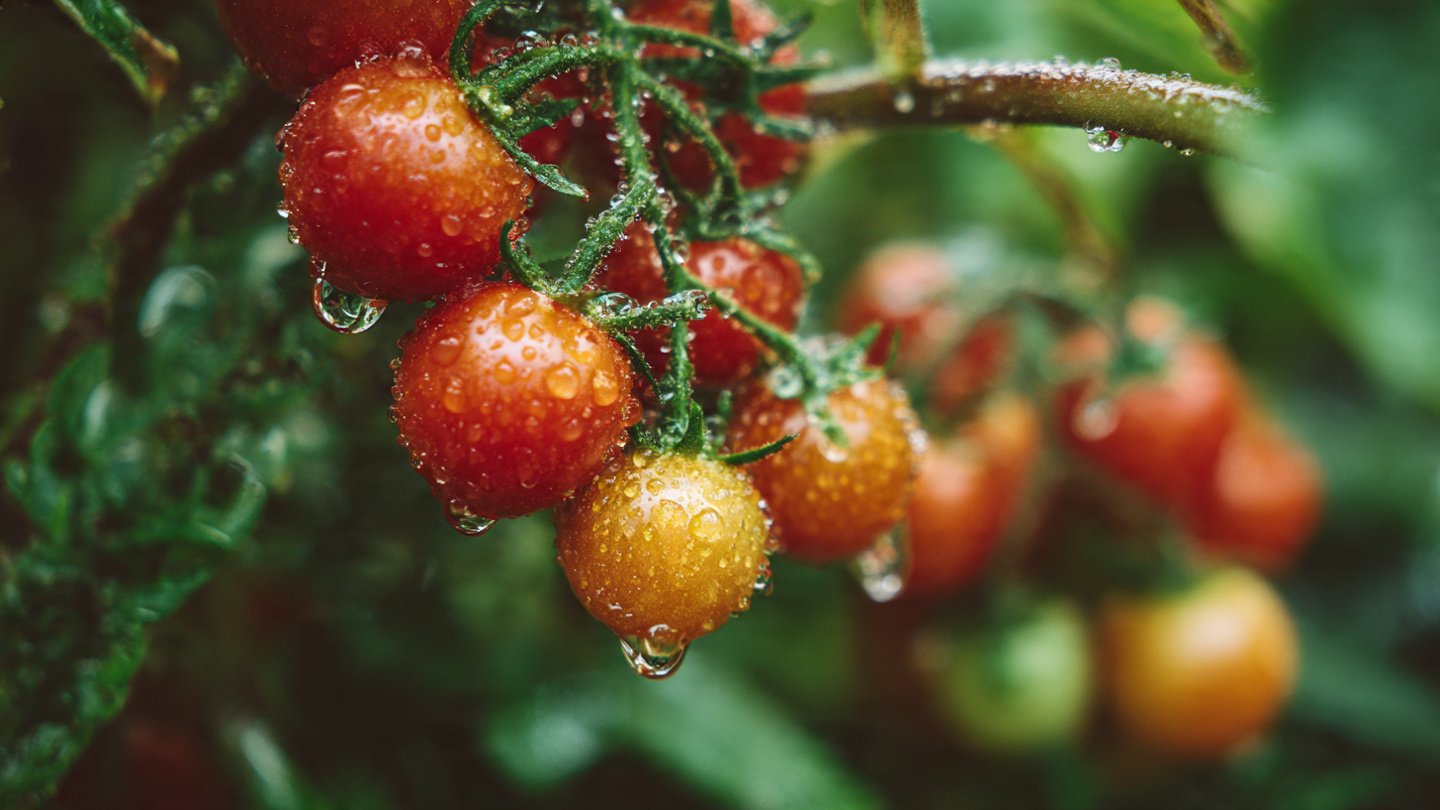
Tomatoes are a staple in kitchens worldwide, but not all tomatoes are created equal. While most gardeners are familiar with round, beefsteak, or cherry varieties, the Fern Tomato (Fern-Leaf Tomato) stands out as a unique and fascinating choice for home growers. Known for its delicate, fern-like foliage, exceptional flavor, and versatile growth habits, this tomato variety offers both beauty and productivity in the garden. Whether you’re a seasoned gardener or a curious beginner, learning about the fern-leaf tomato can add diversity and excitement to your vegetable patch.
What Is the Fern Tomato?
The Fern Tomato, also known as fern-leaf tomato, is an heirloom variety recognized for its finely divided, feathery leaves that resemble fern fronds. Unlike typical tomato plants with broad, coarse foliage, fern tomatoes boast slender, intricate leaves that give them a distinctive ornamental appearance.
Key characteristics of fern tomatoes include:
- Unique foliage: Feathery, fern-like leaves that add aesthetic appeal.
- Growth habit: Indeterminate varieties produce vines that continue growing throughout the season.
- Fruit appearance: Medium to large-sized, often with rich red color, smooth skin, and firm texture.
- Flavor: Sweet, tangy, and well-balanced, excellent for fresh eating, cooking, and sauces.
- Disease resistance: Many fern-leaf varieties have strong resistance to common tomato diseases.
The combination of ornamental beauty and delicious fruit makes the fern tomato a favorite among home gardeners and heirloom enthusiasts.
Why Grow Fern Tomatoes?
There are several compelling reasons to consider growing fern tomatoes in your garden:
- Unique Aesthetic: The delicate, lacy foliage adds ornamental value to your vegetable patch or container garden.
- High Yield Potential: Indeterminate fern-leaf varieties produce a steady harvest over a long growing season.
- Rich Flavor: The fruits are known for their sweet, tangy taste that is ideal for fresh salads, sauces, or canning.
- Container Friendly: Their compact yet vigorous growth makes them suitable for large pots, raised beds, or hanging baskets.
- Heirloom Variety: Fern tomatoes preserve genetic diversity and offer gardeners a connection to traditional varieties.
By growing fern tomatoes, gardeners can enjoy both visual appeal and culinary rewards.
Choosing the Right Location
Tomatoes thrive in sunny, well-drained locations, and fern tomatoes are no exception. To ensure healthy growth:
- Select a site that receives 6–8 hours of direct sunlight per day.
- Avoid areas prone to waterlogging or poor drainage.
- Ensure good air circulation to reduce the risk of fungal diseases.
For container or balcony gardening, place the pots where they receive full sun but are shielded from strong winds.
Soil Requirements for Fern Tomatoes
Fern tomatoes are moderately adaptable but perform best in rich, fertile, well-draining soil. A balanced soil mix can significantly boost growth and yield. Recommended soil preparation includes:
- 50% garden soil or topsoil: Provides structure and minerals.
- 30% compost or well-rotted manure: Supplies essential nutrients and improves soil fertility.
- 20% perlite, vermiculite, or sand: Enhances drainage and aeration.
Maintain a slightly acidic to neutral pH (6.0–7.0) for optimal nutrient uptake. Enrich the soil before planting with organic fertilizers to give seedlings a strong start.
Planting Fern Tomatoes
Fern tomatoes can be grown from seeds or seedlings. Starting seeds indoors ensures early growth, especially in cooler climates.
Step 1: Starting Seeds Indoors
- Sow seeds in seed trays or small pots about 6–8 weeks before the last expected frost.
- Use a light, well-draining seed-starting mix.
- Keep the soil consistently moist but not waterlogged.
- Maintain a temperature of 70–75°F (21–24°C) for optimal germination.
Seeds typically germinate within 7–14 days. Once seedlings develop 2–3 true leaves, they can be transplanted.
Step 2: Transplanting Seedlings
- Harden off seedlings by gradually exposing them to outdoor conditions over 7–10 days.
- Transplant into prepared garden beds, raised beds, or large containers.
- Space plants 18–24 inches apart to allow for airflow and growth.
- Plant seedlings slightly deeper than their nursery pots to encourage strong root development.
Supporting Fern Tomatoes
Most fern tomato varieties are indeterminate, meaning they grow tall vines throughout the season. Proper support is essential for healthy growth and maximum yield:
- Use stakes, cages, or trellises to support the main stem and keep vines upright.
- Tie stems loosely with soft garden twine to prevent damage.
- Prune lower leaves to improve air circulation and reduce disease risk.
Well-supported plants produce straighter fruits and reduce the chance of fruit rot or breakage.
Watering and Fertilization
Consistent water and nutrient management are crucial for fern tomatoes:
- Watering: Water deeply 2–3 times per week, keeping the soil moist but not soggy. Avoid wetting foliage to prevent fungal infections.
- Fertilization: Feed plants with balanced organic fertilizers or compost every 2–3 weeks. High potassium and phosphorus encourage flowering and fruiting, while nitrogen supports leafy growth.
- Mulching: Apply mulch around the base to retain moisture, regulate soil temperature, and suppress weeds.
Healthy, well-fed plants produce more abundant, high-quality fruits.
Pest and Disease Management
Fern tomatoes are generally robust but still require monitoring for common tomato pests and diseases:
- Aphids and whiteflies: Use insecticidal soap or neem oil.
- Tomato hornworms: Handpick or use organic pest control methods.
- Fungal diseases: Powdery mildew and blight can occur. Ensure proper spacing, airflow, and avoid overhead watering.
Regular observation and early intervention keep plants productive and healthy.
Harvesting Fern Tomatoes
Harvesting at the right time ensures optimal flavor and continued production:
- Fruits are ready when fully colored, firm, and slightly soft to the touch.
- Gently twist or cut the fruit from the vine to avoid damaging stems.
- Regular harvesting encourages the plant to produce more flowers and fruits throughout the season.
A single fern tomato plant can yield dozens of flavorful fruits over a growing season.
Advantages for Home Gardeners
Growing fern tomatoes offers several unique benefits:
- Aesthetic appeal: Their delicate foliage adds beauty to any garden or container setup.
- Versatility: Suitable for in-ground gardens, raised beds, or container and balcony gardening.
- Flavor and quality: Produces consistently sweet and tangy fruits.
- Extended harvest: Indeterminate growth allows for continuous production through the season.
Fern tomatoes are ideal for gardeners who value both culinary quality and visual charm.
Conclusion
The Fern Tomato (Fern-Leaf Tomato) is a unique, versatile, and rewarding variety for any gardener. Its delicate, fern-like foliage, high yield potential, and delicious flavor make it a standout in home gardens. By providing proper sunlight, nutrient-rich soil, adequate support, and consistent care, gardeners can enjoy a continuous harvest of beautiful, flavorful tomatoes. Whether grown in containers, raised beds, or traditional garden plots, the fern tomato offers a combination of ornamental appeal and productive growth that every gardener should know and try.