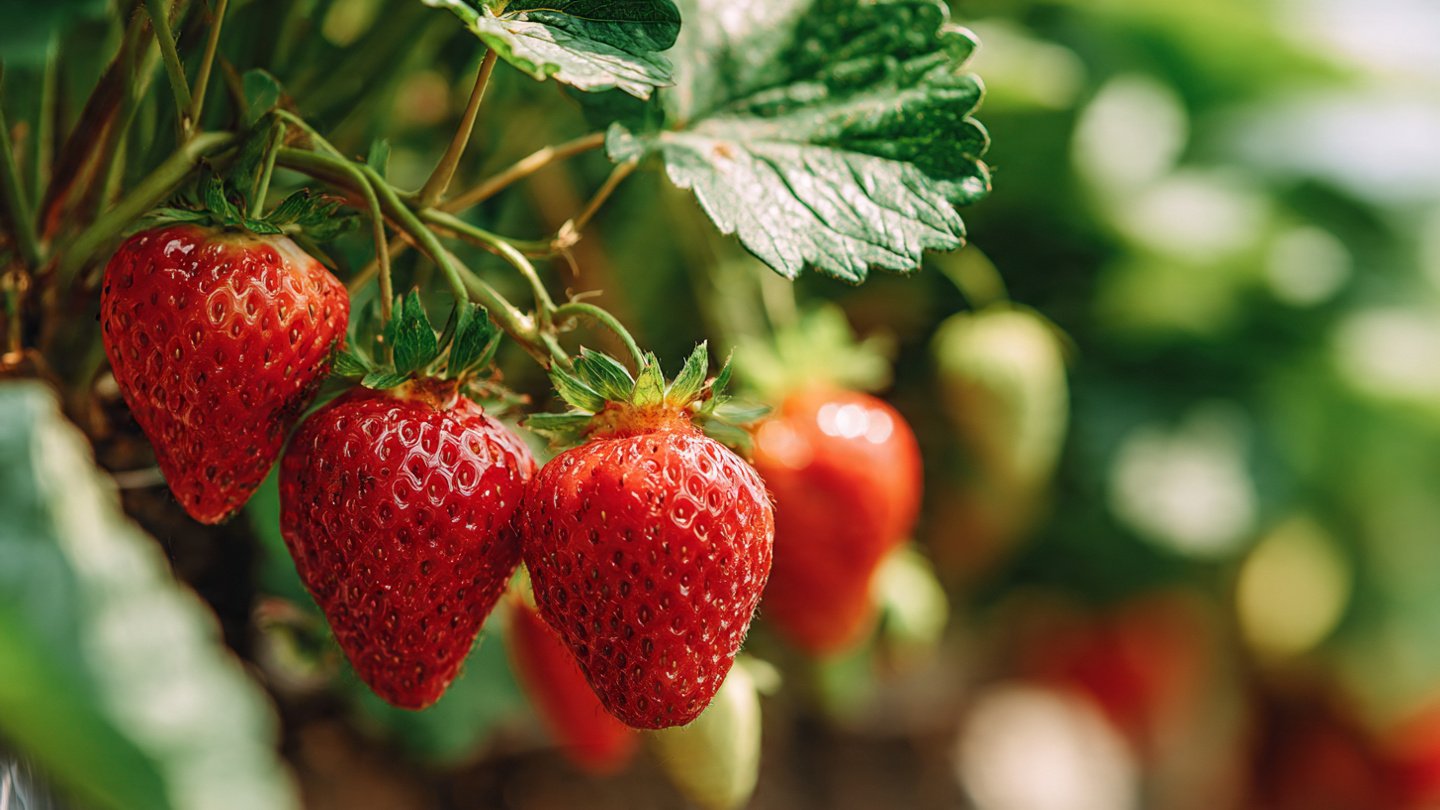
Strawberries are a favorite among home gardeners for their sweet, juicy flavor and vibrant color. Growing them successfully, however, requires more than just planting a few seedlings and hoping for the best. With proper care, attention to soil, watering, sunlight, and pest management, you can enjoy healthier plants, larger berries, and higher yields year after year.
This comprehensive guide provides essential tips for strawberry enthusiasts to grow robust plants that produce sweeter and more abundant fruit. Whether you have a backyard garden, raised beds, or balcony containers, these strategies are beginner-friendly and practical.
Why Focus on Healthier and More Productive Strawberry Plants?
Healthy strawberry plants are the foundation of a bountiful harvest. When plants are well-nourished and cared for:
- Fruit quality improves: Berries become sweeter, juicier, and more flavorful.
- Plants live longer: Well-maintained plants produce fruit for multiple seasons.
- Disease resistance increases: Strong plants are less vulnerable to pests and pathogens.
- Yield maximizes: Proper care ensures more flowers, more berries, and larger fruits.
By focusing on plant health, gardeners set themselves up for a productive and enjoyable strawberry season.
Choosing the Right Strawberry Varieties
The first step to success is selecting varieties that suit your growing conditions:
- June-bearing: Produce a large crop once a year, usually in late spring or early summer.
- Ever-bearing: Produce two or three harvests in a growing season.
- Day-neutral: Continuously fruit throughout the season, independent of day length.
For small spaces or container gardens, day-neutral and ever-bearing varieties are often preferred due to their extended production and manageable size. Popular choices include “Seascape,” “Albion,” and “Tristar.”
Selecting Healthy Plants
Whether you are planting seedlings or propagating from runners, choosing healthy plants is critical:
- Look for vibrant green leaves and firm roots.
- Avoid plants with yellowed, wilted, or spotted leaves.
- Check for signs of pests or diseases.
Healthy plants establish quickly, grow vigorously, and are more productive throughout the season.
Preparing the Soil
Strawberries thrive in well-draining, fertile soil with a slightly acidic pH of 5.5–6.5. Proper soil preparation ensures healthy roots and strong growth:
- Loosen soil: Remove debris, rocks, and weeds.
- Add organic matter: Mix in compost or well-rotted manure for fertility.
- Improve drainage: Add sand or perlite to prevent waterlogging.
- Adjust pH if necessary: Use lime to raise pH or sulfur to lower it.
Healthy soil is the backbone of strong strawberry plants and abundant fruit.
Planting Techniques
Strawberries can be grown in garden beds, raised beds, containers, or hanging baskets.
Steps for planting:
- Space plants 30–40 cm apart to allow airflow and runner development.
- Plant crowns just above soil level to prevent rot.
- Water gently after planting to settle the soil.
- Mulch around the plants with straw or wood chips to retain moisture and prevent weeds.
Correct planting techniques help roots establish quickly and reduce stress on new plants.
Watering Tips
Consistent moisture is essential for strawberries, especially during flowering and fruiting:
- Water deeply 2–3 times per week, adjusting for weather and soil type.
- Avoid overhead watering to reduce fungal diseases.
- Mulch helps retain soil moisture and keeps berries clean.
- Container-grown strawberries may need more frequent watering than garden beds.
Proper watering ensures healthy growth, larger berries, and sweeter fruit.
Fertilization for Sweet and Abundant Berries
Strawberries benefit from balanced nutrition throughout their life cycle:
- Before planting: Incorporate compost or organic fertilizer into the soil.
- During growth: Use a nitrogen-rich fertilizer for strong leaf and root development.
- Before flowering: Apply phosphorus and potassium-rich fertilizer to promote flowers and fruit.
- Avoid over-fertilization with nitrogen once fruiting begins, as this encourages foliage at the expense of berries.
Fertilization is key to producing large, sweet, and juicy berries.
Pruning and Managing Runners
Strawberry plants produce runners, which are horizontal stems that can create new plants:
- Remove excess runners if your goal is larger berries, as runners divert energy from fruit production.
- Allow some runners if you want to propagate new plants.
- Trim damaged or yellow leaves to maintain plant health.
Pruning and runner management optimize energy allocation, improving both fruit quality and yield.
Sunlight and Temperature
Strawberries require adequate sunlight to produce the best fruit:
- Provide at least 6–8 hours of direct sunlight daily.
- In hot climates, provide light afternoon shade to prevent leaf burn.
- Ideal temperatures: 18–24°C for growth, with nighttime temperatures above 10°C.
Sunlight exposure affects berry sweetness, plant vigor, and flowering.
Pollination Tips
While strawberries are self-pollinating, improving pollination can increase fruit size and yield:
- Gently shake flowering plants to move pollen.
- Encourage pollinators like bees and butterflies by planting companion flowers nearby.
- For indoor or container-grown plants, use a small brush to transfer pollen between flowers.
Enhanced pollination leads to larger berries and more abundant harvests.
Pest and Disease Management
Common strawberry pests include aphids, slugs, snails, and spider mites. Diseases like powdery mildew, gray mold, and leaf spot can affect plant health.
Prevention strategies:
- Maintain good spacing and airflow between plants.
- Inspect plants regularly and remove damaged leaves.
- Use organic pest control, such as neem oil, diatomaceous earth, or insecticidal soap.
- Rotate crops annually to prevent soil-borne diseases.
Healthy, pest-free plants are more productive and produce sweeter fruit.
Mulching for Berry Quality
Mulching benefits strawberries in multiple ways:
- Conserves soil moisture
- Prevents weeds
- Keeps berries clean by preventing soil contact
- Regulates soil temperature
Straw, pine needles, or shredded leaves work well as mulch. Proper mulching ensures cleaner, juicier, and more flavorful berries.
Harvesting Strawberries
Harvesting at the right time is essential for the best flavor:
- Pick berries when fully red and ripe.
- Gently twist or cut the fruit, leaving the green calyx attached.
- Harvest every 2–3 days during peak season to encourage continuous fruiting.
Proper harvesting maximizes yield and flavor while extending the productive life of the plant.
Propagating for Future Harvests
You can expand your strawberry patch using runners or leaf propagation:
- Runners: Allow them to root in soil, then cut from the parent plant once established.
- Leaf propagation: Some varieties can grow from leaves or crown divisions.
Propagation ensures a continuous supply of healthy plants and an expanding harvest over time.
Seasonal Care Tips
- Spring: Plant new strawberries, apply fertilizer, and mulch.
- Summer: Maintain watering, remove diseased leaves, and harvest fruit.
- Fall: Apply compost, remove old mulch, and protect crowns from frost.
- Winter: In colder climates, cover plants or move containers indoors.
Seasonal management keeps plants healthy and productive for multiple years.
Final Thoughts
Healthy, well-cared-for strawberry plants produce sweeter, larger, and more abundant fruit. By selecting the right varieties, preparing fertile soil, providing consistent water and nutrients, managing sunlight, controlling pests, and practicing proper pruning and harvesting techniques, gardeners can enjoy a continuous supply of fresh, flavorful strawberries.
Whether you are growing strawberries in garden beds, raised beds, or containers, following these essential tips ensures your plants thrive and your harvest is maximized. Homegrown strawberries are not only delicious but also rewarding, giving you a direct connection to the food you eat and the joy of nurturing living plants.
With patience, attention, and consistent care, your strawberry patch can flourish year after year, delivering a harvest of sweet, juicy, and vibrant berries right at your doorstep.