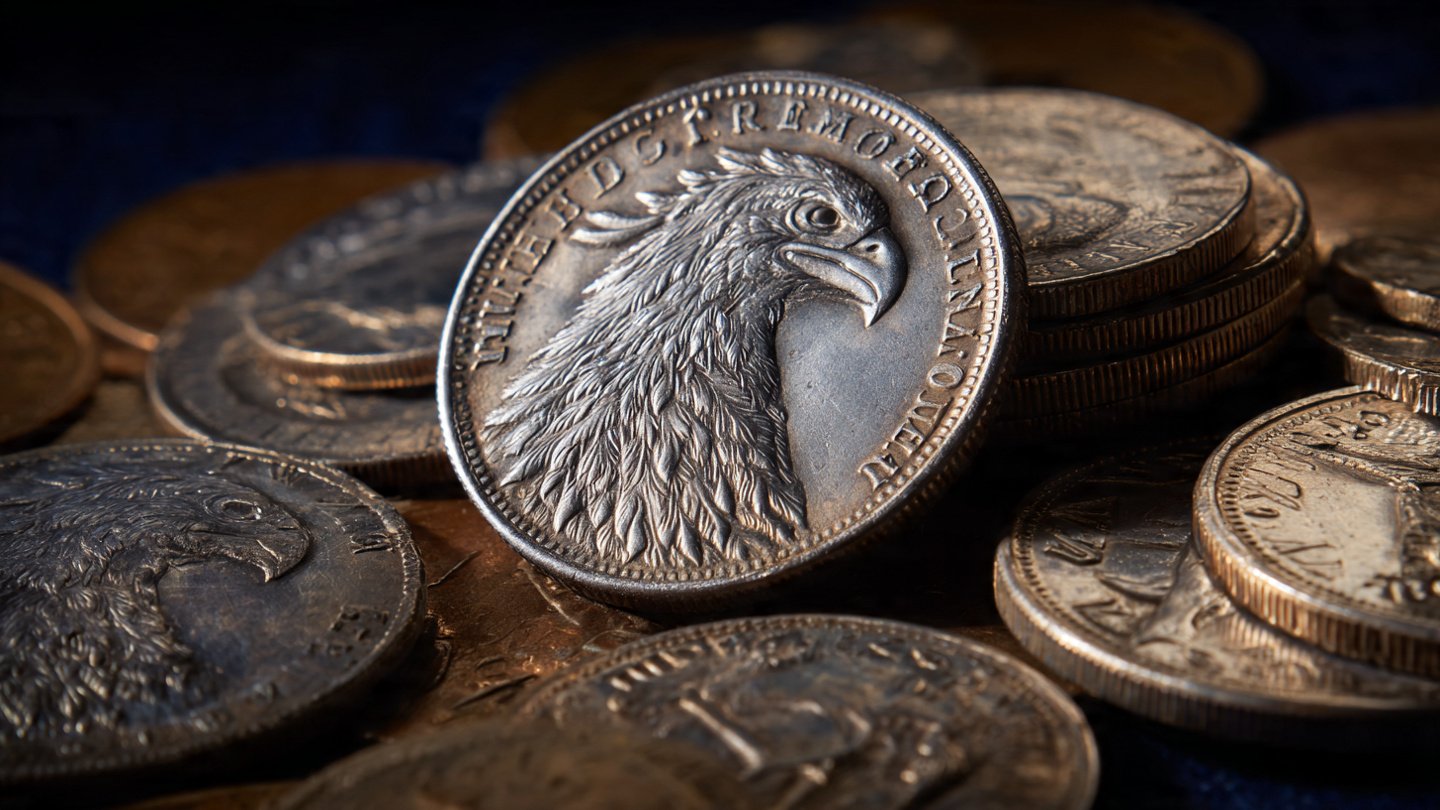
For coin collectors, numismatics is more than a hobby—it’s a blend of history, artistry, and investment. Among collectible coins, nickels occupy a unique place. While often overlooked in favor of gold or silver coins, certain nickel issues have become extraordinarily rare and valuable, fetching millions at auctions and private sales. As we step into 2026, collectors and investors alike are keeping a close eye on these remarkable coins.
This guide explores nine rare nickel coins that have made history and continue to command high prices today. Whether you’re a seasoned collector or a newcomer, understanding the provenance, rarity, and value of these coins is essential.
1. 1913 Liberty Head Nickel
The 1913 Liberty Head nickel is arguably the most famous nickel in U.S. coin collecting. Only five specimens are known to exist, making it one of the rarest coins in history. Despite being officially minted as Jefferson nickels in 1913, these Liberty Head coins appeared mysteriously, likely struck without authorization.
Collectors prize these nickels not only for their rarity but for their rich history and provenance. The coins have been featured in prominent exhibitions and are regularly sold in private auctions for multi-million-dollar prices, making them a pinnacle piece for any serious collection.
2. 1913 Buffalo Nickel (Pattern Coins)
Before the classic Buffalo nickel design fully debuted in 1913, several pattern coins were struck as prototypes. These pattern issues are exceedingly rare, with fewer than a handful known to survive.
Featuring unique design elements not found in mass-produced coins, these nickels offer both historical and aesthetic appeal. Their scarcity, coupled with collector demand, pushes values into the high six-figure to million-dollar range depending on condition and provenance.
3. 1885 Shield Nickel (No Rays)
The 1885 Shield nickel is another iconic rarity. Most 1885 nickels were poorly preserved, and only a few survive in mint condition. The “No Rays” variety—missing the rays around the coin’s reverse—is particularly sought after.
Collectors prize these for their historical significance as part of the Shield nickel series, the first nickel design produced by the U.S. Mint. High-grade examples are exceedingly rare, often reaching seven-figure valuations at auction.
4. 1916/16 Buffalo Nickel (Overdate)
Overdates, where one year’s date is struck over another, are highly collectible due to their rarity. The 1916/16 Buffalo nickel is a prime example. Only a few are known, and their unique minting error makes them extremely valuable to collectors of classic U.S. coins.
This coin is also popular because it demonstrates the evolution of coin minting techniques in the early 20th century, making it both an investment and a historical artifact.
5. 1942/1 Jefferson Nickel (Overdate, War Nickel Series)
During World War II, nickel was a critical material for the war effort. The 1942/1 Jefferson nickel is a rare overdate coin from the wartime series, with fewer than a handful known in collectible condition.
War nickels, distinguished by their high silver content (35% silver), are already sought after. This overdate variety adds a layer of rarity that appeals to both Jefferson nickel enthusiasts and broader numismatic investors.
6. 1886 Shield Nickel (Proof)
Proof coins are specially struck with polished dies to produce a sharp, mirror-like finish. The 1886 Shield nickel proof is extremely rare, with very few surviving examples. Collectors prize these coins not only for their rarity but also for their exceptional quality and clarity, which are superior to standard circulation strikes.
Auction results for 1886 proof Shield nickels consistently exceed seven figures, depending on condition and provenance, making them one of the top targets for advanced collectors.
7. 1913 Buffalo Nickel (Type 1, 3-Legged Variety)
The 3-legged Buffalo nickel, one of the most famous U.S. minting errors, occurred due to over-polishing of the die used to strike the coin. The result was a buffalo with only three legs visible, a rarity that has fascinated collectors since its discovery.
High-quality specimens are exceedingly scarce, and the coin has become iconic in the world of error coins. Collectors are often willing to pay millions for well-preserved examples, especially those with verified provenance.
8. 1894-S Barber Nickel
The 1894-S Barber nickel is one of the rarest 19th-century nickels, with only 24 known examples—and even fewer in high grade. Produced in San Francisco, this coin is highly coveted due to its low mintage and exceptional condition among surviving specimens.
It’s also considered a “key date” in the Barber nickel series, making it essential for serious collectors who aim to complete a full series. Auction prices consistently reach seven figures, reflecting both rarity and historical significance.
9. 1937-D 3-Legged Buffalo Nickel (Denver Mint)
Another variation of the 3-legged Buffalo nickel, the 1937-D is among the most famous minting errors. Caused by die over-polishing, it eliminated one of the buffalo’s legs in the coin’s design. Only a limited number of specimens exist, and their unusual appearance has made them legendary among numismatists.
Collectors are drawn not only to the coin’s scarcity but also to its story—a fascinating glimpse into early 20th-century minting practices. High-grade examples of the 1937-D 3-legged nickel can fetch seven-figure prices, underscoring the enduring appeal of rare nickel coins.
Why These Coins Are Valuable in 2026
Several factors drive the high value of these rare nickels:
- Scarcity: Most of these coins were minted in extremely limited numbers, or survival rates in good condition are very low.
- Historical Significance: Coins like the 1913 Liberty Head nickel or the 1894-S Barber nickel carry rich stories that enhance their collectible appeal.
- Unique Minting Errors: Overdates and errors, such as the 3-legged Buffalo nickels, are rare curiosities highly sought by collectors.
- Condition and Grading: High-grade coins, certified by professional grading services like PCGS or NGC, command premium prices.
- Market Demand: The numismatic market continues to grow, with collectors, investors, and institutions seeking iconic coins to complete collections.
Tips for Collectors in 2026
- Buy Certified Coins: Always choose professionally graded and certified coins to ensure authenticity.
- Research Provenance: Coins with documented ownership histories often fetch higher prices.
- Focus on Key Dates: Rare nickels with low mintage or unique features, like overdates and mint errors, are excellent investment targets.
- Monitor Auctions: Major auction houses like Heritage Auctions and Stack’s Bowers regularly feature rare nickels, providing insights into market trends and valuations.
- Preserve Properly: Store coins in controlled environments using protective holders to maintain grade and value.
Final Thoughts
Rare nickel coins, from the legendary 1913 Liberty Head to the famous 3-legged Buffalo nickels, represent the pinnacle of numismatic collecting. Each coin carries a story of history, design, and rarity that transcends its monetary value. In 2026, these nickels continue to capture the imagination of collectors and investors alike, with individual coins valued in the millions.
For collectors seeking a combination of history, rarity, and investment potential, these nine nickel coins are must-have pieces. Whether you are pursuing a complete series or hunting for a single iconic coin, understanding these treasures is essential for navigating the high-stakes world of rare coin collecting.
Owning one of these nickels is not just about possession—it’s about preserving a tangible piece of history, and potentially securing a highly valuable asset for the future.