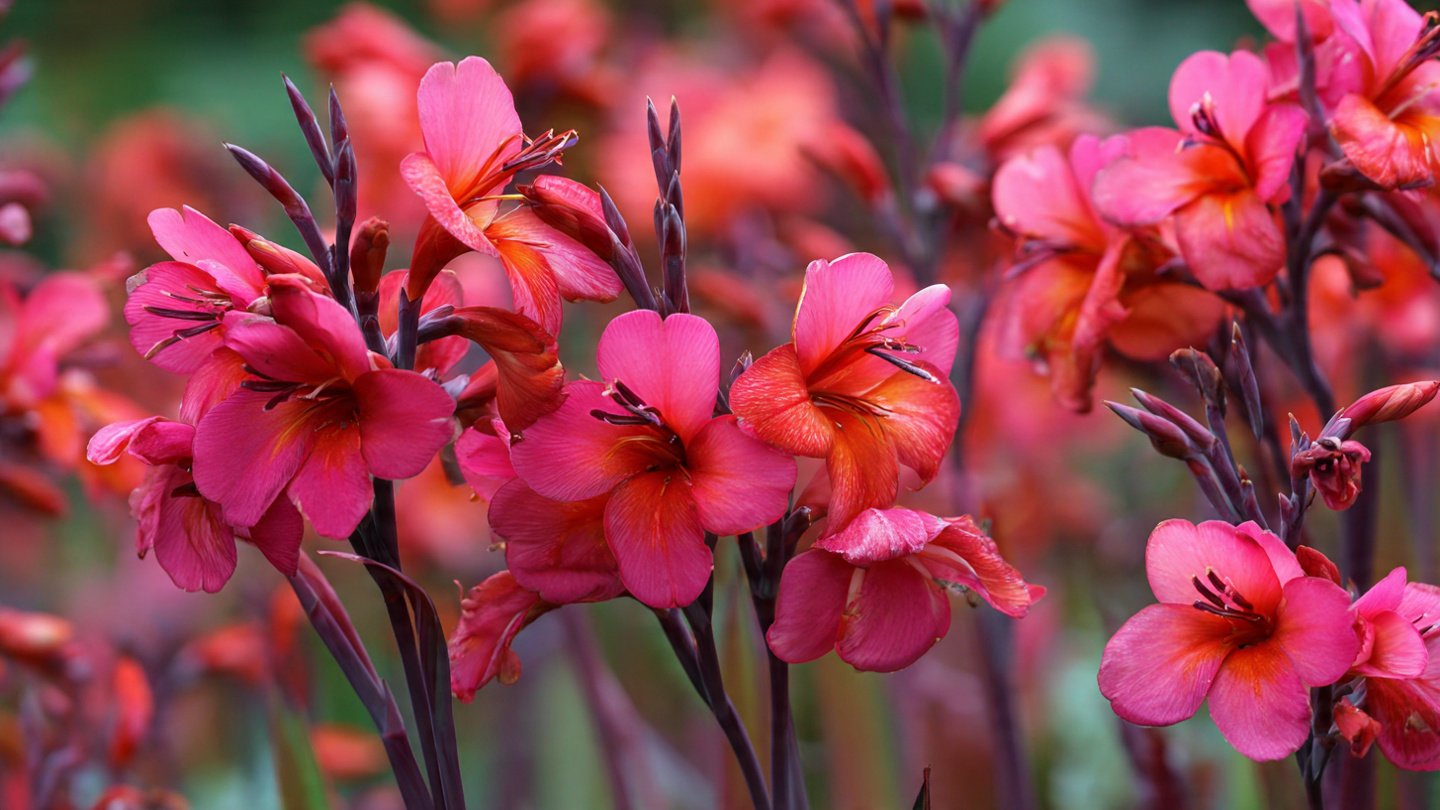
Every year, Pantone announces a Color of the Year, inspiring fashion, home decor, and even garden design. Incorporating this color into your garden is a fun and creative way to stay on trend while enjoying the natural beauty of flowers. Whether your Pantone pick is a soft blush, a vibrant coral, or a deep jewel tone, planting flowers that reflect this hue can transform your garden into a lively, harmonious, and visually striking space.
Here are 9 dreamy flowers that will help you embrace Pantone’s Color of the Year and add a touch of sophistication to your outdoor oasis.
1. Peonies (Paeonia)
Peonies are the epitome of romantic, lush blooms. With large, ruffled petals available in shades ranging from soft pinks to vibrant coral, peonies perfectly match many Pantone picks. Plant them in sunny spots with well-draining soil for blooms that can last several weeks in late spring to early summer. Their soft fragrance adds an extra sensory layer, making them a must-have for any color-themed garden.
2. Tulips (Tulipa)
Tulips are versatile, classic, and come in virtually every color imaginable. For Pantone’s Color of the Year, choose tulip varieties that reflect the hue—whether it’s a soft lavender, coral, or blush pink. Tulips are perfect for springtime gardens and look striking when planted en masse for a bold color statement. They also pair beautifully with other perennials, making them ideal for layered planting designs.
3. Dahlias
Dahlias are garden showstoppers with intricate petal patterns and bold colors. They thrive in sunny, well-drained locations and bloom from mid-summer into fall. Choose dahlias in shades that echo Pantone’s selection to create a dramatic focal point. Their long-lasting blooms make them perfect for cut flower arrangements, extending the Pantone-inspired vibe indoors.
4. Ranunculus
Ranunculus flowers boast tightly layered petals and a delicate, almost ethereal appearance. Available in soft pastel pinks, peach, or coral, they are excellent for adding a subtle nod to Pantone’s Color of the Year. Ranunculus thrives in cooler climates and early spring, making them ideal companions for tulips or early-blooming bulbs. Their refined shape adds elegance to flower beds, borders, or container gardens.
5. Hydrangeas (Hydrangea macrophylla)
Hydrangeas are garden staples for adding volume and visual appeal. With their large, rounded flower clusters, they offer a bold color presence. Many hydrangea cultivars display shades that align beautifully with Pantone’s palette—soft pinks, coral, or even lilac tones. For color consistency, note that soil pH can influence hydrangea bloom color, giving you some flexibility to adjust shades in your garden naturally.
6. Begonias
Begonias are versatile annuals or perennials, perfect for adding pops of Pantone-inspired color. They do well in partial shade and thrive in containers or flower beds. Wax begonias, in particular, offer bright coral, pink, and blush tones that complement garden pathways or patios. Their long bloom period and easy maintenance make them ideal for gardeners seeking a consistent seasonal splash of color.
7. Zinnias
Zinnias are easy-to-grow, cheerful flowers that thrive in full sun. They are perfect for creating vibrant, eye-catching displays and work well in informal or cottage-style gardens. Many zinnia varieties come in shades ranging from soft pinks to fiery corals and oranges, making them a practical and fun choice to incorporate Pantone’s Color of the Year. Their flowers also attract pollinators, enhancing garden health and biodiversity.
8. Camellias
Camellias are elegant evergreen shrubs that offer exquisite blooms in early spring. Their classic rose-like flowers appear in shades of blush pink, coral, and red—colors that often match Pantone selections. Camellias prefer partial shade and slightly acidic, well-draining soil. Their glossy leaves provide year-round interest, while the blooms introduce your chosen Pantone hue at the perfect time to herald spring.
9. Petunias
Petunias are versatile, fast-growing annuals that thrive in sunny gardens or containers. Available in soft pinks, corals, and lavender hues, they are perfect for filling gaps in flower beds or cascading over containers and hanging baskets. Petunias bloom prolifically throughout the summer, providing ongoing color to echo Pantone’s theme. Their ease of care and adaptability make them a favorite among novice and experienced gardeners alike.
Tips for Incorporating Pantone Colors Into Your Garden
- Layer Heights and Textures: Mix tall, medium, and low-growing flowers to create depth while maintaining focus on your chosen color.
- Mix Complementary Colors: Pair Pantone’s Color of the Year with complementary shades to enhance vibrancy without overwhelming the space.
- Containers and Borders: Use pots, planters, and edging plants to emphasize your color theme in strategic areas of your garden.
- Repeat for Continuity: Repeating your Pantone hue throughout different sections of the garden creates harmony and visual flow.
- Seasonal Succession: Choose plants with staggered bloom times so your Pantone-inspired color is present across multiple seasons.
Why Color-Themed Gardens Work
Gardens centered around a color palette, especially Pantone’s Color of the Year, offer multiple benefits:
- Visual Cohesion: A unified color scheme creates a garden that feels intentional and harmonious.
- Mood Enhancement: Colors influence emotions; warm tones like coral or blush can energize and uplift, while soft pastels create calm and serenity.
- Easy Design Decisions: Focusing on one color simplifies plant selection and arrangement, reducing decision fatigue while ensuring aesthetic impact.
Pantone-inspired gardens are not only trendy but also functional, as color repetition can guide the eye, create focal points, and highlight features such as pathways, sculptures, or seating areas.
Conclusion
Incorporating Pantone’s Color of the Year into your garden is an exciting way to combine design trends with nature’s beauty. From lush peonies and tulips to elegant camellias and vibrant zinnias, these nine dreamy flowers offer endless possibilities for creating a garden that feels fresh, cohesive, and visually stunning. By carefully planning flower placement, layering textures, and choosing complementary tones, you can ensure your garden blooms with the energy and sophistication of Pantone’s latest color trend.
Whether you prefer soft romantic hues or bold, vibrant shades, selecting the right flowers and planning their layout will turn your garden into a seasonal masterpiece, inspiring admiration from neighbors and joy from yourself for months to come.