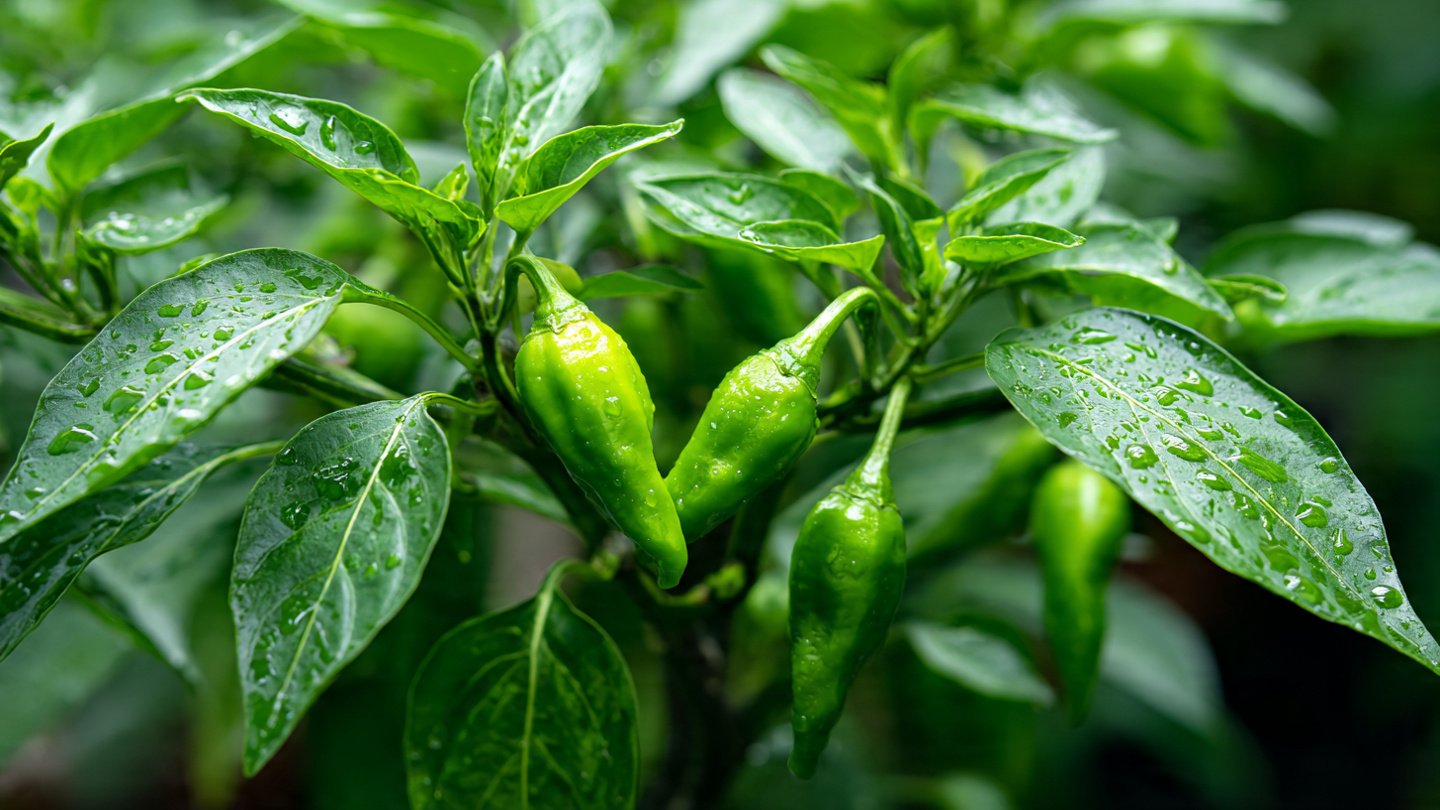
Growing your own peppers can be a rewarding and flavorful addition to any garden, balcony, or indoor space. Whether you’re dreaming of fiery chili peppers, sweet bell peppers, or exotic varieties, starting from seed gives you the greatest variety and control over your harvest. However, successful pepper cultivation requires preparation and understanding. From choosing the right seeds to providing proper care, there are critical factors that influence the success of your first pepper-growing journey.
Here are seven essential things you must know before planting your first pepper seed.
1. Choose the Right Pepper Variety
The first step in growing peppers is selecting a variety that suits your climate, space, and taste preferences. Peppers vary widely in:
- Heat Level: Sweet bell peppers vs. hot chili peppers.
- Growth Habit: Some peppers grow compactly (ideal for containers), while others spread out.
- Maturity Time: Early-maturing varieties are better for shorter growing seasons.
For beginners, starting with mild or medium heat peppers like bell peppers, jalapeños, or cayenne is often easier because they are less sensitive to environmental stress. Research your local growing conditions and select seeds suited for your region.
2. Start Seeds Indoors
Peppers are warm-season plants, and their seeds require warm, stable conditions to germinate. Starting seeds indoors gives them a head start, especially in cooler climates. Key tips include:
- Containers: Use seed trays, small pots, or even recycled containers with drainage holes.
- Soil: Use a lightweight, well-draining seed-starting mix instead of garden soil.
- Temperature: Pepper seeds germinate best in 70–85°F (21–29°C).
- Light: Provide bright light for at least 12–16 hours daily; grow lights are highly effective.
Germination usually takes 7–21 days, depending on the variety. Consistency in warmth and moisture is crucial.
3. Prepare for Transplanting
Once seedlings develop 2–3 sets of true leaves and are sturdy enough to handle, it’s time to transplant them. Before moving them outdoors, consider:
- Hardening Off: Gradually expose seedlings to outdoor conditions over 7–10 days. This helps them adapt to sunlight, wind, and fluctuating temperatures.
- Spacing: Depending on the pepper variety, allow 12–24 inches between plants for proper airflow and growth.
- Soil Preparation: Choose well-draining, nutrient-rich soil with pH 6.0–6.8. Adding compost can boost fertility.
Proper preparation ensures a smooth transition and reduces transplant shock.
4. Understand Pepper Plant Needs
Peppers require a combination of factors to thrive:
- Sunlight: At least 6–8 hours of direct sunlight daily. Insufficient light leads to leggy plants and fewer fruits.
- Water: Keep soil evenly moist but not waterlogged. Deep, infrequent watering encourages strong roots.
- Temperature: Ideal daytime temperatures are 70–85°F, with night temperatures 60–70°F. Temperatures below 55°F can slow growth or cause flower drop.
Meeting these needs is essential to prevent stress and encourage vigorous growth.
5. Fertilization Matters
Peppers are heavy feeders, and proper nutrition ensures healthy foliage, flowers, and fruit. Tips include:
- Balanced Fertilizer: Use a fertilizer high in phosphorus for root development initially, then switch to one higher in potassium for fruit production.
- Frequency: Fertilize every 2–3 weeks during active growth.
- Avoid Overfertilizing: Too much nitrogen can produce lush leaves but few flowers and fruits.
Fertilizer type and timing can significantly affect the yield and quality of your harvest.
6. Support and Pruning
Some pepper varieties benefit from structural support:
- Staking: Tall varieties like cayenne may need stakes or cages to prevent branches from breaking under the weight of fruit.
- Pruning: Pinch off early flowers to encourage stronger root and leaf development in young plants. Light pruning later helps improve airflow and reduces disease risk.
Providing physical support ensures your pepper plants grow upright, healthy, and productive.
7. Pest and Disease Awareness
Pepper plants are susceptible to pests and diseases, so early preventive measures are key:
- Common Pests: Aphids, spider mites, thrips, and caterpillars. Regular inspection helps catch infestations early.
- Disease Prevention: Rotate crops annually, ensure proper spacing, avoid overhead watering, and maintain clean tools.
- Natural Solutions: Introduce beneficial insects, neem oil, or insecticidal soaps as organic control methods.
Being proactive keeps your pepper plants healthy and reduces potential losses.
Bonus Tip: Patience and Observation
Peppers take time to grow from seed to harvest. Depending on the variety, you may wait 60–90 days or more for fruit. Observing your plants daily helps you notice early signs of stress, nutrient deficiencies, or pest activity. Healthy pepper plants respond well to consistent care, and patience is a vital ingredient for success.
Conclusion
Planting your first pepper seed is both exciting and educational. By understanding these seven essentials — from selecting the right variety to providing support, fertilization, and pest control — you set the stage for a thriving, productive pepper garden.
Starting with care, patience, and knowledge ensures your pepper plants grow strong, produce flavorful fruits, and give you a rewarding gardening experience. With these tips, even beginner gardeners can confidently embark on their first pepper-growing journey and enjoy the satisfaction of homegrown harvests.