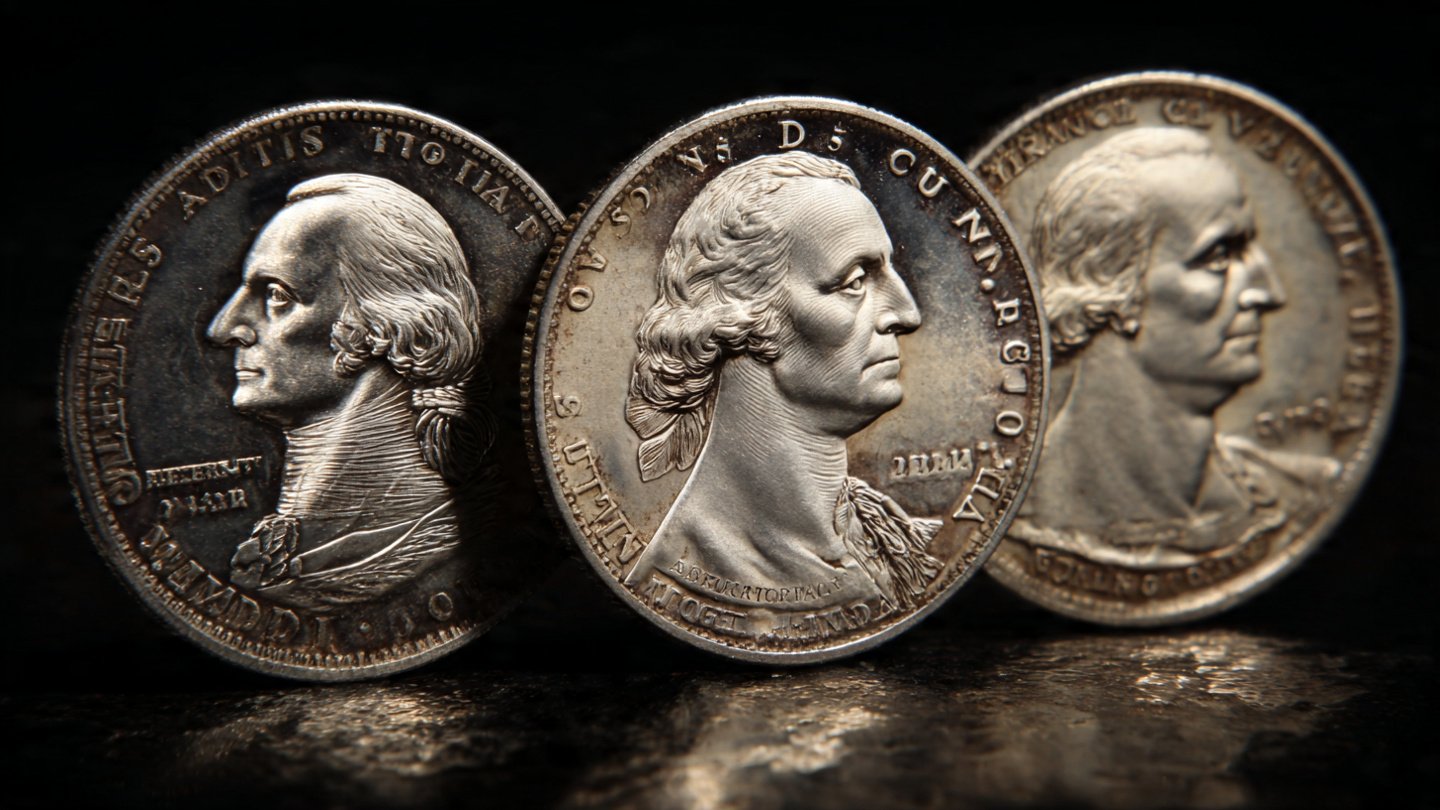
The 1976 Bicentennial quarter is more than just a 25-cent coin; it is a symbol of American history and a favorite among coin collectors. Released to commemorate the United States’ 200th anniversary, the quarter featured a unique dual date, “1776–1976,” and an iconic reverse design showcasing a colonial drummer. While millions of these coins were minted for general circulation, a subset of Bicentennial quarters has captivated collectors for decades due to rare errors, hidden varieties, and unique minting anomalies.
For numismatists and hobbyists alike, understanding the value of these coins requires knowing which versions exist, what makes them rare, and how condition and provenance affect pricing. This guide explores the key factors that determine the value of 1976 Bicentennial quarters, including rare errors and collector-favorite varieties.
Historical Significance of the 1976 Bicentennial Quarter
The United States Mint issued the 1976 Bicentennial quarter as part of a broader program to celebrate the nation’s 200th birthday. Alongside the half dollar and dollar, the quarter was reimagined with a reverse design by Jack L. Ahr, depicting a colonial drummer and a victory torch encircled by 13 stars representing the original colonies. The obverse retained the familiar portrait of George Washington, updated to reflect the dual dates of the Bicentennial celebration.
Millions of these coins were minted across the Philadelphia, Denver, and San Francisco mints, in both standard circulation and special collector’s proof and uncirculated sets. While the vast majority of coins were released for general use, careful collectors quickly noted subtle variations and production errors that would eventually become highly sought after.
Identifying Key Varieties of the 1976 Quarter
Collectors often seek specific varieties of the 1976 Bicentennial quarter due to minor differences in design, die alignment, and production techniques. Some of the most notable include:
- Doubled Die Obverse: In some coins, the letters, numbers, or date appear slightly doubled due to a misalignment during the minting process. This variety can significantly increase a coin’s value.
- Double Die Reverse: Less common than obverse doubling, these coins show doubling in the reverse design, particularly in the drummer or torch.
- Mint Mark Variations: The Bicentennial quarter was produced at the Philadelphia (no mint mark), Denver (“D”), and San Francisco (“S”) mints. Coins with unusual mint mark placement or variations can attract collector interest.
- Proof and Uncirculated Sets: Specially struck coins for collectors, especially those with mirror-like finishes, are more valuable than typical circulation coins.
- Planchet Errors: Some quarters were struck on flawed or incorrect planchets, resulting in off-center designs, clipped edges, or other anomalies.
Understanding these variations helps collectors identify coins that may be worth more than face value.
Rare Errors Collectors Seek
Errors occur when a coin is struck improperly or when a flaw in the die or planchet produces a noticeable anomaly. For the 1976 Bicentennial quarter, some of the most prized errors include:
- Off-Center Strikes: These coins feature the design shifted away from the center of the coin, sometimes leaving part of the rim blank.
- Die Cracks: Small cracks in the coin die can create raised lines on the surface of the quarter.
- Broadstrikes: Coins struck without a collar expand outward, producing a slightly larger diameter than normal.
- Clipped Planchets: Partial coins produced due to an incomplete blanking process.
Coins with these errors are rare and can fetch premium prices in the collector market, depending on severity and condition.
Grading and Condition
The value of a 1976 Bicentennial quarter is heavily influenced by its condition. Coins are typically graded on a scale ranging from Poor (P-1) to Mint State (MS-70). Key factors include luster, strike quality, and presence of wear or scratches.
- Circulated Coins: Coins that have been used in everyday transactions generally hold lower value unless they feature a rare error or unique variety.
- Uncirculated Coins: Coins that have never been used, often found in mint sets, are highly sought after.
- Proof Coins: Struck with specially polished dies, proof coins have mirror-like surfaces and sharp details. These are among the most valuable Bicentennial quarters, especially with rare errors.
A well-preserved error or rare variety in high grade can command prices several times higher than standard circulation coins.
Market Value Overview
The market for 1976 Bicentennial quarters varies widely based on rarity, condition, and collector demand. While standard circulation coins are worth their face value of 25 cents, coins with rare errors or unusual varieties can range from a few dollars to several hundred dollars.
- Standard Circulation Coin: ₹25–₹50 for typical coins in average condition.
- Mint State Coins: ₹500–₹2,500 depending on grade and mint mark.
- Proof Coins: ₹1,000–₹5,000 for pristine examples, with some exceptional errors reaching higher.
- Error Coins: Rare off-center, clipped, or doubled-die quarters may sell for ₹5,000–₹15,000 or more.
Prices fluctuate based on collector interest and auction results, so keeping track of recent sales is essential for accurate valuation.
Tips for Collectors
- Examine Coins Carefully: Use magnification to spot doubling, die cracks, or unusual mint marks.
- Verify Authenticity: Some errors can be artificially created. Buying from reputable dealers ensures authenticity.
- Understand Grading: Familiarize yourself with coin grading standards or seek professional grading to maximize value.
- Preserve Coins Properly: Store in acid-free holders or coin capsules to prevent tarnishing and physical damage.
- Stay Updated on Market Trends: Collector interest can drive value up or down, so monitor auction results and price guides.
By following these practices, collectors can build a valuable and historically significant collection of 1976 Bicentennial quarters.
Historical and Emotional Appeal
Beyond monetary value, the 1976 Bicentennial quarter carries sentimental and historical significance. It commemorates a pivotal moment in American history—the nation’s 200th birthday. Owning such a coin connects collectors to the spirit of 1976, evoking pride in national heritage and a tangible link to the past.
For many, collecting these coins is not just about investment—it’s a hobby that combines history, art, and the thrill of discovering rare varieties. The Bicentennial quarter represents a piece of history that can be appreciated by current and future generations.
Conclusion
The 1976 Bicentennial quarter remains one of the most fascinating and collectible coins in American numismatics. From rare errors and doubled dies to unique mint mark variations and proof sets, there is a wide range of coins that can appeal to collectors of all levels.
Whether you are a beginner looking to start a collection or a seasoned numismatist searching for rare varieties, understanding the different types, grading standards, and market values is essential. These coins offer not only potential financial rewards but also a chance to own a piece of history—a tangible reminder of America’s 200-year journey.
With careful examination, proper storage, and attention to detail, collectors can unlock the full potential of the 1976 Bicentennial quarter, turning a small piece of copper-nickel into a valuable and historically significant treasure.