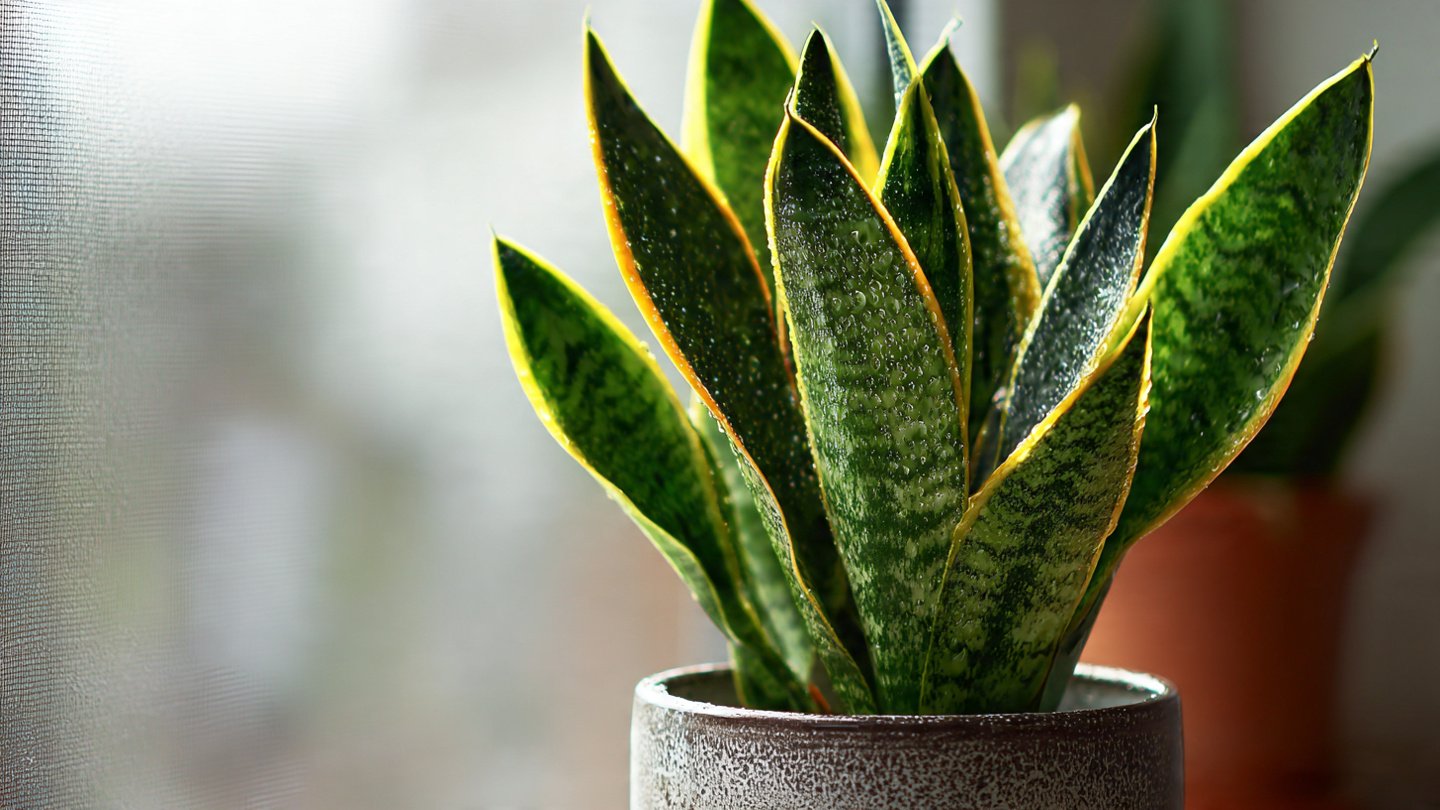
Snake plants (Sansevieria trifasciata), also known as mother-in-law’s tongue, are among the most resilient and attractive indoor plants. With their upright, sword-shaped leaves and striking variegation, they are a favorite for both beginners and experienced plant enthusiasts. Although they are hardy and low-maintenance, providing the right fertilizer can significantly enhance growth, leaf color, and overall health.
In this article, we explore the 16 best fertilizers for snake plants, why fertilization is important, and tips for using them effectively to achieve strong, vibrant foliage.
Why Fertilization Matters for Snake Plants
While snake plants are tough and can survive neglect, regular fertilization helps them:
- Develop Strong, Upright Leaves: Nutrients support healthy leaf growth and structural stability.
- Enhance Leaf Color and Patterning: Proper feeding can intensify the green and yellow variegation.
- Improve Root Health: Fertilizer encourages a robust root system that can sustain long-term growth.
- Boost Recovery: Plants recovering from stress, repotting, or dormancy benefit from nutrient support.
Snake plants are slow growers, so fertilizer is most beneficial during the active growing season — typically spring and summer — and should be reduced or stopped in fall and winter.
Fertilizer Types for Snake Plants
Snake plants respond well to balanced fertilizers that provide nitrogen (N), phosphorus (P), and potassium (K) in appropriate proportions. Common fertilizer types include:
- Liquid Fertilizers: Quickly absorbed and ideal for indoor plants.
- Granular Fertilizers: Slow-release, providing nutrients over several months.
- Organic Fertilizers: Derived from natural sources like compost, seaweed, or fish emulsion; gentle and eco-friendly.
- Specialized Houseplant Fertilizers: Formulated to meet the specific needs of indoor plants, including low-light conditions.
16 Best Fertilizers to Supercharge Your Snake Plant’s Growth
Here’s a curated list of fertilizers proven to work well with snake plants:
1. Balanced Liquid Fertilizer (20-20-20)
A classic choice providing equal NPK, promoting uniform leaf growth and overall plant health. Ideal for monthly feeding during the growing season.
2. Houseplant All-Purpose Fertilizer
Convenient and formulated for indoor plants, supporting both foliage development and root strength.
3. Orchid Fertilizer (10-30-20)
Surprisingly effective for snake plants, as the high phosphorus content encourages root growth and leaf vitality.
4. Fish Emulsion
Organic and nutrient-rich, fish emulsion promotes steady growth without risk of overfertilization. Perfect for new or recovering plants.
5. Seaweed Extract
Packed with trace elements and growth hormones, seaweed extract enhances leaf color and stress tolerance.
6. Slow-Release Granules
Provide consistent feeding over 2–3 months, minimizing the risk of root burn while promoting steady, long-term growth.
7. Liquid Nitrogen Fertilizer
Supports leaf expansion and thickness, making the upright leaves more robust. Use sparingly, as excess nitrogen can cause weak growth.
8. Compost Tea
A gentle organic option, providing micronutrients and beneficial microorganisms for soil health.
9. Worm Castings
Rich in nutrients and humus, worm castings improve soil structure and supply slow-release nutrients.
10. Specialty Succulent Fertilizer
Formulated for low-water plants, it encourages compact, strong growth without promoting excess soft tissue.
11. Epsom Salt Solution
Supplies magnesium for enhanced leaf color and overall plant vigor. Dilute before application.
12. Liquid Potassium Fertilizer
Boosts stress tolerance and leaf rigidity, helping snake plants withstand dry indoor conditions.
13. Organic Granular Fertilizer
Made from natural ingredients like bone meal and kelp, supports slow, steady growth and soil enrichment.
14. Bioactive Houseplant Fertilizer
Contains beneficial microbes to improve nutrient uptake, especially useful in potted soil with limited volume.
15. Foliar Fertilizer Spray
Applied directly to leaves, it supplies nutrients rapidly and can revitalize yellowing or stressed foliage.
16. Custom Indoor Plant Mix (NPK 3-1-2)
A lower nitrogen option suited for slow-growing plants, providing balanced support without overstimulating soft tissue.
Expert Tips for Fertilizing Snake Plants
- Feed During Growth Season Only: Spring through summer is ideal; avoid fertilizing in fall/winter.
- Dilute Liquid Fertilizers: Reduce strength to half the recommended dose for sensitive indoor plants.
- Apply to Moist Soil: Fertilizing dry soil can burn roots. Water the plant first, then apply fertilizer.
- Rotate Fertilizer Types: Combining organic and synthetic fertilizers can ensure balanced nutrition.
- Monitor Plant Response: Yellowing, tip burn, or stunted growth may indicate over- or under-fertilization. Adjust accordingly.
- Avoid Excess Fertilization: Snake plants are slow growers and require modest feeding — too much fertilizer can harm roots and foliage.
Signs Your Snake Plant Needs Fertilizer
- Slow or stunted growth despite proper light and watering
- Pale or dull leaf color
- Smaller leaves than usual
- Reduced flowering in mature plants (rare, but possible in tall varieties)
Recognizing these signs allows gardeners to time fertilization effectively and ensure their plant thrives.
Combining Fertilizer with Proper Care
Fertilizer alone is not enough; it should be part of holistic care:
- Light: Bright, indirect light encourages healthy foliage.
- Water: Allow soil to dry between watering; snake plants dislike soggy soil.
- Repotting: Refresh soil every 2–3 years to prevent nutrient depletion.
- Pruning: Remove damaged or yellow leaves to encourage new growth.
Combining these practices with the right fertilizer ensures maximum growth and long-term health.
Conclusion
Snake plants are naturally resilient, but proper fertilization can transform a basic houseplant into a lush, robust centerpiece. From organic options like worm castings and seaweed extract to carefully balanced synthetic fertilizers, there are many effective choices to boost leaf size, color, and overall health.
By understanding your snake plant’s nutrient needs, feeding seasonally, and avoiding overfertilization, you can enjoy vibrant, upright leaves and slow but steady growth. Regular fertilization, paired with proper light, water, and care, allows your snake plant to thrive indoors — making it not only a decorative element but also a symbol of strength, resilience, and natural beauty.