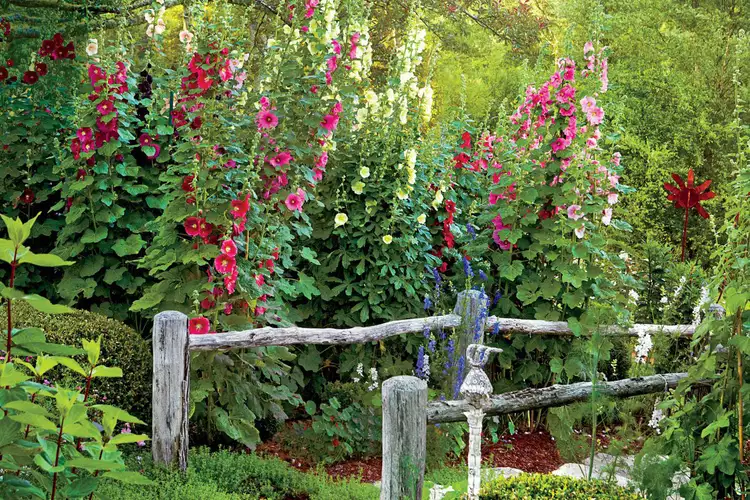
If you love a colorful garden but don’t want to replant flowers every season, self-seeding flowers are the perfect solution. These hardy plants naturally drop seeds at the end of their growing cycle, allowing new plants to sprout the following year without extra effort. Once established, they create a low-maintenance, ever-evolving display that feels both wild and beautifully intentional.
Whether you’re designing a cottage garden, pollinator patch, or simple backyard border, these 15 self-seeding flowers will return year after year — effortlessly.
What Are Self-Seeding Flowers?
Self-seeding flowers complete their life cycle, produce seeds, and disperse them naturally. Instead of dying out completely, their offspring germinate the following season under suitable conditions.
Benefits include:
- Reduced planting work
- Continuous blooms
- Naturalized garden look
- Budget-friendly gardening
- Support for pollinators
Keep in mind that self-seeders can spread freely, so occasional thinning may be necessary.
1. Calendula
Bright orange and yellow blooms make calendula a cheerful garden staple.
Why it’s great:
- Blooms for months
- Tolerates cool weather
- Easy to control
Simply allow a few flowers to dry on the plant, and seeds will scatter naturally.
2. Cosmos
Cosmos produce delicate, daisy-like flowers in pink, white, and purple shades.
Highlights:
- Drought tolerant
- Attracts butterflies
- Thrives in poor soil
They reseed generously if seed heads are left intact.
3. Nigella (Love-in-a-Mist)
With airy foliage and unique seed pods, nigella adds charm and texture.
Benefits:
- Fast-growing
- Unique ornamental seed pods
- Reliable reseeder
It creates a soft, natural look in garden beds.
4. Poppies
Many annual poppy varieties reseed easily.
Why gardeners love them:
- Striking blooms
- Low maintenance
- Adaptable to various soils
Let seed pods dry and scatter for next season’s blooms.
5. Larkspur
Tall, elegant spikes of larkspur add height and drama.
Advantages:
- Ideal for cottage gardens
- Early season blooms
- Self-sows readily
They prefer cooler climates and well-drained soil.
6. Sweet Alyssum
Sweet alyssum forms low-growing clusters of tiny fragrant flowers.
Features:
- Excellent ground cover
- Attracts pollinators
- Thrives in containers
It reseeds gently without becoming invasive.
7. Bachelor’s Button (Cornflower)
These bright blue flowers are easy to grow and reseed generously.
Why choose them:
- Drought tolerant
- Attract bees
- Great for cutting
They bring a classic meadow feel to gardens.
8. Sunflowers (Certain Varieties)
Some smaller or branching sunflowers reseed naturally.
Benefits:
- Bird-friendly
- Fast-growing
- Bold visual impact
Fallen seeds often sprout the following spring.
9. Foxglove
Foxgloves are biennials but self-seed reliably.
Highlights:
- Tall flower spikes
- Excellent for shade areas
- Loved by pollinators
Once established, they appear in different spots each year.
10. Verbena
Certain verbena varieties self-seed lightly.
Advantages:
- Long blooming period
- Heat tolerant
- Good ground coverage
They create a colorful carpet effect.
11. Coreopsis
Coreopsis produces cheerful yellow blooms that return easily.
Why it’s ideal:
- Drought resistant
- Long flowering season
- Minimal care required
It reseeds while remaining manageable.
12. Cleome (Spider Flower)
Cleome grows tall with unique spider-like blooms.
Features:
- Thrives in heat
- Attracts butterflies
- Strong reseeding habit
It fills empty garden spaces quickly.
13. Morning Glory
Morning glories climb fences and trellises beautifully.
Why gardeners love them:
- Rapid growth
- Vibrant blooms
- Easy reseeding
Be cautious — they can spread aggressively in warm climates.
14. Borage
Borage produces star-shaped blue flowers and edible leaves.
Benefits:
- Pollinator favorite
- Improves soil
- Reliable reseeder
It’s excellent for companion planting in vegetable gardens.
15. Forget-Me-Not
These delicate blue blooms reseed readily in cooler climates.
Highlights:
- Perfect for shaded areas
- Early spring blooms
- Soft ground coverage
They naturalize beautifully over time.
How to Encourage Self-Seeding
To help flowers reseed successfully:
- Avoid deadheading all blooms
- Allow some seed heads to mature
- Leave soil undisturbed
- Reduce heavy mulching in seeding areas
Seeds need direct soil contact for germination.
Managing Self-Seeding Plants
While self-seeding flowers are convenient, they may spread more than expected.
Control tips:
- Thin seedlings in early spring
- Transplant extras to new spots
- Remove unwanted plants before flowering
A little management keeps your garden balanced.
Designing a Self-Seeding Garden
For a natural look:
- Mix tall and short varieties
- Combine early and late bloomers
- Add perennials for structure
- Leave some open soil areas
Over time, your garden will develop its own rhythm and seasonal patterns.
Benefits for Pollinators and Wildlife
Self-seeding flowers support biodiversity by:
- Providing continuous nectar sources
- Offering shelter for beneficial insects
- Supporting birds with seed heads
They contribute to a healthier ecosystem.
Ideal Conditions for Self-Seeding Success
Most self-seeders thrive in:
- Well-drained soil
- Moderate sunlight
- Minimal soil disturbance
Some prefer full sun, while others tolerate partial shade. Always match plants to your local climate.
Are Self-Seeding Flowers Invasive?
Most garden varieties are manageable. However, monitor fast-spreading plants like morning glory and cleome to prevent overcrowding.
Regular observation keeps your garden thriving without becoming overwhelming.
Final Thoughts
Self-seeding flowers offer a simple, sustainable way to maintain a colorful and lively garden year after year. Once planted, they take care of much of the work themselves, returning each season with fresh blooms and natural charm.
From cheerful calendula and cosmos to elegant foxglove and delicate forget-me-nots, these 15 flowers bring beauty with minimal effort. With a little planning and occasional thinning, you can enjoy a dynamic, ever-changing landscape that feels both wild and wonderfully intentional.