There’s something undeniably charming about heart-shaped leaves. Whether you’re designing a romantic garden corner, decorating a cozy balcony, or adding warmth to your indoor space, plants with heart-shaped foliage instantly create a soft, loving atmosphere. Their natural symbolism of affection and connection makes them perfect for couples, thoughtful gifts, or simply adding emotional warmth to your home.
If you want to grow a little extra romance naturally, here are 15 beautiful heart-shaped plants that deserve a place in your garden or indoor collection.
1. String of Hearts
Ceropegia woodii is a delicate trailing plant with tiny, silvery-green heart-shaped leaves. Its cascading vines look stunning in hanging baskets.
Why it’s romantic: Its dainty, symmetrical leaves resemble miniature love notes dangling from above.
2. Heartleaf Philodendron
Philodendron hederaceum is one of the easiest indoor plants to grow. With glossy green heart-shaped leaves, it thrives in moderate light.
Why it’s romantic: It symbolizes lasting affection and grows beautifully as it trails or climbs.
3. Anthurium
Anthurium features glossy heart-shaped spathes in red, pink, or white.
Why it’s romantic: Often called the “flamingo flower,” it represents hospitality and love. Its bold blooms make a dramatic statement.
4. Cyclamen
Cyclamen has beautifully patterned, heart-shaped leaves paired with delicate upward-facing blooms.
Why it’s romantic: Perfect for winter color, cyclamen adds gentle elegance to indoor spaces.
5. Bleeding Heart
Bleeding heart produces dangling heart-shaped flowers in pink and white.
Why it’s romantic: Its unmistakable heart-shaped blossoms symbolize deep love and compassion.
6. Hoya Kerrii
Hoya kerrii is often sold as a single thick heart-shaped leaf in a pot.
Why it’s romantic: Known as the “Sweetheart Plant,” it’s a popular Valentine’s gift.
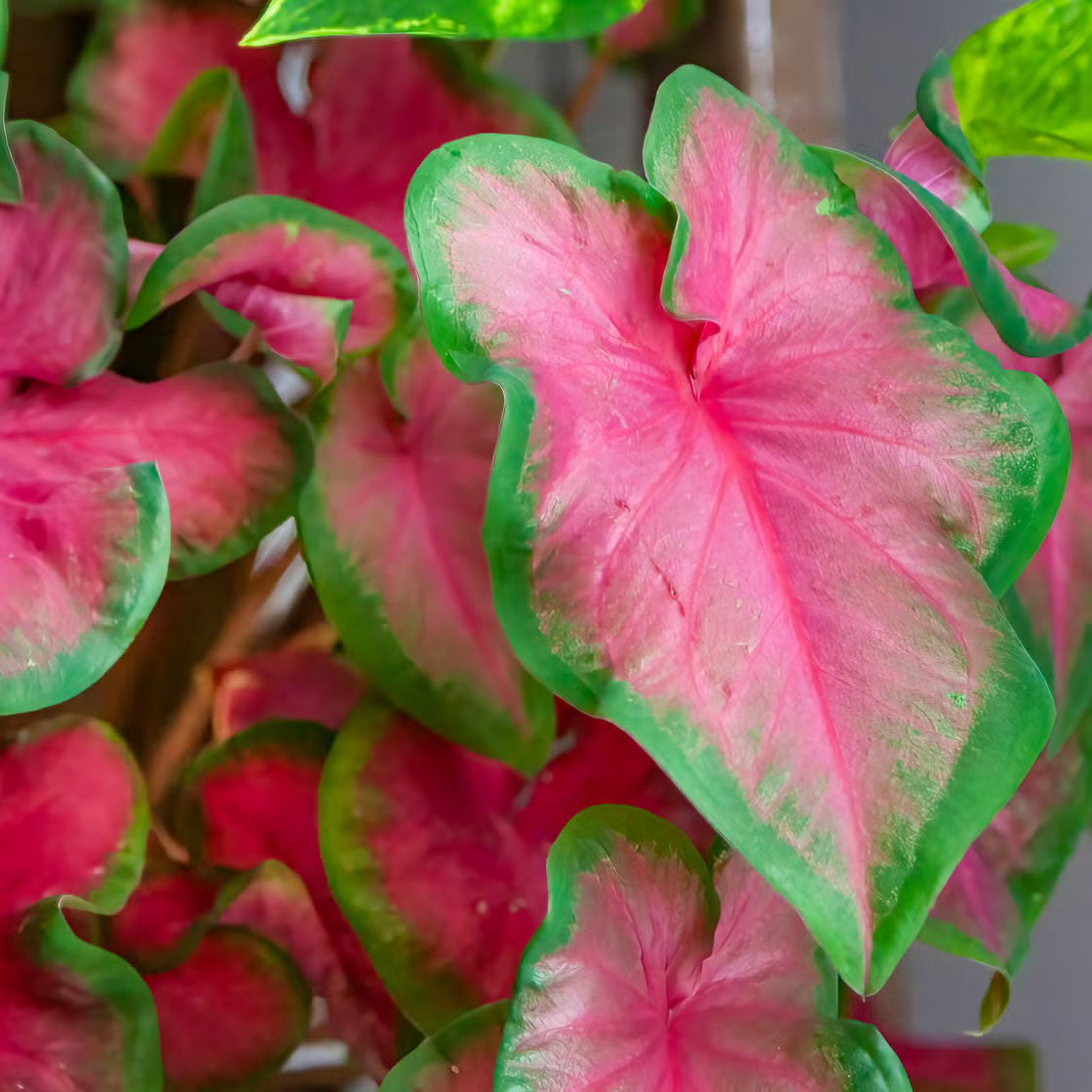
7. Caladium
Caladium offers vibrant heart-shaped leaves splashed with pink, red, green, and white.
Why it’s romantic: Its colorful foliage adds bold, passionate energy to shaded gardens.
8. Pothos
Epipremnum aureum is a hardy trailing plant with subtle heart-shaped leaves.
Why it’s romantic: Easy to care for and long-lasting—just like enduring love.
9. Morning Glory
Morning glory features heart-shaped leaves and trumpet-like blooms.
Why it’s romantic: Fast-growing vines symbolize growth and devotion.
10. Sweet Potato Vine
Ipomoea batatas has lush, heart-shaped foliage in lime green or deep purple.
Why it’s romantic: Its dramatic leaves create a flowing, soft look in containers.
11. Oxalis
Oxalis triangularis displays triangular leaves that resemble delicate hearts when open.
Why it’s romantic: Its deep purple tones add mystery and elegance.
12. Linden Tree
Linden grows classic heart-shaped leaves on graceful branches.
Why it’s romantic: Historically associated with love and loyalty in European folklore.
13. Brunnera
Brunnera macrophylla features silvery heart-shaped leaves and tiny blue flowers.
Why it’s romantic: The foliage shimmers softly, adding gentle beauty to shade gardens.
14. Redbud
Eastern redbud produces striking pink blossoms and broad heart-shaped leaves.
Why it’s romantic: The blooms appear before the leaves, creating a breathtaking spring display.
15. Alocasia
Alocasia is known for its dramatic, glossy, heart-shaped foliage.
Why it’s romantic: Its bold leaves add tropical flair and lush intensity to indoor spaces.
Creating a Romantic Garden Atmosphere
To enhance the romantic feel:
- Combine trailing plants like string of hearts with upright varieties like anthurium.
- Use soft lighting around heart-shaped foliage.
- Pair pink and red blooms for classic romantic color themes.
- Add decorative pots in warm tones.
Mix textures—matte leaves with glossy ones—to create depth and visual interest.
Indoor vs. Outdoor Romance
Many of these plants grow beautifully indoors, such as heartleaf philodendron, pothos, and hoya kerrii. Others, like bleeding heart and redbud, shine outdoors in garden beds.
If space is limited, balcony containers can combine caladium, sweet potato vine, and oxalis for a layered romantic look.
Care Tips for Healthy Growth
- Provide well-draining soil for most varieties.
- Avoid overwatering, especially with indoor plants.
- Ensure adequate light based on plant needs—some prefer bright indirect light, others thrive in shade.
- Regularly prune trailing vines to maintain shape.
Healthy plants naturally look more vibrant and romantic.
Why Heart-Shaped Plants Feel Special
Heart-shaped leaves tap into universal symbolism. They represent affection, care, warmth, and emotional connection. Growing them in your home or garden adds subtle emotional meaning to your space.
Whether you’re celebrating love, honoring friendships, or simply decorating creatively, these plants remind us that nature already carries beautiful symbols within it.
Final Thoughts
Adding heart-shaped plants to your garden or home is a simple yet meaningful way to create a romantic atmosphere naturally. From the delicate string of hearts to the bold blooms of anthurium and the graceful redbud tree, each plant offers its own expression of love.
Choose a few that match your climate and space, and let their natural charm transform your surroundings. After all, romance doesn’t always require grand gestures—sometimes, it grows quietly in the shape of a leaf.